Healthy Eating Habits for the Whole Family – Without Stress or Conflict

Healthy Eating Habits for the Whole Family – Without Stress or Conflict
Eating healthy as a family isn’t just about fruits, vegetables, and whole grains – it’s also about connection, balance, and a positive atmosphere. Many parents find that mealtimes can turn into a source of stress or conflict, especially when kids refuse to eat their veggies or insist on mac and cheese every night. But healthy eating can become a natural, enjoyable part of family life when approached with calm, structure, and a bit of creativity.
Create a Positive Mealtime Atmosphere
The mood at the table often matters more than what’s on the plate. When meals become a battleground, everyone loses their appetite. Instead, make mealtime a relaxed space where no one feels pressured.
Avoid forcing children to eat certain foods. Research shows that kids who are allowed to explore new foods at their own pace are more likely to develop varied tastes. Praise curiosity rather than “clean plates.” And remember, it can take several tries before a child learns to enjoy a new dish.
Planning Brings Peace to Busy Days
One of the biggest sources of mealtime stress is lack of planning. When it’s 6 p.m. and there’s no dinner plan, it’s easy to reach for takeout or processed foods. A simple meal plan can make a huge difference.
Plan three to five days at a time, and involve the whole family in the process. When kids get to choose between healthy options – say, tacos on Tuesday or stir-fry on Wednesday – they feel more invested. Keep pantry staples on hand, like frozen vegetables, beans, eggs, and brown rice, so you can always whip up a quick, nutritious meal.
Læs også:


Make Healthy Food Fun
Cooking doesn’t have to be a chore – it can be a fun family activity. Let kids help wash produce, stir ingredients, or set the table. When they’ve had a hand in preparing the meal, they’re often more willing to try it.
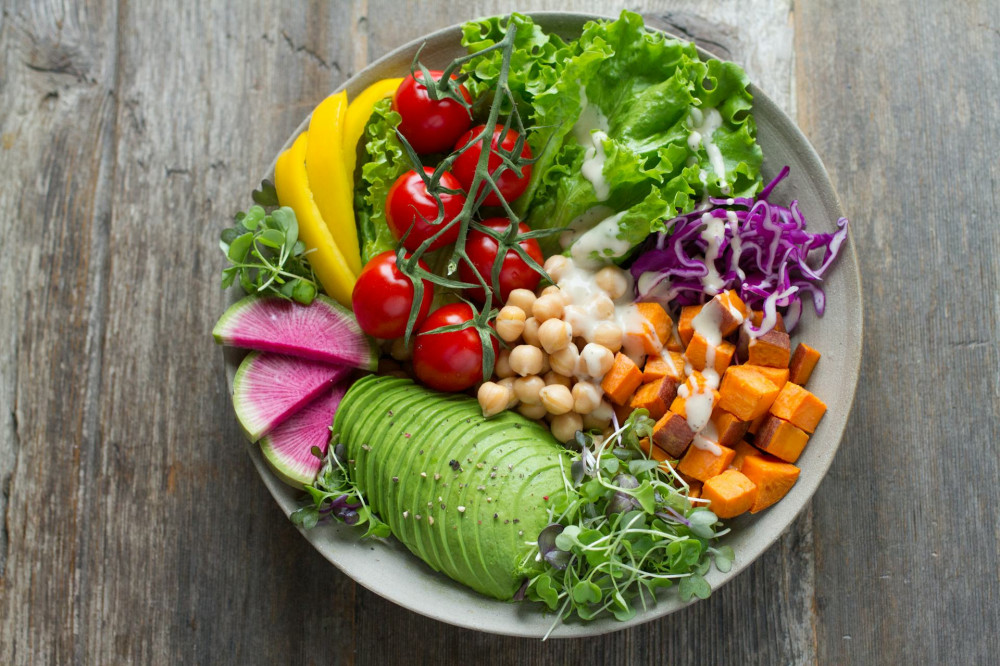
You can also make healthy food more exciting by presenting it in creative ways: veggie sticks with hummus, colorful salads, or build-your-own wraps and bowls. The goal is to make food an experience, not an obligation.
Focus on Balance, Not Restrictions
Strict food rules can backfire. Instead of banning sweets or chips, talk about how these foods fit into a balanced diet. When children learn that treats are okay in moderation, they develop a healthier relationship with food.
A good rule of thumb is the 80/20 approach: eat nourishing foods most of the time, and enjoy treats without guilt the rest of the time. This mindset encourages balance and sustainability rather than perfection.
Family Meals Strengthen Connections
Even with busy schedules, it’s worth making time for shared meals. It doesn’t have to happen every night – a few times a week can make a big difference. Turn off screens, sit together, and use the time to talk and reconnect.
Studies show that children who regularly eat with their families tend to have better eating habits and stronger emotional well-being. It’s not about having a perfect dinner – it’s about being present.
Small Steps, Big Changes
If you want to improve your family’s eating habits, start small. Swap white bread for whole grain, serve water instead of soda, or add one more vegetable to dinner. Small, consistent changes quickly become lasting habits.
Most importantly, keep food a source of joy and togetherness – not stress. When everyone feels included and heard, healthy eating becomes a natural, enjoyable part of everyday life.
Læs også: