Wild or Cultivated? The Taste of Nature’s Diversity

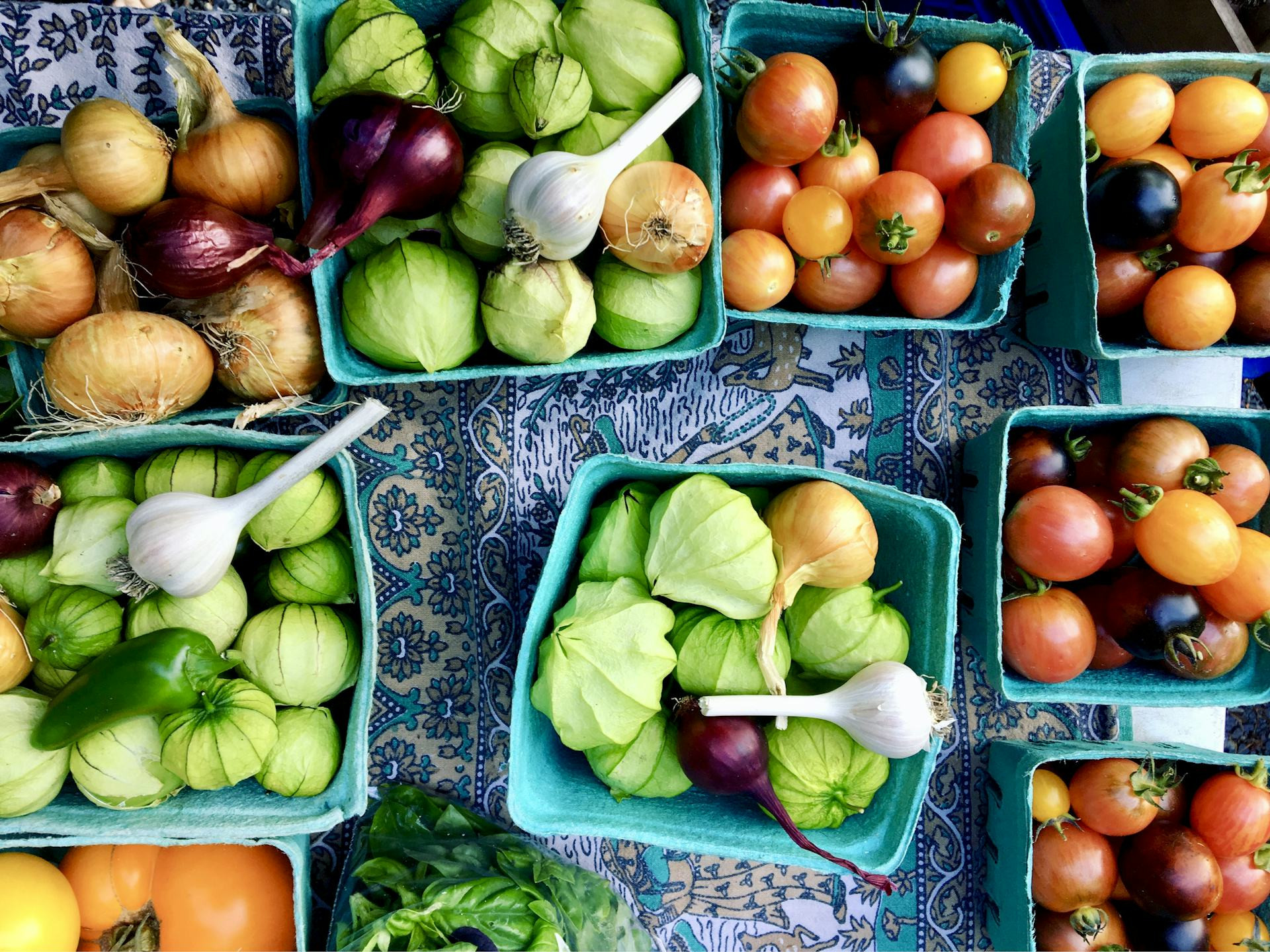
Discover how the origin of your food shapes its flavor and story
Food
Food
3 min
From forest-picked berries to carefully cultivated vegetables, the taste of what we eat reveals the interplay between nature and human touch. Explore how wild and farmed foods differ in flavor, texture, and meaning—and what that says about our connection to the natural world.
Emory Chavez
Emory
Chavez

Wild or Cultivated? The Taste of Nature’s Diversity

Discover how the origin of your food shapes its flavor and story
Food
Food
3 min
From forest-picked berries to carefully cultivated vegetables, the taste of what we eat reveals the interplay between nature and human touch. Explore how wild and farmed foods differ in flavor, texture, and meaning—and what that says about our connection to the natural world.
Emory Chavez
Emory
Chavez

When we bite into a piece of meat, a handful of berries, or a crisp vegetable, we rarely stop to think about how much the flavor can differ depending on whether it comes from the wild or from a cultivated field. Yet the contrast between wild and farmed foods tells a fascinating story about nature, climate, craftsmanship, and our relationship with what we eat.

Wild – Nature’s Unpredictable Flavor

Wild game, herbs, and berries carry the character of the landscapes they come from. A deer that has roamed free in the forest, feeding on native plants, tastes different from a calf raised on pasture feed. The flavor is often more intense, sometimes more “raw,” and it changes with the seasons.

That’s because wild animals and plants live in complex ecosystems where food sources, weather, and movement shape their growth. Hunters know that a duck from the marshes of Louisiana tastes different from one that’s spent its life on northern lakes. Foragers can tell that wild garlic gathered in shaded woods has a milder flavor than that found in sunny clearings.

Eating wild food is, in a sense, tasting the landscape itself. It requires respect for natural resources and an understanding that no two bites will ever be exactly the same—and that unpredictability is part of the appeal.

Cultivated – Nature Refined by Human Hands

Cultivated crops and farm-raised animals represent another kind of nature: one shaped by human care and tradition. Here, the focus is on consistency, quality, and sustainability. Farmers and gardeners work with soil, seed varieties, and feed to bring out the best flavor and texture.

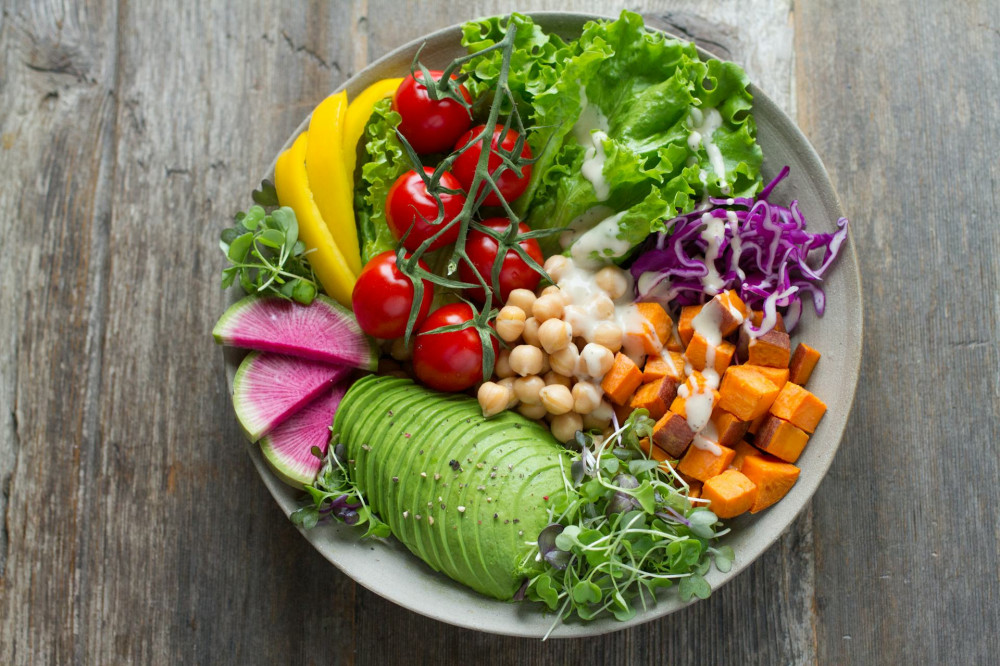
An apple from an organic orchard is the result of careful pruning, soil management, and variety selection. A vegetable grower can adjust water and nutrients to enhance sweetness or crunch. Ranchers influence the marbling and tenderness of beef through feed and grazing practices.

Cultivation allows us to enjoy reliable flavors year-round, but it also opens the door to innovation—new hybrids, heirloom revivals, and regenerative methods that bring us closer to nature’s own diversity.

Where Wild and Cultivated Meet

Across the United States, chefs, farmers, and food enthusiasts are exploring ways to blend the wild and the cultivated. Restaurants are incorporating foraged ingredients into their menus—wild mushrooms in risotto, spruce tips in cocktails, or wild berries in sauces. Meanwhile, farmers are experimenting with “wilder” crops that require fewer inputs and adapt better to changing climates, such as heritage grains, perennial vegetables, and fruit trees grown with minimal intervention.

This movement is about more than flavor. It’s about sustainability and connection. By letting nature play a larger role in food production, we can create ingredients that taste richer and have a lighter environmental footprint.

Flavor as a Story

Every flavor tells a story—of landscapes, people, and traditions. A piece of wild venison speaks of forests and migration. A cultivated tomato tells of a farmer’s care and the rhythm of the growing season. Understanding the difference between wild and cultivated foods helps us see how deeply we are woven into nature’s cycles. We are not just consumers but participants in a living system where taste becomes a bridge between culture and the natural world.

How to Explore the Difference Yourself

If you want to experience the contrast between wild and cultivated foods, start small:

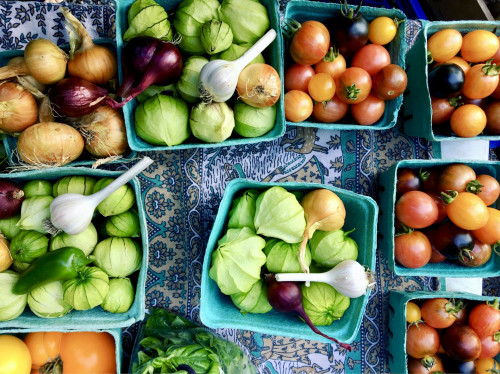
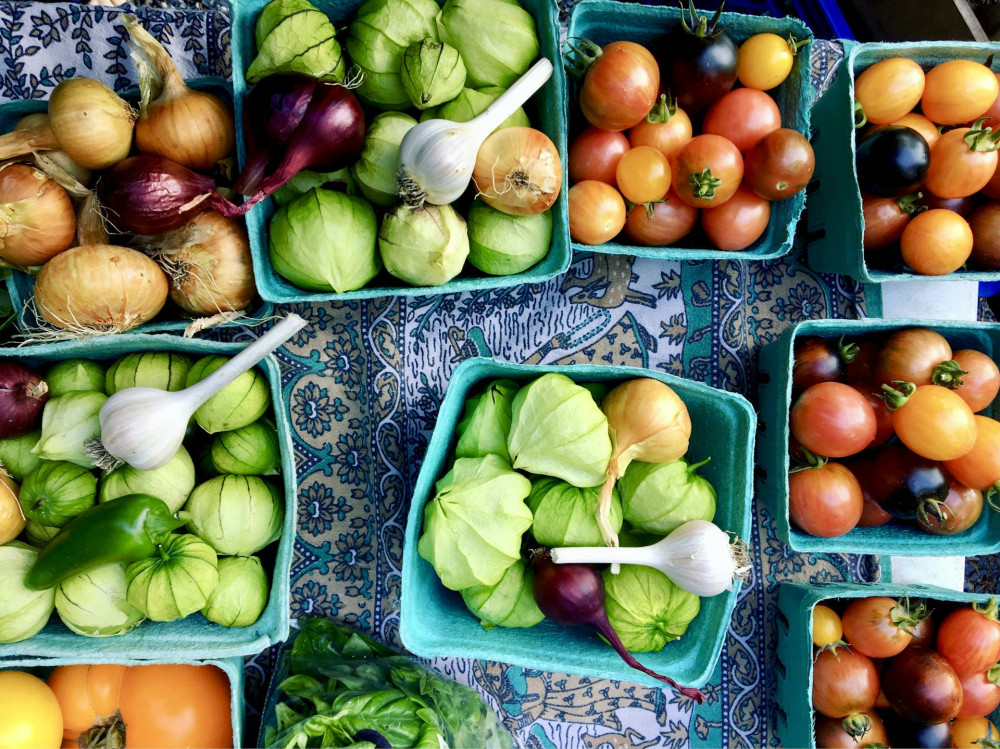
  • Visit a local farmers market or wild game supplier – talk to producers and taste what’s grown or harvested nearby.
  • Try foraging – learn to identify edible herbs, berries, and mushrooms in your region (always with proper guidance).
  • Do a taste comparison – cook wild and farmed versions of the same ingredient side by side and notice the difference.
  • Support local producers – many are working to combine natural diversity with sustainable farming practices.

In doing so, food becomes more than nourishment—it becomes a way to understand and appreciate the richness of nature itself.

Food Culture Across Regions: Local Dishes with Proud Traditions
Discover how America’s regional flavors tell stories of history, heritage, and community
Food
Food
Food Culture
Regional Cuisine
American Traditions
Local Dishes
Culinary Heritage
3 min
From coastal seafood traditions to hearty Midwestern fare and spicy Southwestern creations, explore how local dishes across the United States reflect the landscapes and cultures that shaped them. This journey through regional food culture celebrates the pride and diversity found at every table.
Saoirse Fisher
Saoirse
Fisher
Healthy Eating Habits for the Whole Family – Without Stress or Conflict
Turn family meals into moments of joy, balance, and connection
Food
Food
Healthy Eating
Family Life
Nutrition
Parenting
Wellness
4 min
Discover how to make healthy eating a natural and enjoyable part of everyday family life. With simple planning, a positive atmosphere, and a focus on balance rather than restrictions, you can reduce mealtime stress and help everyone eat well—together.
Jonah Phillips
Jonah
Phillips
Eat Like the Italians: Calm, Pleasure, and Presence at the Table
Discover the Italian art of slowing down and savoring every meal
Food
Food
Italian Lifestyle
Food Culture
Mindful Eating
Wellness
Slow Living
6 min
In Italy, eating is more than nourishment—it’s a celebration of connection, pleasure, and presence. Learn how to bring the Italian way of dining into your own life by embracing calm, conversation, and mindful enjoyment at the table.
Blake Scott
Blake
Scott
Meal Plan with a Green Focus: How to Add More Vegetables to Your Everyday Life
Discover simple ways to make vegetables the star of your everyday meals
Food
Food
Healthy Eating
Meal Planning
Vegetables
Nutrition
Sustainable Living
2 min
Want to eat healthier without overhauling your entire diet? Learn how a meal plan with a green focus can help you add more vegetables to your daily routine. From smart planning to seasonal choices, these tips make it easy to enjoy a more colorful, plant-rich plate.
Violet Hernandez
Violet
Hernandez
Leftovers from the party? How to clean up and make the most of your food
Turn post-party chaos into delicious opportunities
Catering
Catering
Leftovers
Food Waste
Party Planning
Cooking Tips
Sustainability
5 min
Don’t let the leftovers from your celebration go to waste. Learn how to clean up efficiently, store food safely, and transform extra dishes into new meals that save both time and money.
Emory Chavez
Emory
Chavez
Catering Planning: How to Ensure a Successful Event Step by Step
Make every bite and moment count with smart catering preparation
Catering
Catering
Event Planning
Catering
Food Service
Party Ideas
Event Management
5 min
From intimate gatherings to large celebrations, successful catering depends on thoughtful planning and coordination. Discover how to organize your menu, timing, and logistics step by step to create a seamless dining experience your guests will remember.
Saoirse Fisher
Saoirse
Fisher
Seafood on the Buffet – How to Create a Fresh and Exclusive Atmosphere
Transform your event with a seafood buffet that radiates freshness and elegance
Catering
Catering
Seafood
Buffet
Event Planning
Entertaining
Food Presentation
3 min
Discover how to design a seafood buffet that delights the senses and impresses your guests. From selecting the freshest ingredients to creating a refined presentation, learn how to bring a touch of ocean-inspired luxury to any celebration.
Jonah Phillips
Jonah
Phillips