Meal Plan with a Green Focus: How to Add More Vegetables to Your Everyday Life

Meal Plan with a Green Focus: How to Add More Vegetables to Your Everyday Life
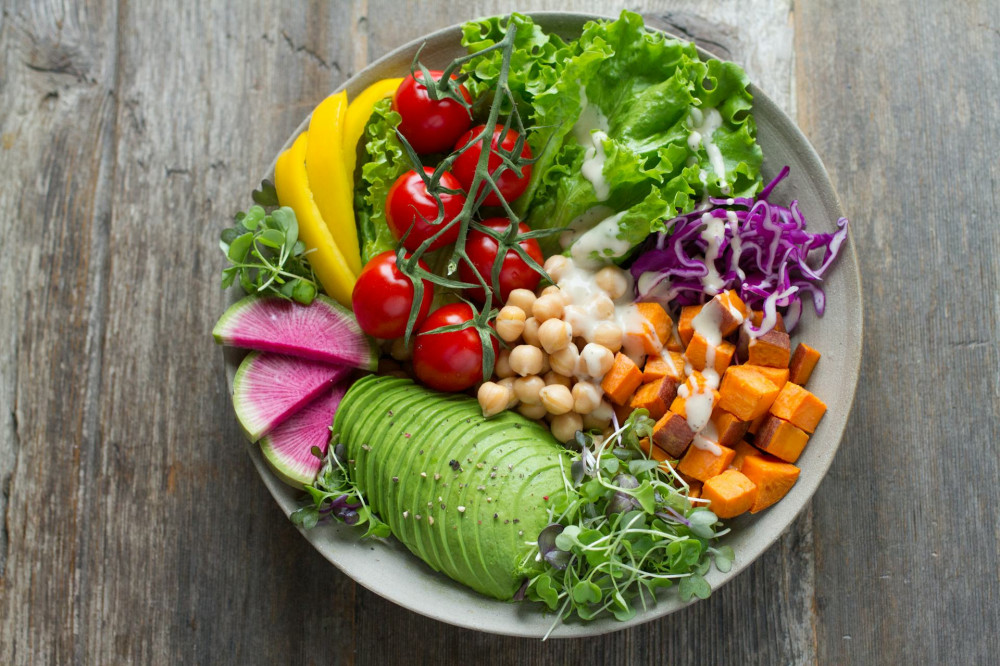
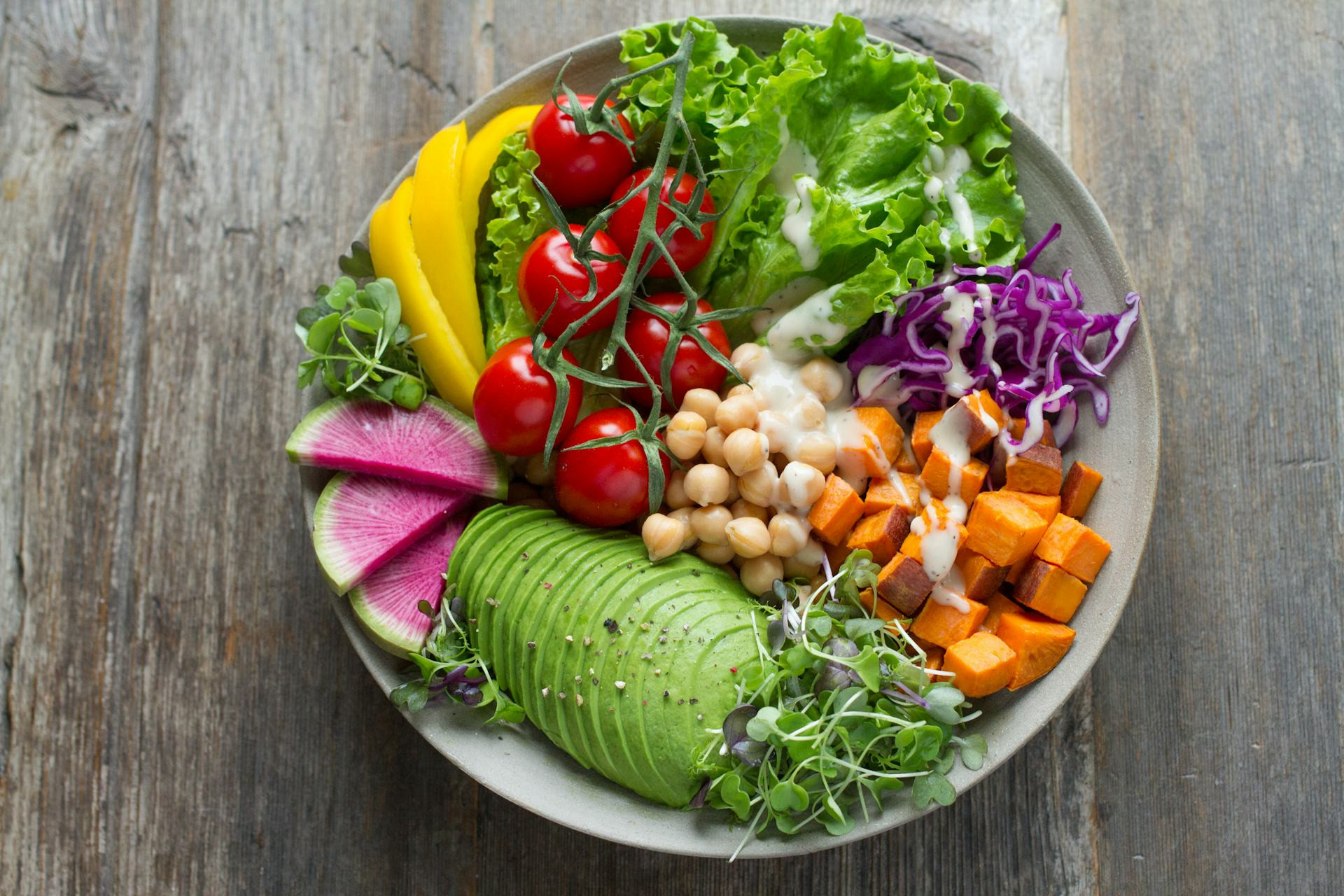
Vegetables aren’t just good for you – they’re colorful, versatile, and can transform any meal into something fresh and exciting. Still, getting enough of them every day can be a challenge, especially when busy schedules and old habits take over. A meal plan with a green focus can help you change that. Here’s how to bring more vegetables into your daily routine – in a way that feels easy, satisfying, and sustainable.
Start with Planning
A greener meal plan begins long before you start cooking. When planning your weekly meals, think of vegetables as the main attraction rather than a side dish. Ask yourself: What’s in season right now, and how can I use those ingredients in new ways?
Make a list of your favorite vegetables and look for recipes where they take center stage. Think roasted root vegetables, veggie-packed pasta dishes, stir-fries, or hearty salads with beans, lentils, or quinoa. Planning ahead makes grocery shopping easier and helps you avoid last-minute takeout or less healthy choices.
Make Vegetables Easy to Grab
One of the biggest barriers to eating more vegetables is preparation time. Make it simple by washing, chopping, and storing your veggies in advance. Slice carrots, bell peppers, and cucumbers into sticks for quick snacks or lunchbox additions.
You can also roast a big batch of vegetables on Sunday and use them throughout the week – in grain bowls, wraps, or as sides for dinner. The easier it is to reach for vegetables, the more likely you’ll eat them.
Think Green at Every Meal
Adding vegetables isn’t just for dinner. Try to include them in every meal of the day:
- Breakfast: Add spinach or zucchini to your omelet, or blend a smoothie with kale and avocado.
- Lunch: Replace half the meat in your sandwich or wrap with roasted veggies like eggplant, beets, or peppers.
- Dinner: Use vegetables as the base – try cauliflower rice, lentil pasta, or spiralized zucchini instead of traditional carbs.
- Snacks: Pair veggie sticks with hummus or bake crispy kale chips for a crunchy treat.
Small changes at every meal can add up to a big difference in your health and energy levels.
Eat with the Seasons
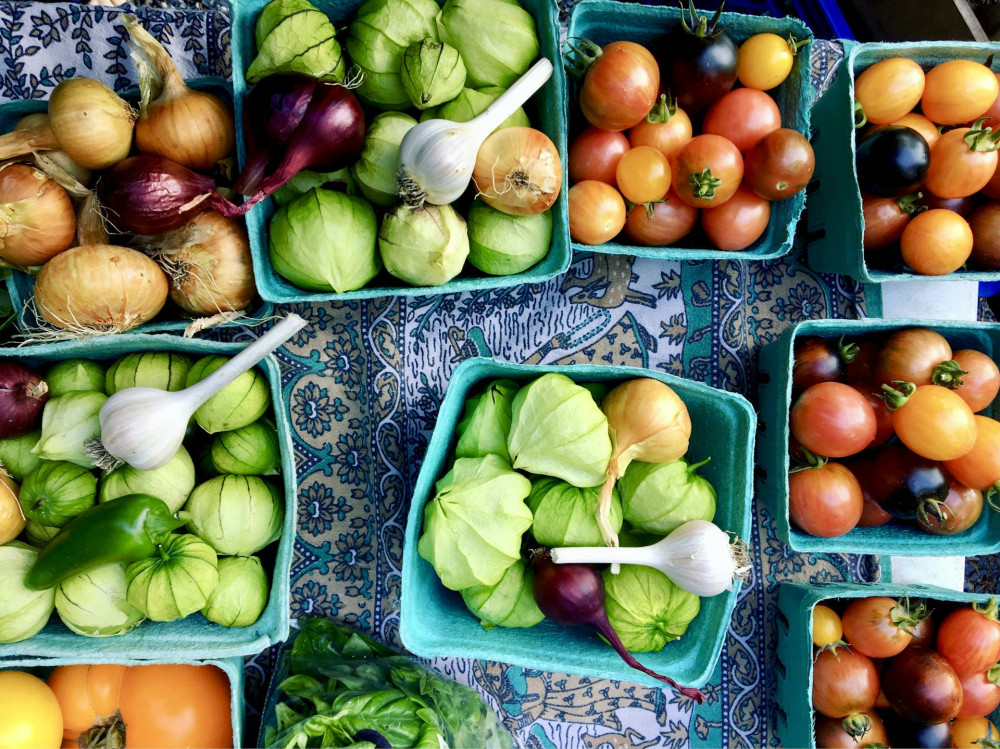
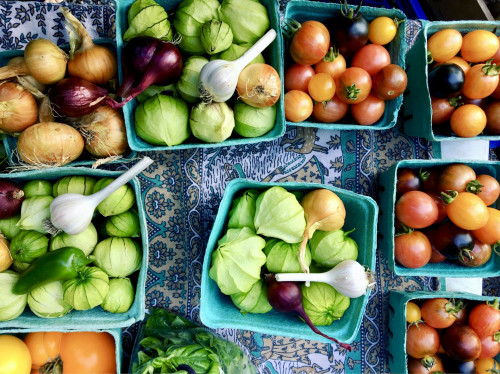
Eating seasonally is good for both your wallet and the planet. Seasonal vegetables taste better, cost less, and often have a smaller environmental footprint. In summer, enjoy fresh tomatoes, corn, and zucchini; in fall, turn to squash, sweet potatoes, and hearty greens.
Check your local farmers market or grocery store for what’s in season – it’s a great way to keep your meals interesting and support local growers.
Læs også:


Keep It Simple and Realistic
A green-focused meal plan should fit your lifestyle. If you’re short on time, choose quick recipes or prep ingredients in advance. Frozen vegetables are a great option too – they’re just as nutritious as fresh ones and can go straight from freezer to pan.
You don’t have to give up meat entirely. Start with one or two meatless days a week and build from there. The goal isn’t perfection – it’s creating habits that last.
Make Vegetables Exciting
Vegetables don’t have to be boring. Experiment with spices, sauces, and cooking methods. Try roasting cauliflower with curry powder, grilling eggplant with garlic and lemon, or making a creamy soup with roasted tomatoes.
When you discover flavor combinations you love, vegetables become something you look forward to – not something you feel you “should” eat.
A Greener Life, One Step at a Time
Eating more vegetables isn’t about changing everything overnight. It’s about taking small, consistent steps toward a healthier, more sustainable lifestyle. With a thoughtful meal plan, a bit of prep, and an open mind in the kitchen, you can make vegetables a natural and delicious part of your everyday life.
It’s good for your body, good for the planet, and might just make you fall in love with cooking all over again.
Læs også: