Lunch and Meeting in One: How to Make the Office Lunch a Social Experience


Lunch and Meeting in One: How to Make the Office Lunch a Social Experience
In many American workplaces, lunch is a daily ritual that often goes unnoticed. It’s a break in the middle of the day, a chance to refuel before diving back into work. But lunch can be much more than that—it can be a space for connection, creativity, and collaboration. When approached intentionally, the office lunch can strengthen team spirit, improve communication, and even spark new ideas. Here’s how to turn your lunch break into a social experience that benefits both people and productivity.
Lunch as a Shared Pause
In a fast-paced workday, it’s easy for lunch to become a quick bite at your desk while answering emails. Yet, taking a real break is essential for focus and well-being. When colleagues eat together, conversations flow more naturally than they do in formal meetings. It’s during these relaxed moments that people get to know each other beyond job titles and departments—and where small ideas can grow into big initiatives.
Creating a culture that values lunch as a shared pause takes intention. It’s not about forcing social interaction, but about setting up an environment that invites it.
Create Spaces That Encourage Conversation
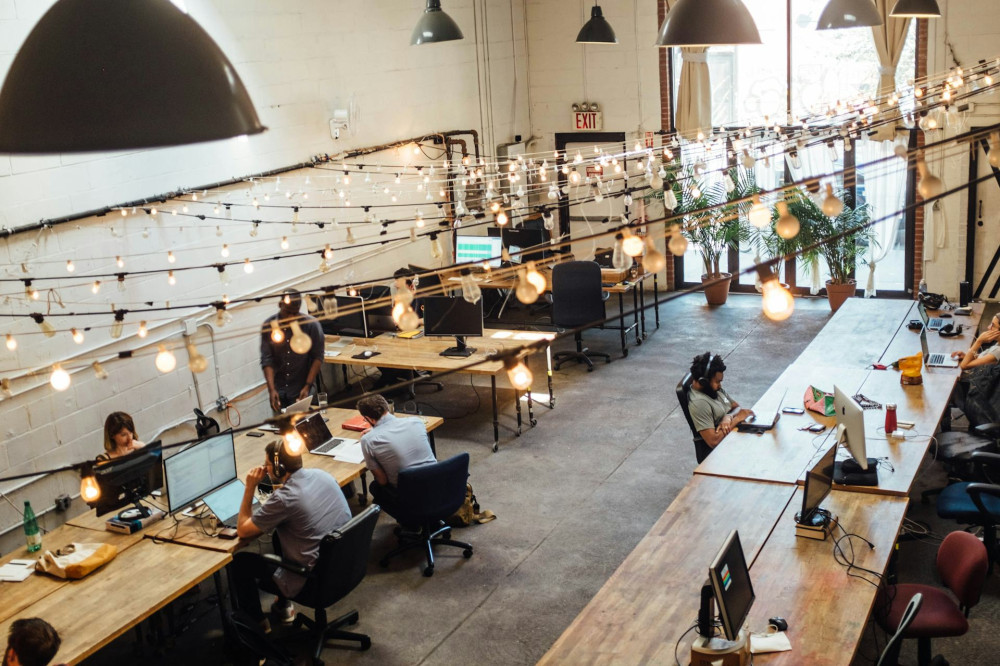
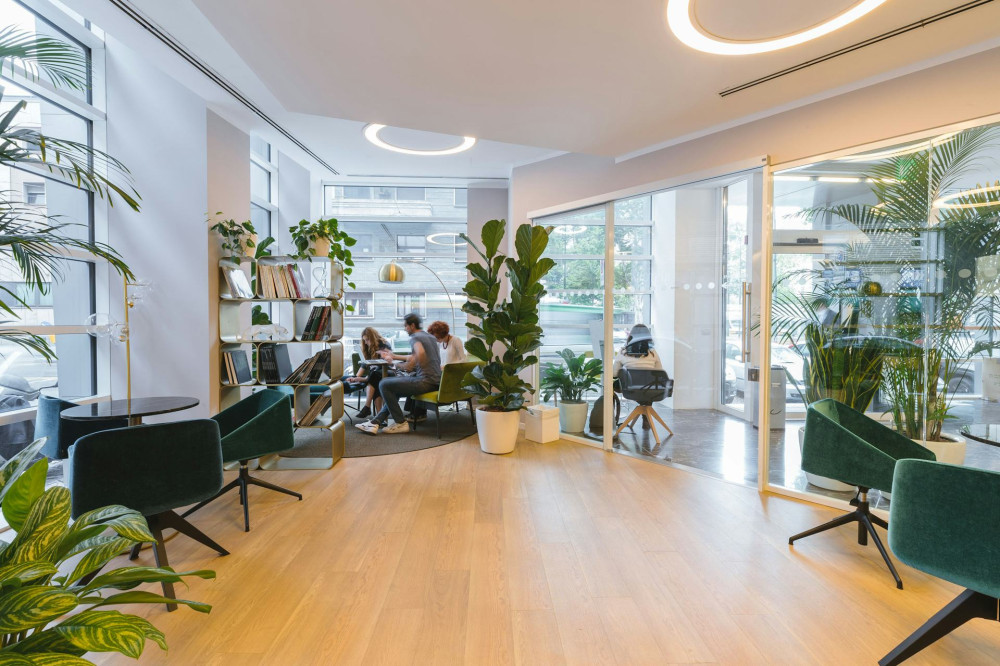
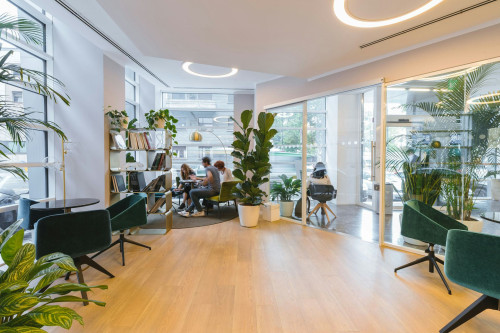
The physical setup of your lunch area matters more than you might think. Long rows of tables can make it hard to talk, while smaller or round tables encourage dialogue. Consider mixing up seating arrangements so people don’t always sit with the same group. This helps build connections across teams and levels.
You can also introduce themed lunches to keep things fresh—like “Taco Tuesday,” “International Flavors Week,” or “Meatless Monday.” Themes not only add variety to the menu but also give people something fun to talk about.
Læs også:

Lunch as an Informal Meeting
Some of the best conversations between managers and employees happen over lunch. The atmosphere is more relaxed, making it easier to discuss ideas, challenges, or new projects without the pressure of a formal meeting.
That doesn’t mean lunch should turn into another meeting on the calendar—but it can serve as an informal space for knowledge sharing. For example, different teams could take turns giving a short, casual update on what they’re working on. It’s a simple way to build understanding and collaboration across the organization.
Involve Employees in the Lunch Culture
A social lunch experience works best when employees have a say in it. Ask for input on what kind of lunch setup people prefer—both in terms of food and atmosphere. Maybe there’s interest in a monthly “team potluck,” a rotating “Friday lunch club,” or even a shared recipe board where coworkers post their favorite dishes.
When employees feel ownership over the lunch experience, it becomes more than just a meal—it becomes part of the company’s community.
Food as a Reflection of Well-Being and Values
Food is more than fuel—it’s culture, identity, and care. A thoughtful lunch program sends a message that the company values its people. It can also reflect broader values like sustainability, health, or local support.
Consider partnering with local caterers or restaurants that use seasonal ingredients or offer plant-based options. Not only does this make the food taste better, but it also gives employees a story to connect with—something that reflects the company’s character and priorities.
Make Lunch Part of the Company DNA
When lunch becomes part of the company culture, it can strengthen relationships and create a more human workplace. It doesn’t require big budgets—just a conscious effort to see lunch as more than a break.
A great office lunch is ultimately about more than food. It’s about creating a space where people meet, talk, and feel part of something bigger. And that’s where the best ideas—and the happiest teams—are born.
Læs også: