Wine and the Senses: A Journey Through Aroma, Taste, and Experience

Wine and the Senses: A Journey Through Aroma, Taste, and Experience
Drinking wine is far more than simply enjoying a beverage – it’s a sensory experience where aroma, taste, sight, and even sound come together. Every bottle tells a story of soil, climate, and craftsmanship, and when we taste, all our senses awaken. In this article, we’ll take you on a journey through the sensory world of wine – from the first whiff to the lingering finish.
The Magic of Aroma – Wine’s First Impression
The experience begins the moment you pour wine into your glass. Before you even take a sip, the aroma – or bouquet – reveals the wine’s character and complexity. Our sense of smell can detect thousands of scents, and in the world of wine, we often describe them as fruity, floral, spicy, or earthy.
A young Sauvignon Blanc might offer notes of citrus and green apple, while an aged Cabernet Sauvignon can reveal aromas of dark berries, tobacco, or leather. These aren’t added fragrances but natural compounds formed during fermentation and aging. Taking time to smell the wine isn’t just a ritual – it’s a way to understand its essence.
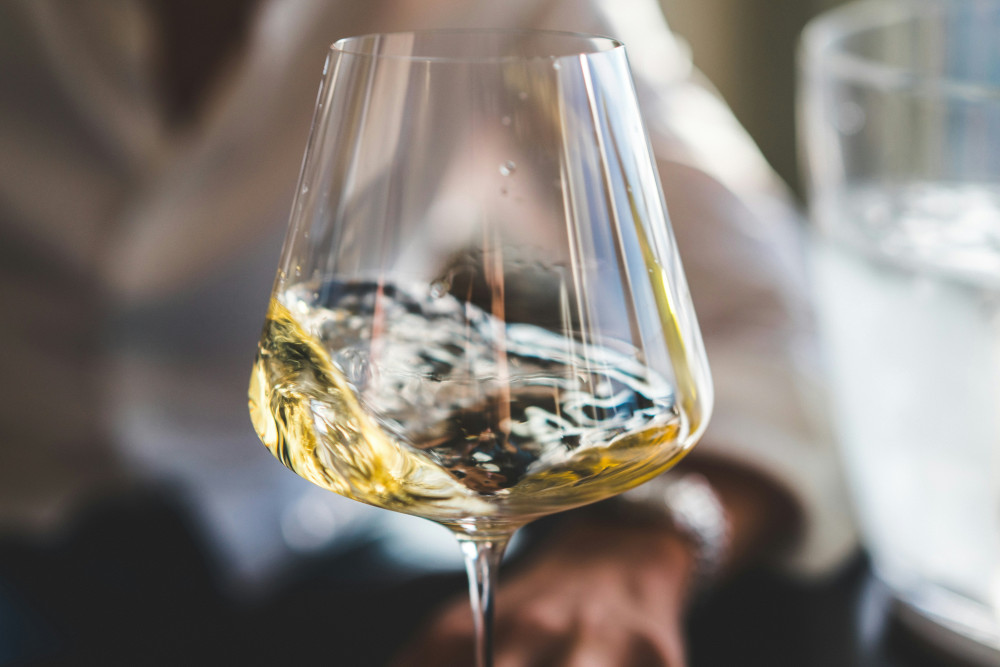
A simple tip: gently swirl the wine in your glass. This releases the aromas and helps you detect the different layers of scent. Try describing what you sense – not to find the “right” answer, but to train your nose and deepen your personal experience.
Læs også:
Taste – The Balance of Sweetness, Acidity, Bitterness, and Body
When the wine touches your tongue, you encounter its structure. Taste is not only about identifying flavors but also about how the elements interact. A well-made wine has balance – between sweetness and acidity, fruit and tannin, freshness and body.
- Sweetness comes from residual sugar and can range from bone-dry to lusciously sweet dessert wines.
- Acidity brings brightness and life, especially in white and sparkling wines.
- Tannins, found mainly in red wines, create a slight drying sensation on the palate.
- Body describes how heavy or light the wine feels – from crisp and delicate to rich and full.
When tasting, let the wine linger in your mouth for a moment. Move it around and notice how the flavors evolve. You’ll often discover new nuances as the wine opens up with air and temperature.
Sight – The Story Told by Color
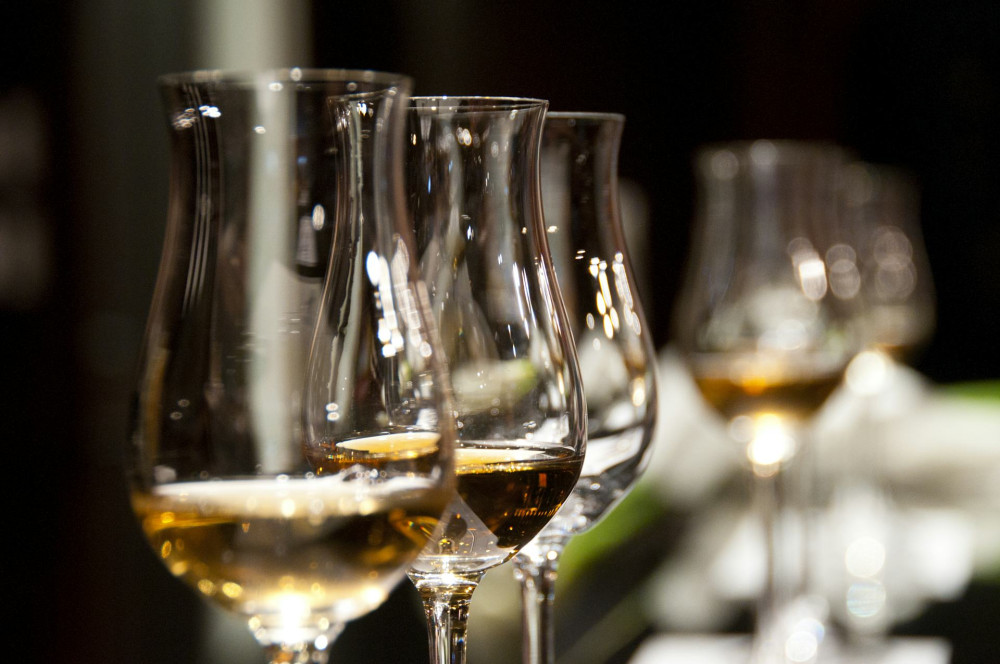
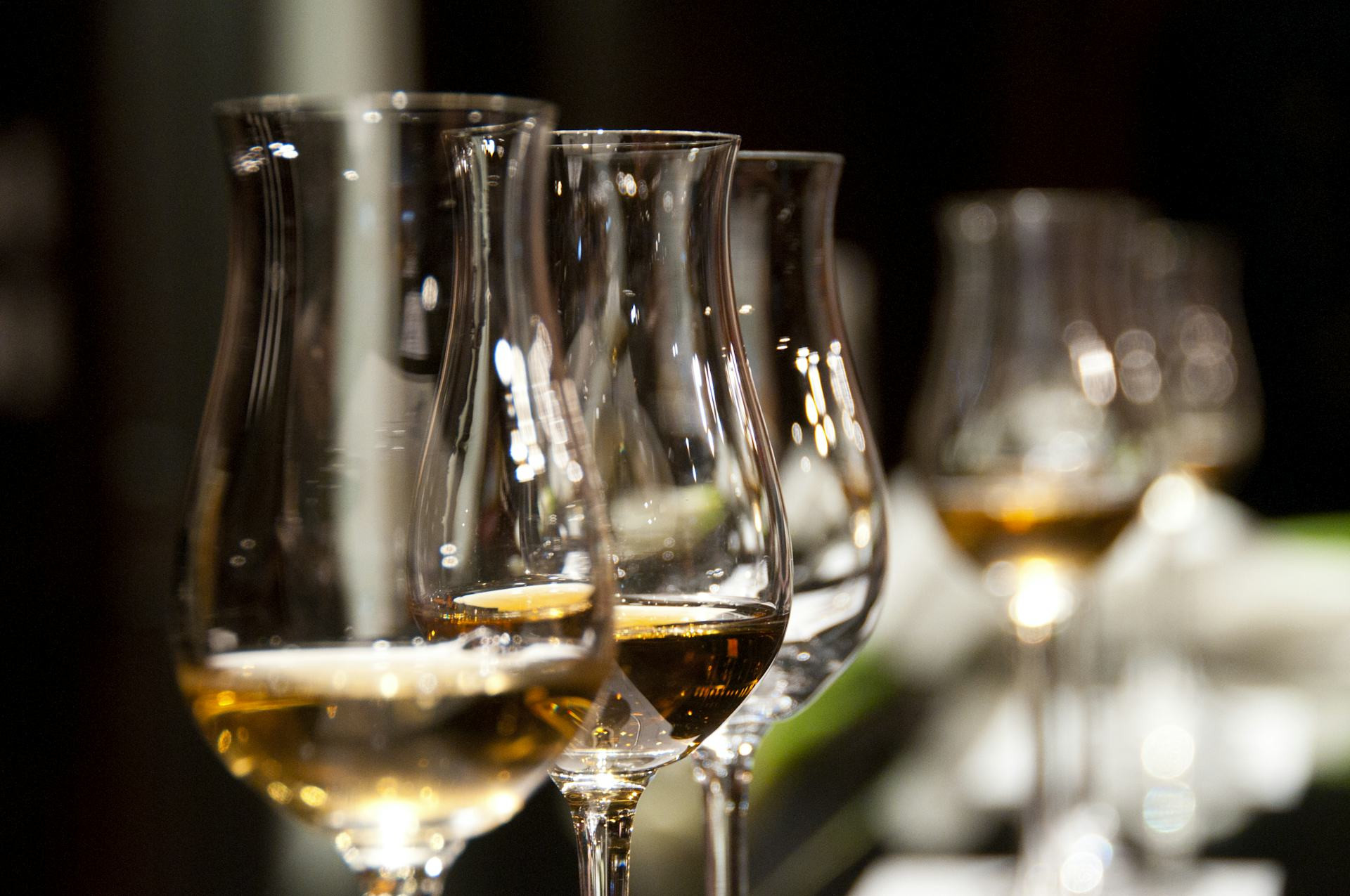
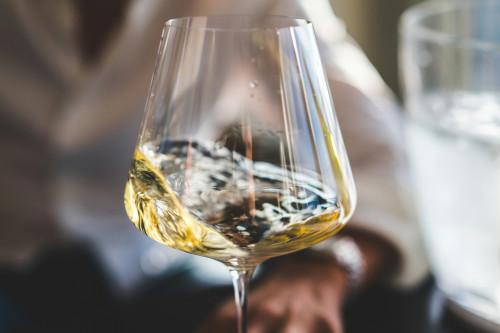
A wine’s color can reveal much about its age, grape variety, and style. A young white wine often has a pale, greenish hue, while an older one may turn golden or amber. Red wines shift from deep purple or ruby in youth to brick-red or brownish tones with age.
Hold your glass up to the light and observe the color’s intensity and clarity. A cloudy wine isn’t necessarily flawed – natural or unfiltered wines often have a hazier appearance – but color can give you clues about what to expect in taste and texture.
Sound and Setting – The Overlooked Sense
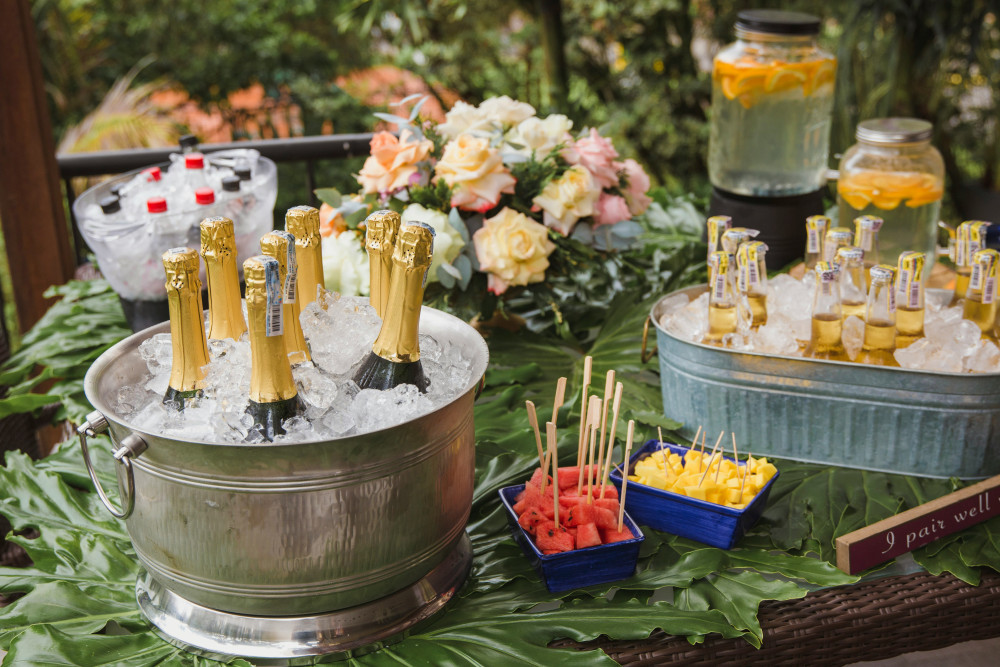
Though wine is most often associated with smell and taste, sound and atmosphere also shape the experience. The pop of a cork, the gentle fizz of sparkling wine, or the clink of glasses can heighten anticipation. Music, conversation, and surroundings influence how we perceive flavor. A wine that tastes perfect on a sunny patio might feel different in a quiet room.
That’s why wine enjoyment isn’t just about the liquid itself but also about context. Creating the right setting – lighting, temperature, company – can transform an ordinary bottle into a memorable moment.
The Experience as a Whole – Tasting with Curiosity
Understanding wine isn’t about memorizing grape varieties or regions; it’s about curiosity. Every wine tells a story, and every tasting is a chance to discover something new. Try tasting the same wine over several days, or compare two wines from the same region – you’ll be surprised by how much your senses can perceive when given time.
The world of wine is endless, and that’s what makes it so captivating. The more you smell, taste, and reflect, the more you learn – not only about wine, but about your own senses.
Læs også: