New Food Trends: When Local Flavors Meet Global Influences

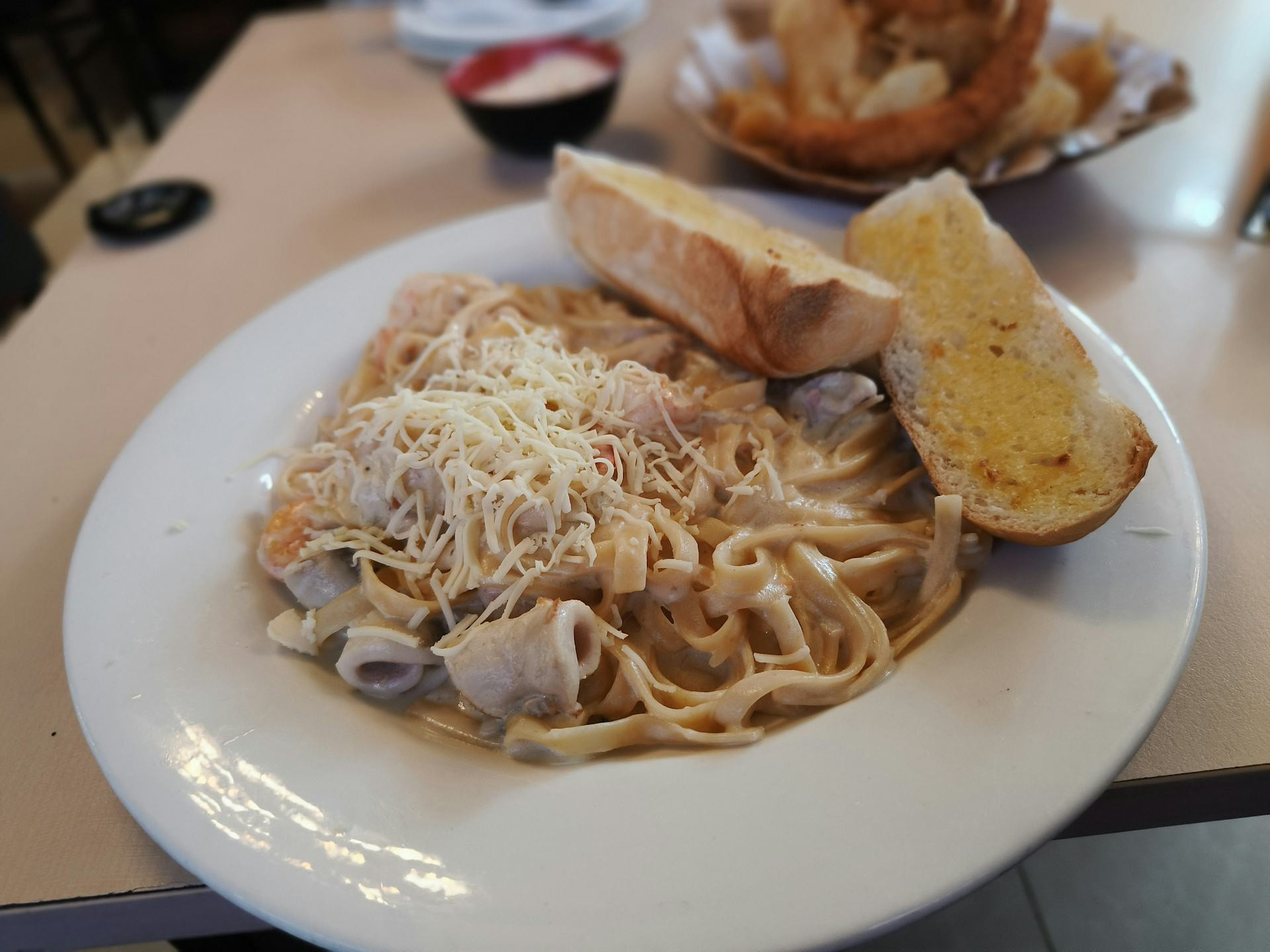
New Food Trends: When Local Flavors Meet Global Influences
In recent years, the American food scene has entered a new era—one where the boundaries between local and global are becoming increasingly blurred. From bustling city restaurants to small-town farmers’ markets, chefs and home cooks alike are blending regional ingredients with international techniques. The result is a wave of culinary creativity that celebrates both local identity and global curiosity.
Local Ingredients, Global Inspiration
One of the most striking trends is the way local ingredients are being reimagined through a global lens. Instead of importing exotic products, many chefs are asking: How can we make something new with what we already have?
- Southern kimchi – collard greens and mustard greens fermented with Korean spices, creating a tangy, spicy side that bridges two food traditions.
- Midwestern tacos – corn tortillas filled with locally raised bison or sweet corn, topped with house-made salsas inspired by Mexican street food.
- Pacific Northwest ramen – noodles in a broth made from local mushrooms and seaweed, highlighting the region’s rich natural bounty.
This approach isn’t about imitation—it’s about transformation. It’s about letting global ideas spark new ways to express local flavor.
Sustainability as a Shared Language
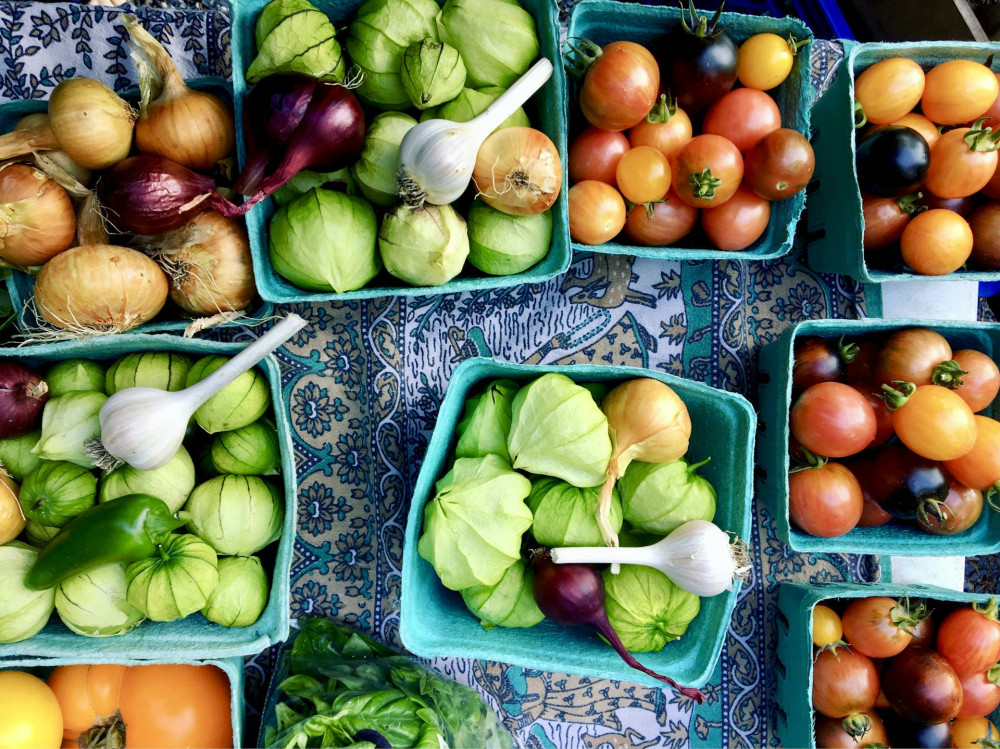
Sustainability has become a cornerstone of modern American dining. Consumers want transparency, and restaurants are responding with menus that emphasize seasonality, minimal waste, and local partnerships.
Across the country, chefs are collaborating with farmers, fishers, and foragers to shorten supply chains and elevate ingredient quality. At the same time, plant-based cooking continues to grow, often drawing inspiration from global cuisines that have long celebrated vegetables as the star of the plate—think Mediterranean mezze, Indian dals, or Japanese vegetable tempura.
The sustainable kitchen is global in its inspiration but deeply local in its execution.
Tradition Reimagined
Many American chefs are rediscovering regional traditions and giving them a modern twist. Dishes once considered old-fashioned are being revived with new techniques and fresh perspectives.
Take modern Appalachian cooking, where heirloom beans, cornbread, and pickled vegetables are reinterpreted with fine-dining finesse. Or New England comfort food, where clam chowder might be lightened with coconut milk and lemongrass, blending coastal heritage with Southeast Asian flair. These dishes honor the past while speaking the language of today’s diverse and connected food culture.
Læs også:

Global Influence in Everyday Cooking
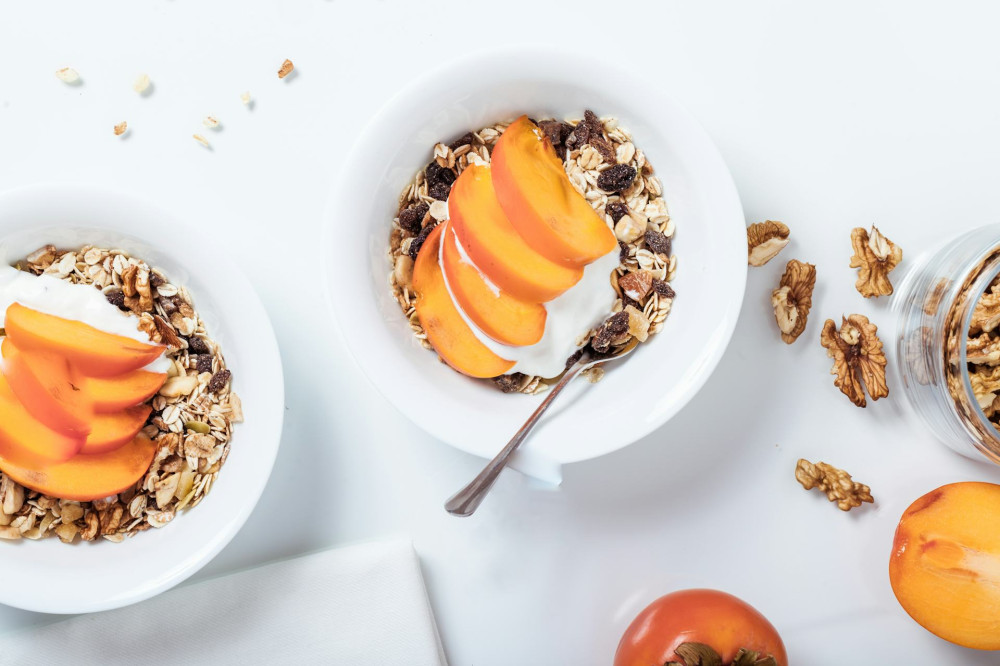
The fusion of local and global isn’t limited to restaurants—it’s happening in home kitchens across the country. Social media, cooking shows, and online communities have made it easier than ever to experiment with new flavors. Home cooks are mixing Cajun spices with Japanese miso, or topping their morning oatmeal with tahini and roasted fruit.
This playful approach reflects a broader shift in how Americans think about food: we want meals that are healthy, sustainable, and exciting. Cooking has become a form of cultural exploration—one that starts right at home.
The Future of American Cuisine: Rooted and Open
Looking ahead, one thing is clear: the future of American cuisine will be both locally grounded and globally inspired. It’s about taking the best of both worlds—the pride in regional ingredients and the openness to new ideas.
Food has always been a reflection of who we are and where we come from. Today, it’s also a way to connect with the wider world—one plate, one flavor, one shared meal at a time.
Læs også: