When Drinks Complete the Meal: The Art of Creating Balance in the Dining Experience

When Drinks Complete the Meal: The Art of Creating Balance in the Dining Experience
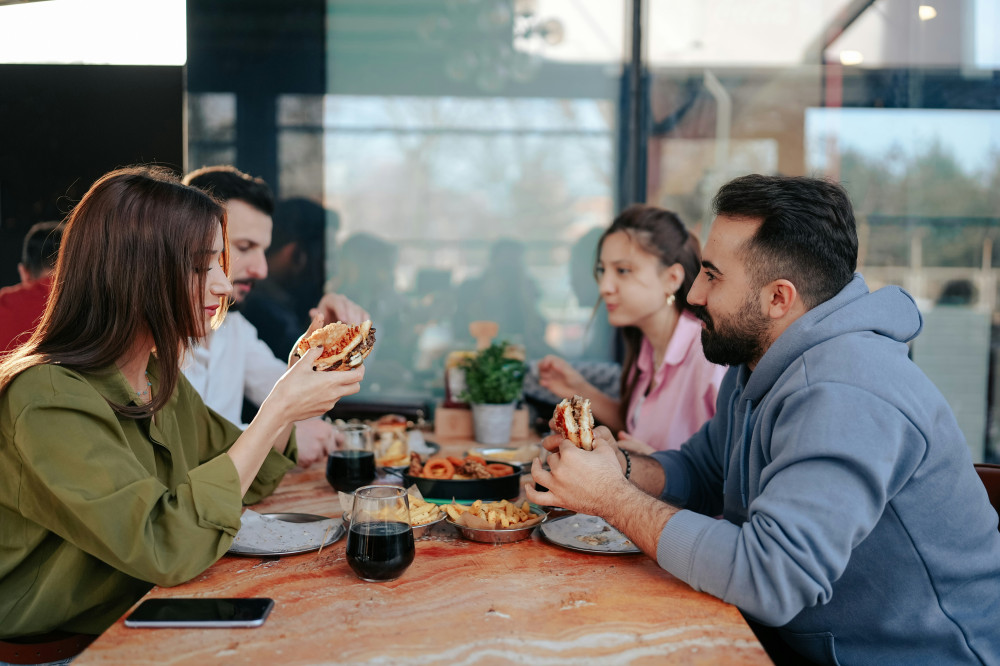
A memorable meal is never just about what’s on the plate. It’s about the harmony of flavors, aromas, and textures that come together to create an experience. Drinks play a far greater role in that harmony than many realize. The right beverage can elevate a dish, balance it, or highlight its subtleties—but the wrong one can easily overpower it. The art lies in finding that perfect balance between what’s in the glass and what’s on the fork.
Flavor as a Partnership, Not a Competition
Creating balance in a dining experience means allowing every element to shine without one dominating the other. A bold Cabernet Sauvignon might be perfect with a juicy steak, but it would drown out the delicate flavors of a grilled sea bass. On the other hand, a crisp white wine or a light craft beer can bring brightness and lift to a rich or heavy dish.
Think of pairing in three main ways:
- Complement the flavor – Choose a drink that matches the dish’s character, such as a full-bodied wine with a creamy sauce.
- Create contrast – Use acidity, carbonation, or bitterness to cleanse the palate and add freshness.
- Highlight a nuance – Let the drink emphasize a particular note, like fruitiness, smokiness, or spice.
There are no strict rules—only an understanding of how flavors interact and enhance one another.
Beyond Wine: A Broader Palette
Wine has long been the star of food pairings, but today’s dining culture embraces a much wider range of beverages. Craft beer, cider, kombucha, tea, and alcohol-free options can all be just as refined—and often more adventurous.
- Wine: Consider acidity, sweetness, and tannins. A wine with bright acidity cuts through rich dishes, while a touch of sweetness can balance spicy food.
- Beer: Bitterness and bubbles make beer a natural partner for fried or spicy dishes. A dark stout adds depth to braised meats, while a crisp lager refreshes lighter fare.
- Cider and kombucha: Their gentle fizz and fruity notes pair beautifully with salads, seafood, and vegetarian dishes.
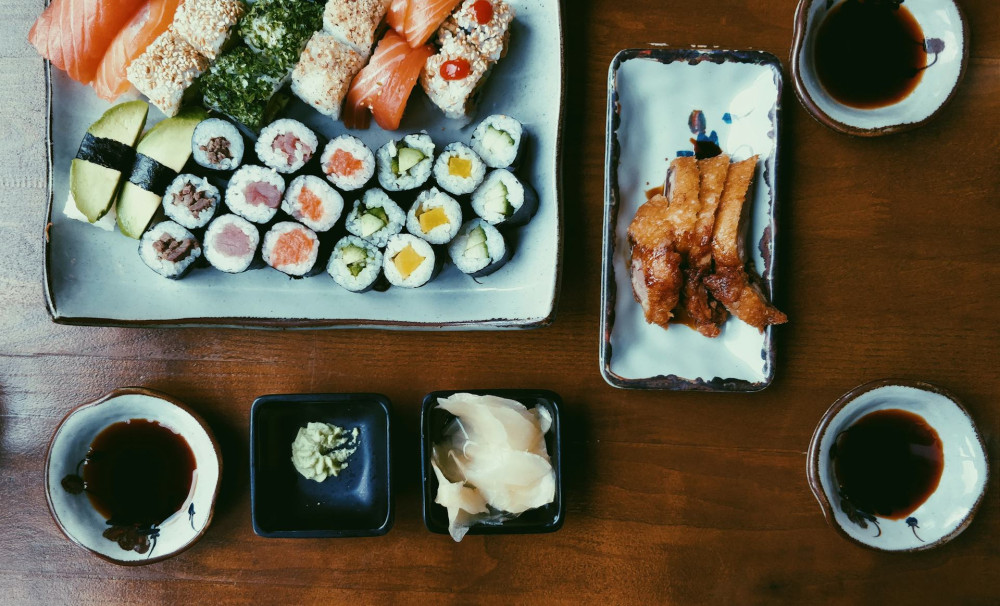
- Tea and coffee: Green tea can be a graceful match for sushi or light appetizers, while a dark-roasted coffee can round off dessert with warmth and balance.
The key is curiosity—experiment, taste, and trust your senses.
The Rise of the Alcohol-Free Experience
More Americans are choosing to drink less alcohol, but that doesn’t mean sacrificing flavor or sophistication. The growing world of alcohol-free beverages offers complexity and creativity in equal measure.
Non-alcoholic wines and beers have improved dramatically, but homemade infusions, fermented drinks, and mocktails can be just as exciting. A tart, cold-pressed apple juice can stand in for white wine, while a spiced ginger drink can bring heat and depth to winter dishes.
The goal is to treat the drink as part of the meal—not as a compromise.
Læs også:

Temperature, Texture, and Timing
Even the best drink can lose its magic if served incorrectly. Temperature matters: a wine that’s too cold loses aroma, while a beer that’s too warm feels heavy. Texture also plays a role—carbonation can lighten a rich dish, while a smooth, velvety drink can soften sharp or spicy flavors.
Timing is equally important. An aperitif awakens the palate, while a dessert drink brings closure. Pairing beverages across a meal is like composing music: the rhythm and transitions should feel natural and satisfying.
When the Experience Comes Together
When food and drink truly complement each other, something special happens. The flavors merge, and the experience becomes greater than the sum of its parts. You don’t need to be a sommelier or a mixologist to achieve that—just a willingness to explore and a sense of curiosity.
So next time you plan a meal, think about the drinks from the start. What role should they play? Should they lift, balance, or surprise? Once you find that answer, you’ve taken the first step toward mastering the art of creating balance in the dining experience.
Læs også: