Sort It Right: How to Dispose of Takeout Packaging Properly at Home

Sort It Right: How to Dispose of Takeout Packaging Properly at Home
Takeout has become a staple in many Americans’ busy lives. It’s convenient, quick, and often a treat after a long day. But with every meal comes a pile of containers, lids, and utensils that need to be dealt with responsibly. Sorting your takeout packaging correctly helps keep recyclables out of landfills and ensures that valuable materials can be reused. Here’s a simple guide to help you dispose of your takeout packaging the right way—step by step.
Empty and Rinse First
Before tossing anything in the bin, make sure to empty and lightly rinse your containers. Food residue can contaminate entire batches of recyclables, making them unusable.
- Plastic containers and lids should be mostly clean before going into the recycling bin.
- Paper or cardboard packaging that’s greasy or soaked with food should go in the trash, not recycling.
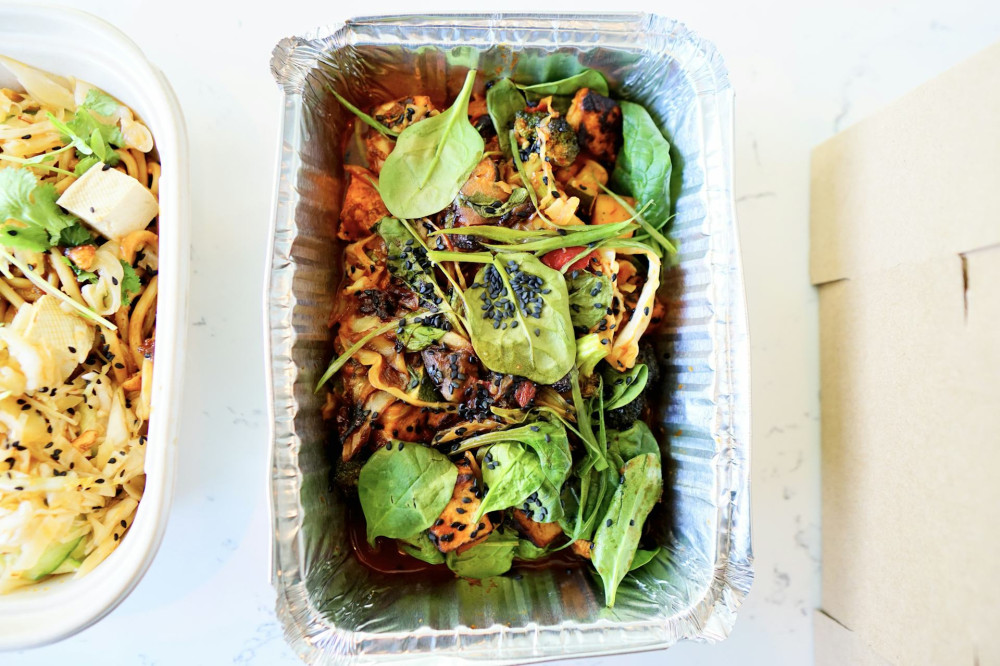
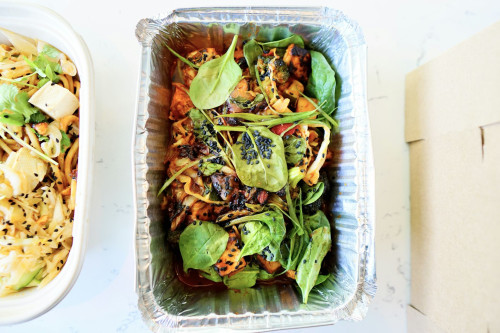
- Aluminum trays or foil can be rinsed and recycled.
You don’t need to scrub everything spotless—just remove visible food and grease. A quick rinse is enough to make a big difference.
Know Your Materials
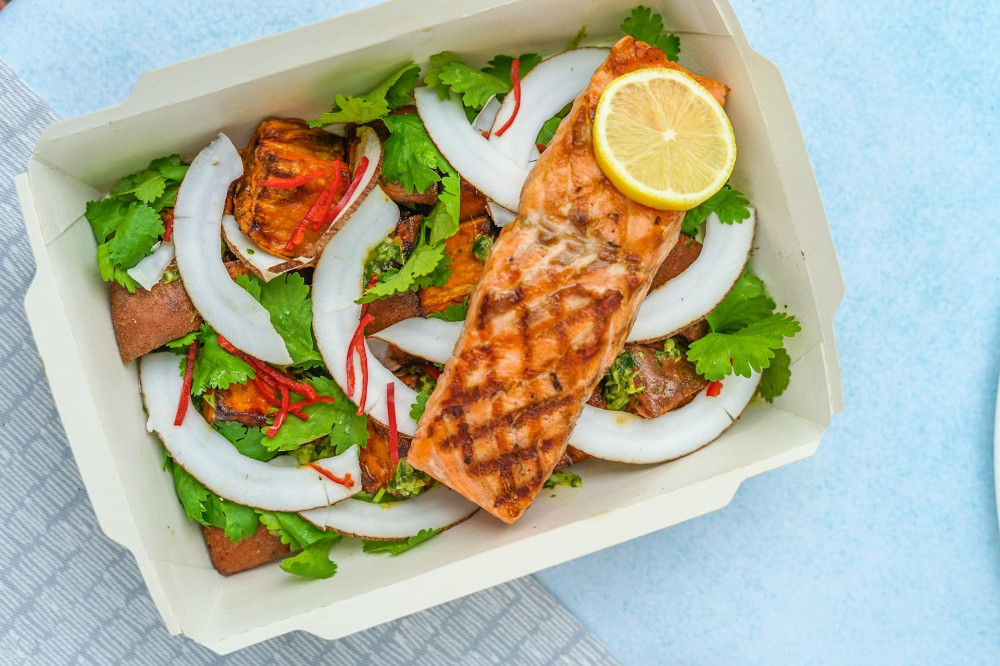
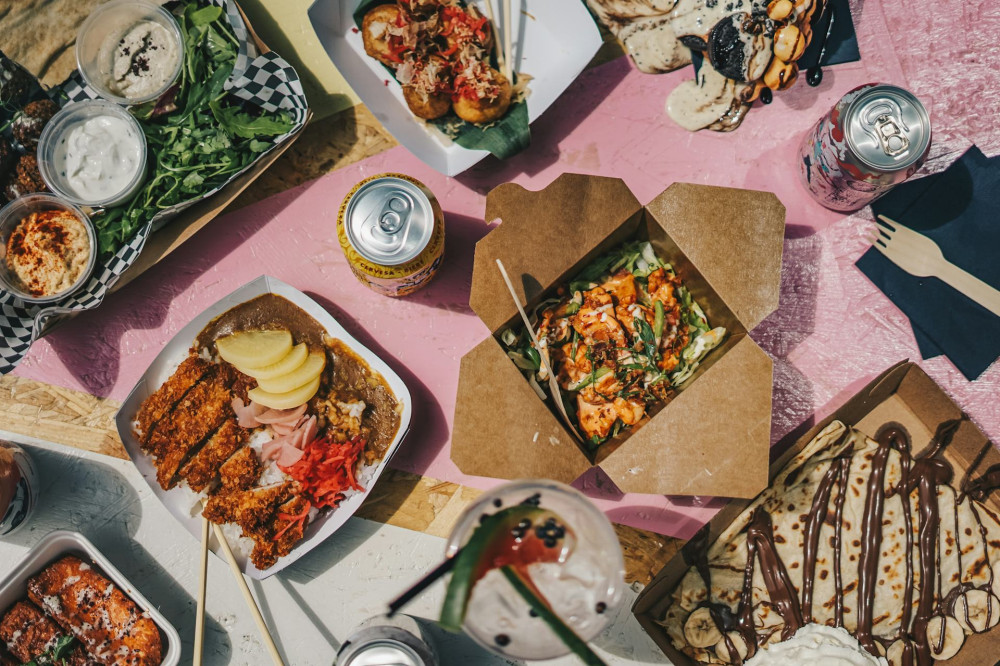
Takeout packaging comes in many forms, and not all of them belong in the same bin. Here are the most common types you’ll encounter:
- Plastic (PP, PET, PS) – Clear or black containers and lids. Recyclable in most curbside programs if clean.
- Aluminum – Used for hot dishes or foil wraps. Recyclable once rinsed.
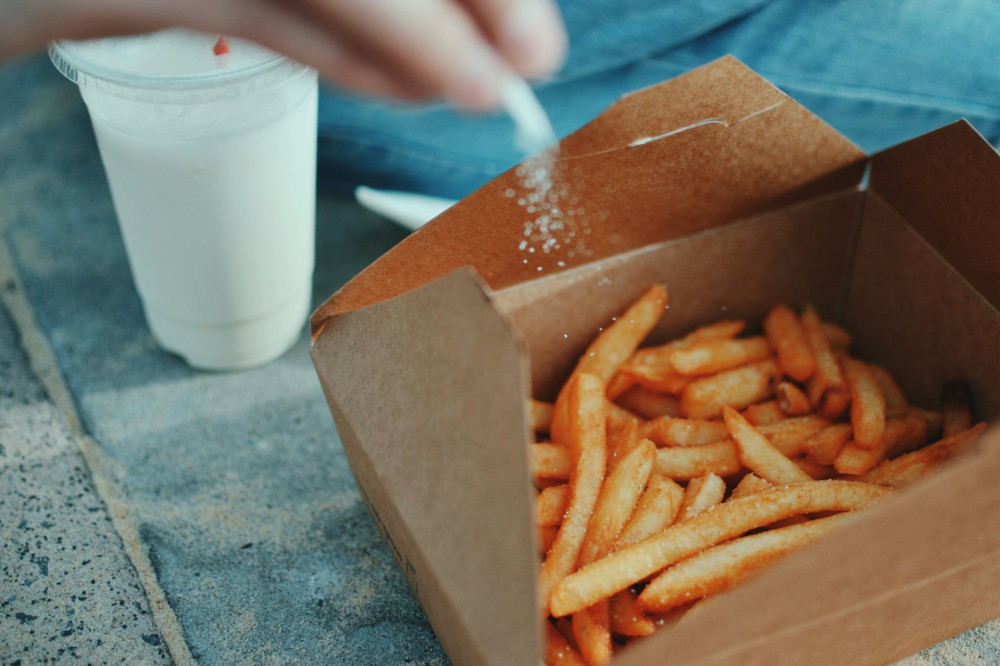
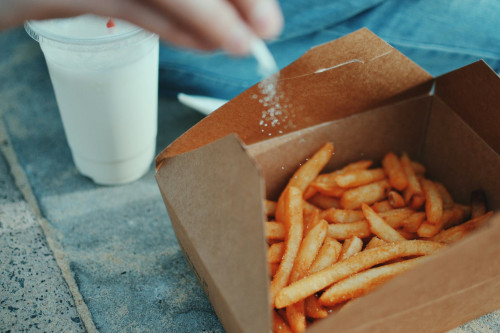
- Paper and cardboard – Pizza boxes, burger boxes, and drink carriers. Clean parts can be recycled; greasy parts go in the trash.
- Compostable or biodegradable materials – Made from PLA, cornstarch, or sugarcane. These usually don’t break down in regular recycling or home composting, so check if your city has an industrial composting program.
- Wood or bamboo utensils – Usually belong in the trash unless your local composting program accepts them.
When in doubt, check your local recycling guidelines—rules can vary by city or county.
The Pizza Box Dilemma
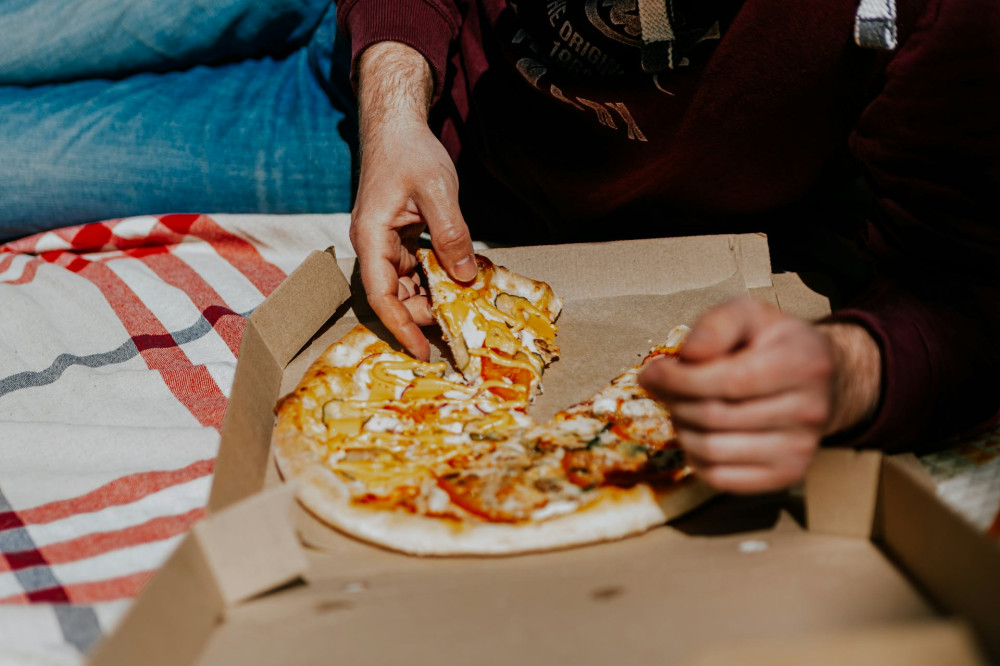
Pizza boxes are a classic recycling challenge. They look like cardboard, but grease and cheese can ruin the batch.
- The clean top can be torn off and recycled.
- The greasy bottom should go in the trash or compost if your area accepts food-soiled paper.
Separating the clean and dirty parts helps ensure that the recyclable portion doesn’t go to waste.
Coffee Cups and Lids
Most disposable coffee cups are lined with plastic to prevent leaks, which makes them hard to recycle.
- The cup usually belongs in the trash unless your city specifically accepts them for recycling.
- Plastic lids can often be recycled if clean.
- Cardboard sleeves can go in the paper recycling bin.
It may seem like extra effort for one cup, but these small steps add up.
Single-Use Utensils and Straws
Even though many restaurants now offer wooden or paper utensils, they’re still not easily recyclable.
- Plastic utensils and straws should go in the trash—they’re too small and lightweight for most recycling systems.
- Wooden or paper utensils can go in the trash or compost if your local program allows it.
If you’re eating at home, skip the disposable cutlery and use your own—it’s the simplest way to cut down on waste.
Læs også:

Don’t Forget the Bag
Takeout bags come in different materials, and each should be handled appropriately.
- Plastic bags should not go in curbside recycling. Instead, bring them to a store drop-off location that accepts plastic film.
- Paper bags can be recycled if they’re clean and dry. If they’re greasy or wet, toss them in the trash.
Small Habits, Big Impact
Sorting your takeout packaging correctly might feel like a small act, but it has a real environmental impact. Proper recycling saves resources, reduces greenhouse gas emissions, and keeps materials in circulation longer.
A helpful tip: set up clearly labeled bins at home—for recycling, trash, and compost (if available). When sorting is easy, it becomes second nature.
Make It Easy for Yourself—and the Planet
Takeout doesn’t have to mean waste. By taking a few extra seconds to empty, rinse, and sort your packaging, you’re helping to keep valuable materials out of landfills and giving them a second life. It’s a simple habit that makes a big difference for the environment.
Læs også: