Summer and Takeout: How to Prevent Bacterial Growth in the Heat

Summer and Takeout: How to Prevent Bacterial Growth in the Heat
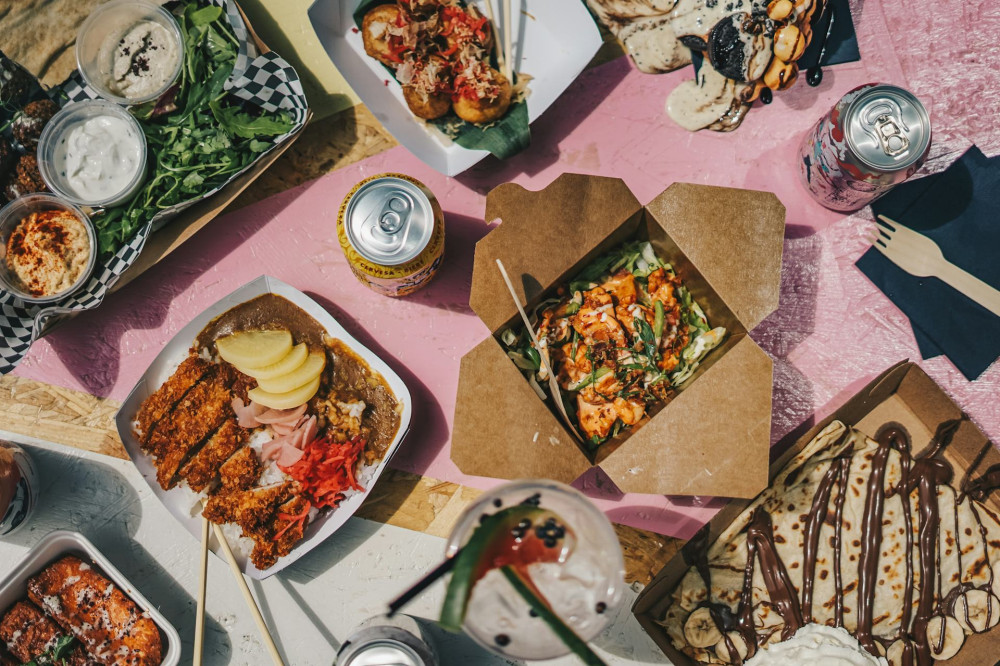
When summer arrives and the temperatures climb, many Americans love to enjoy their meals outdoors—at the beach, in the park, or on the patio. Takeout makes it easy, but warm weather and food safety don’t always mix well. Bacteria thrive in heat, and if food isn’t handled properly, it can quickly become unsafe to eat. Here’s how to keep your takeout fresh and safe during the summer months.
Know the “Danger Zone”
Most bacteria that cause foodborne illness multiply rapidly in what the USDA calls the “danger zone”—between 40°F and 140°F. Food left out in this temperature range for too long can become a breeding ground for bacteria. After just two hours at room temperature—or one hour if it’s above 90°F—food can become unsafe to eat.
That’s why it’s important to think ahead about how you’ll transport and store your takeout, especially if you’re not eating it right away.
Transport Food Safely
When picking up takeout, plan your trip so the food doesn’t sit too long in a hot car or bag. For cold dishes like sushi, salads, or sandwiches, use an insulated cooler with ice packs to keep them chilled. For hot foods, do the opposite—keep them warm until you’re ready to eat. Wrap them in towels or use an insulated thermal bag to maintain the temperature.
Avoid leaving food in a parked car, even for a short time. Interior car temperatures can soar past 100°F in minutes, creating perfect conditions for bacterial growth.
Eat Promptly—or Refrigerate Quickly
If you’re not eating your takeout right away, refrigerate it as soon as possible. The USDA recommends refrigerating perishable foods within two hours—or within one hour if the temperature is above 90°F. Divide large portions into smaller containers so they cool faster.
When reheating leftovers, make sure they reach an internal temperature of at least 165°F. This kills most bacteria that may have developed.
Be Mindful of Certain Foods
Some types of takeout are more sensitive to heat than others. Here are a few examples:
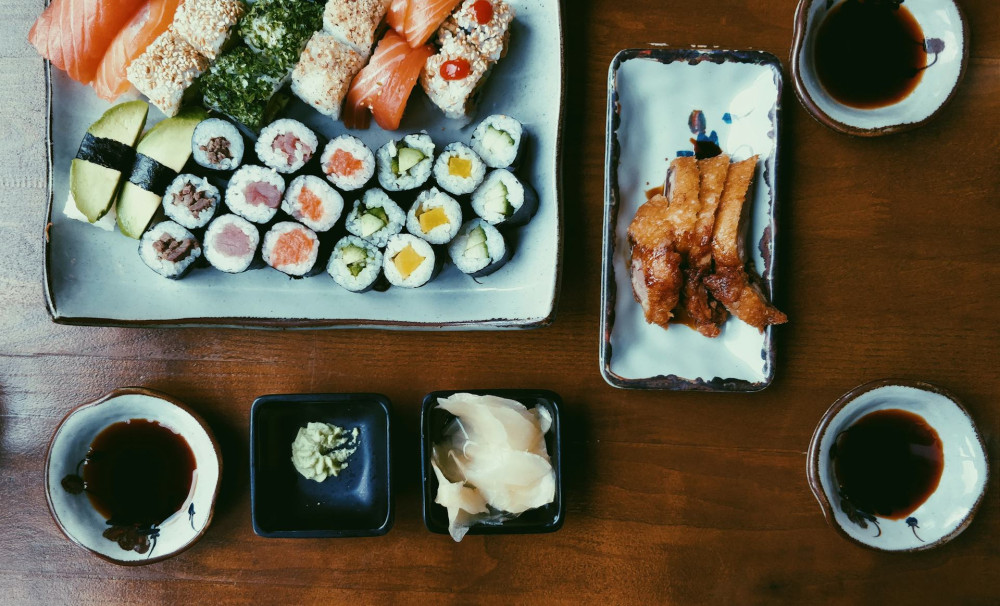
- Sushi and raw fish – Keep them cold at all times and eat within an hour of pickup.
- Chicken and meat dishes – Ensure they’re fully cooked and kept hot until served.
- Rice dishes – Cooked rice can harbor Bacillus cereus if left at room temperature too long. Cool it quickly if you plan to store leftovers.
- Salads with mayonnaise or eggs – These spoil quickly in the heat and should always be kept chilled.
Practice Good Hygiene Outdoors
When eating outside, hygiene matters just as much as temperature. Wash your hands or use hand sanitizer before eating. Keep food covered to protect it from insects, and use lids or foil when you’re not serving.
If you’re sharing food, use serving utensils instead of hands to reduce the risk of spreading bacteria between people.
Trust Your Senses—but Don’t Rely on Them Alone
While smell and appearance can sometimes indicate spoilage, not all harmful bacteria change the way food looks or smells. The safest rule of thumb is simple: When in doubt, throw it out.
Læs også:

Enjoy Summer Safely
Takeout and summer go hand in hand, but a little planning can make all the difference. By keeping an eye on temperature, transporting food properly, and eating it in time, you can enjoy your favorite meals outdoors without worry.
So next time you grab tacos for the park or fried chicken for a picnic, remember: a few smart precautions can help you savor the season—without the stomachache.
Læs også: