Caviar as a Signature: The Little Luxury with a Big Taste Experience

Caviar as a Signature: The Little Luxury with a Big Taste Experience
For centuries, caviar has symbolized luxury, refinement, and culinary artistry. Those tiny, glistening pearls of salted roe have long held a near-mythical status in the world of fine dining—both as a delicacy and as an experience. But what exactly makes caviar so special, and how can it be enjoyed in a way that highlights its unique character?
From River to Celebration – A Brief History
Caviar’s story begins along the great rivers feeding the Caspian and Black Seas, where sturgeon have been harvested for their prized roe for hundreds of years. Once a humble food for local fishermen, caviar eventually became a coveted indulgence among Russian nobility and European aristocrats. Today, caviar is produced around the world—from France and Italy to China and the United States—but the fascination remains the same: a small bite that captures tradition, craftsmanship, and nature’s own luxury.
The Taste of the Sea and Minerals
Caviar’s flavor is complex and varies depending on the species of sturgeon, the salting process, and the aging period. The finest caviar offers a delicate balance of salt, richness, and a subtle nutty finish. The eggs should be firm yet tender, rolling smoothly on the tongue before releasing their distinctive aroma.
When tasting caviar, it’s important to let it speak for itself. It should be served chilled, but not ice-cold, so that its nuances can unfold. Traditionally, a spoon made of mother-of-pearl or horn is used instead of metal, as metal can alter the taste.
How to Enjoy Caviar
While caviar is often associated with champagne and crystal flutes, it can also be enjoyed in simpler, more approachable ways. The key is to create harmony between the caviar’s salty intensity and the elements that accompany it.
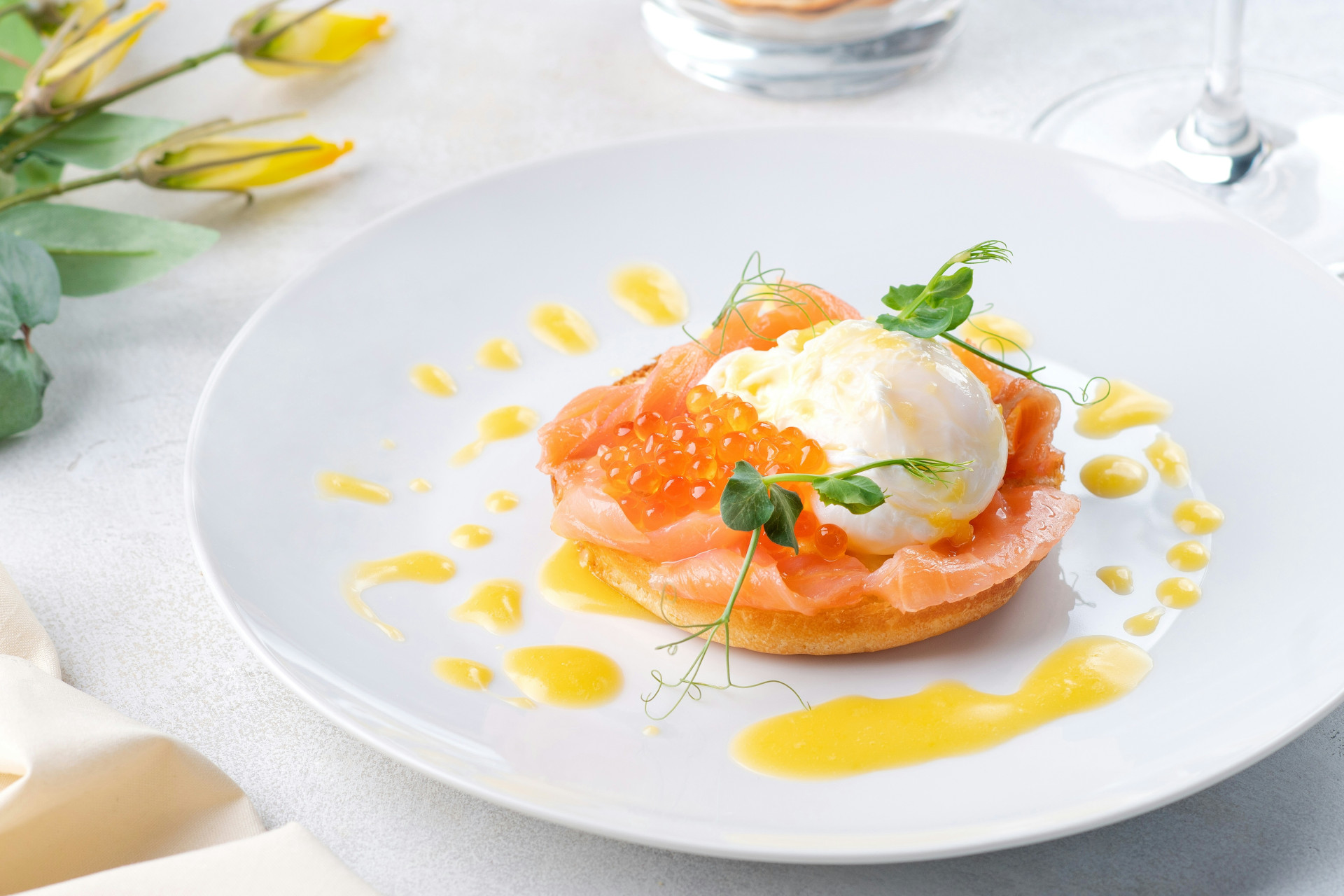
- Classic Serving: On small blinis with a touch of crème fraîche and finely chopped shallots.
- American Twist: On warm potato chips or deviled eggs for a playful contrast of textures.
- Minimalist Indulgence: A small spoonful on its own—perhaps paired with a glass of dry champagne or chilled vodka.
No matter how you serve it, moderation is essential. Caviar is not meant to fill you up—it’s meant to fascinate.
A Sustainable Luxury
As global demand for caviar grew, wild sturgeon populations suffered from overfishing. Today, most of the world’s caviar comes from aquaculture, where producers focus on sustainability and animal welfare. Modern techniques even allow roe to be harvested without killing the fish, making this luxury more responsible.
When buying caviar, look for certifications and origin labels that indicate the product comes from regulated farms and meets international standards. In the U.S., many producers—especially in California—are leading the way in sustainable sturgeon farming, offering high-quality caviar with a clear conscience.
Caviar as a Signature in Modern Cuisine
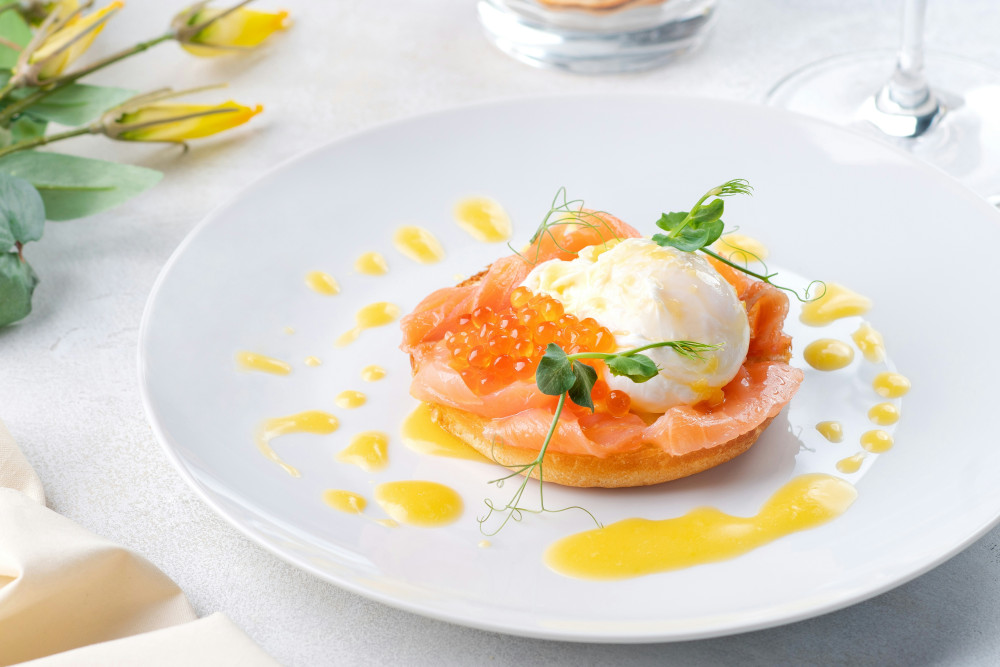
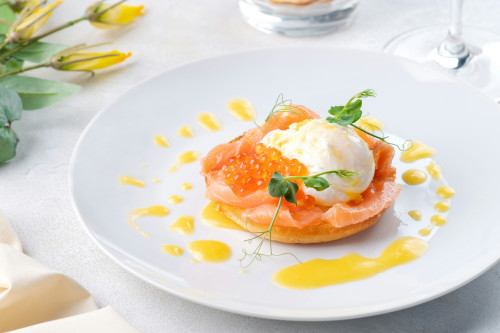
In today’s kitchens, caviar is no longer just a garnish for festive occasions. Chefs use it as a “signature” ingredient—one that adds depth, balance, and elegance to a dish. A small spoonful can elevate a creamy potato purée, a poached egg, or a delicate seafood preparation.
It’s this ability to transform the simple into the extraordinary that makes caviar so special. It doesn’t require large quantities or complicated recipes—just respect for the ingredient and an eye for detail.
Læs også:


The Little Luxury That Makes a Difference
Caviar isn’t an everyday ingredient, and that’s precisely what makes it so meaningful. A single spoonful can offer a moment of indulgence in a busy world—a reminder that pleasure isn’t about excess, but about quality and mindfulness. It’s the kind of experience that turns dining into something more than a meal: a story of taste, culture, and moments worth remembering.
Læs også: