Flavor Balance in Charcuterie: When Acidity, Sweetness, and Richness Find Harmony in the Glass

Flavor Balance in Charcuterie: When Acidity, Sweetness, and Richness Find Harmony in the Glass
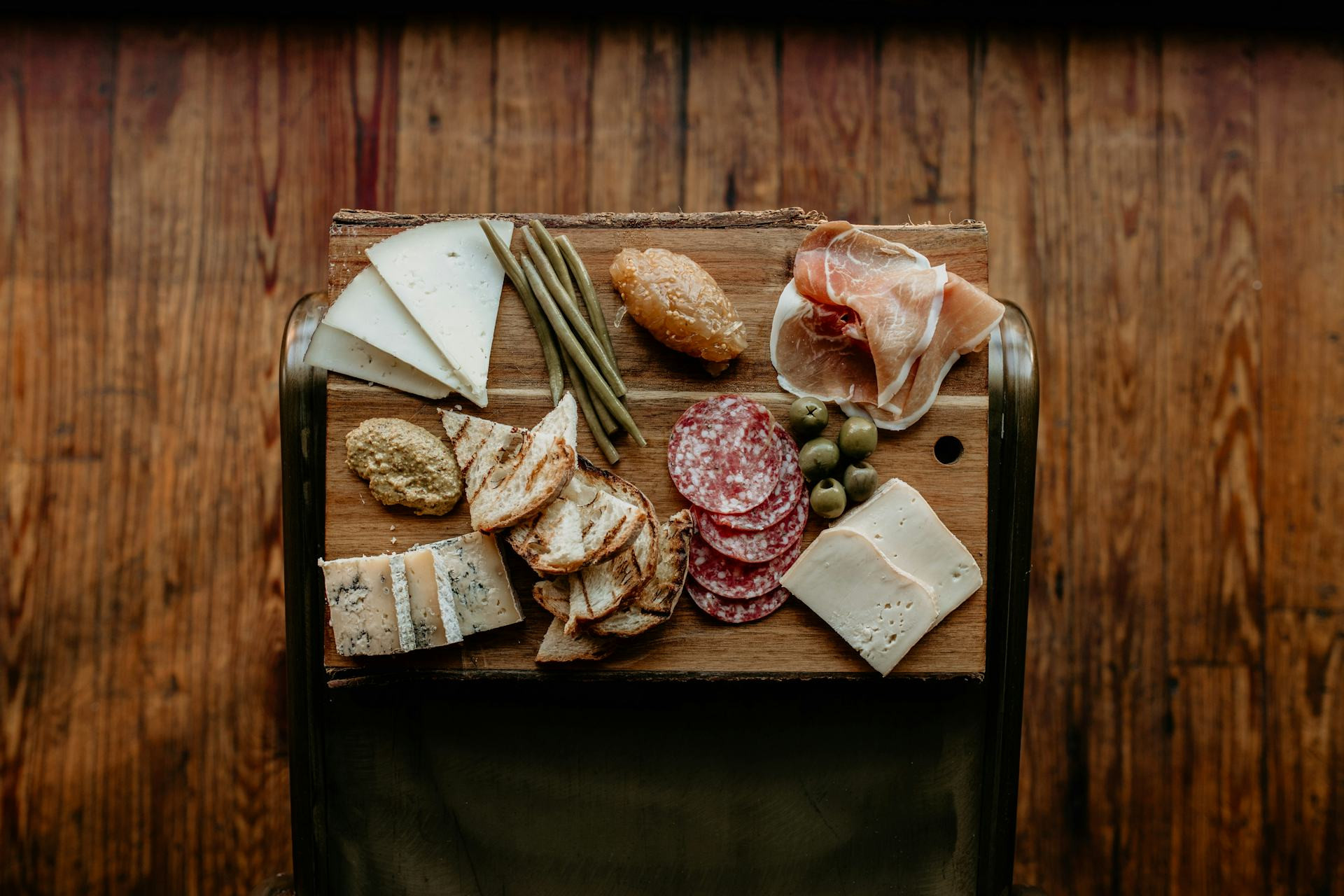
Charcuterie is more than a board of cured meats and cheeses—it’s a sensory experience where taste, texture, and aroma come together in delicate balance. When you add wine, beer, or cider to the mix, the goal isn’t just to find something that “goes with it,” but to create harmony. The right drink can lift the richness of the meats, highlight their subtle sweetness, or provide a refreshing counterpoint with acidity. Here’s how to find that perfect balance between acidity, sweetness, and richness—both on the board and in the glass.
Richness as the Foundation
Charcuterie is defined by its richness—from silky pâté to marbled prosciutto. That fat content gives depth and mouthfeel, but it can also weigh heavy without the right contrast. That’s where your drink comes in: it should refresh the palate and keep each bite feeling new.
A wine with bright acidity, such as a dry Riesling, Sauvignon Blanc, or sparkling wine, cuts through the fat and restores balance. The same goes for a dry cider or a tart farmhouse ale. Bubbles and acidity act like tiny palate cleansers, resetting your taste buds for the next bite.
Læs også:
Sweetness as Contrast and Harmony
Many cured meats carry a natural sweetness, especially those that are smoked or aged. That sweetness can be echoed or balanced depending on your drink choice. A lightly off-dry wine, like a demi-sec Chenin Blanc or a fruit-forward rosé, can create harmony with the meat’s subtle sugars.
Or you can go the other way—contrast sweetness with dryness or bitterness. A dry sherry, vermouth, or bitter aperitif can add complexity and tension, making the flavors more dynamic. The key is to find that point where sweetness and acidity meet without overpowering each other.
Acidity as the Driving Force
Acidity is the invisible engine that keeps flavors alive. Without it, both food and drink can feel flat. In charcuterie, acidity often comes from the accompaniments—cornichons, pickled onions, or mustard—but it can also come from what’s in your glass.
A crisp white wine with citrus notes, a light red with high acidity like Pinot Noir or Gamay, or a dry cider all bring the freshness needed to balance rich, fatty meats like rillettes or duck pâté. Acidity keeps the experience lively and makes you want another bite.
Texture and Temperature
Balance isn’t just about flavor—it’s also about feel. A chilled drink can bring brightness to a salty, fatty salami, while a slightly warmer red wine can draw out the nutty, savory tones of aged ham.
Think about texture, too: a sparkling wine or effervescent beer adds liveliness, while a round, oak-aged wine can mirror the creamy texture of pâté. Harmony often emerges in the interplay between temperature, texture, and taste.
Building Your Own Charcuterie Board
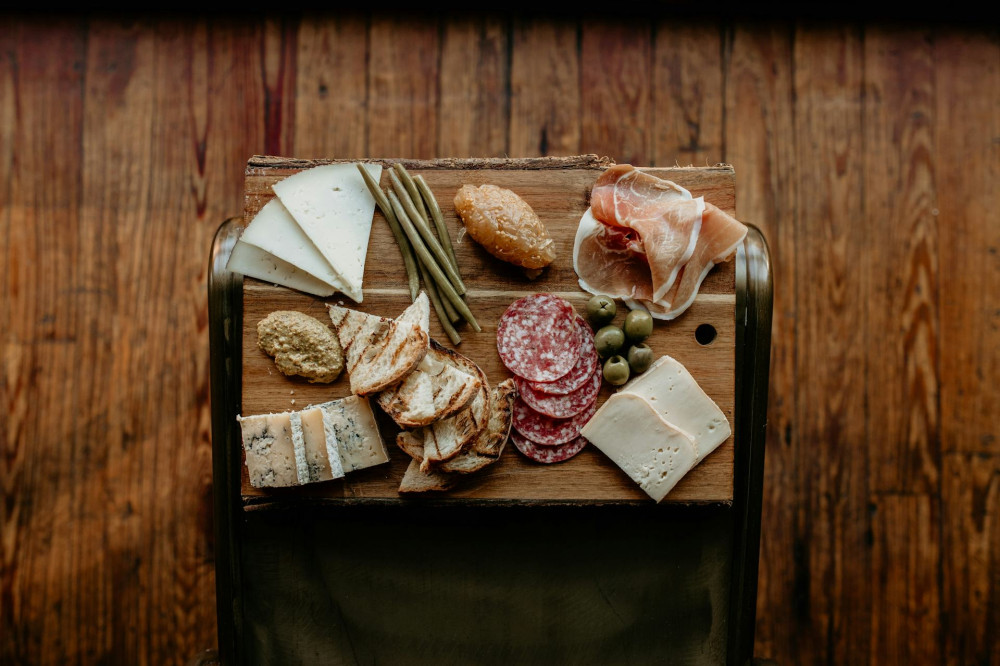
When assembling a charcuterie board, think in terms of variety—both in flavor and structure. Try combinations like:
- A rich pork rillette with a crisp, acidic white wine.
- A sweet, smoky ham with a dry cider or a lightly bitter pale ale.
- A spicy salami with a fruit-forward red wine with low tannins.
- A smoked sausage with a sparkling wine to lift the smoky notes.
Add tangy sides like pickles, olives, or mustard—they act as bridges between the meats and the drinks, tying everything together.
When the Glass Becomes Part of the Experience
The beauty of charcuterie lies in its social, exploratory nature. You taste, compare, and discover how small changes in your drink transform the food. It’s a playful dance of balance—where acidity, sweetness, and richness meet in fleeting harmony.
So next time you set out a charcuterie spread, let the glass be part of the story. Choose drinks that both challenge and complement, and enjoy how each pairing tells its own little tale of flavor.
Læs også: