Local Delicacies with Care: How to Choose and Support Sustainable Producers

Local Delicacies with Care: How to Choose and Support Sustainable Producers
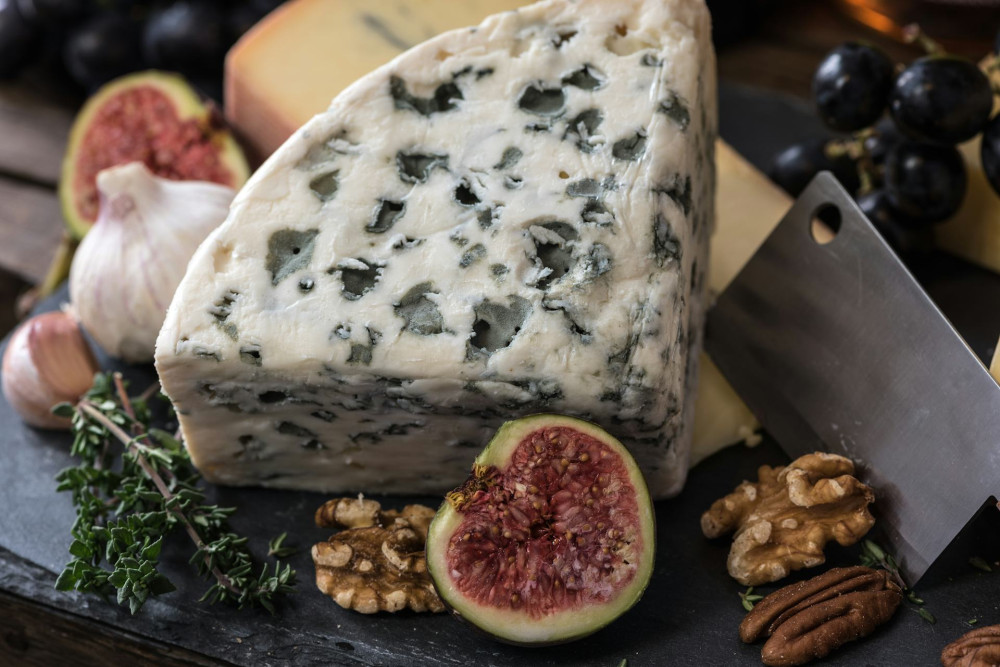
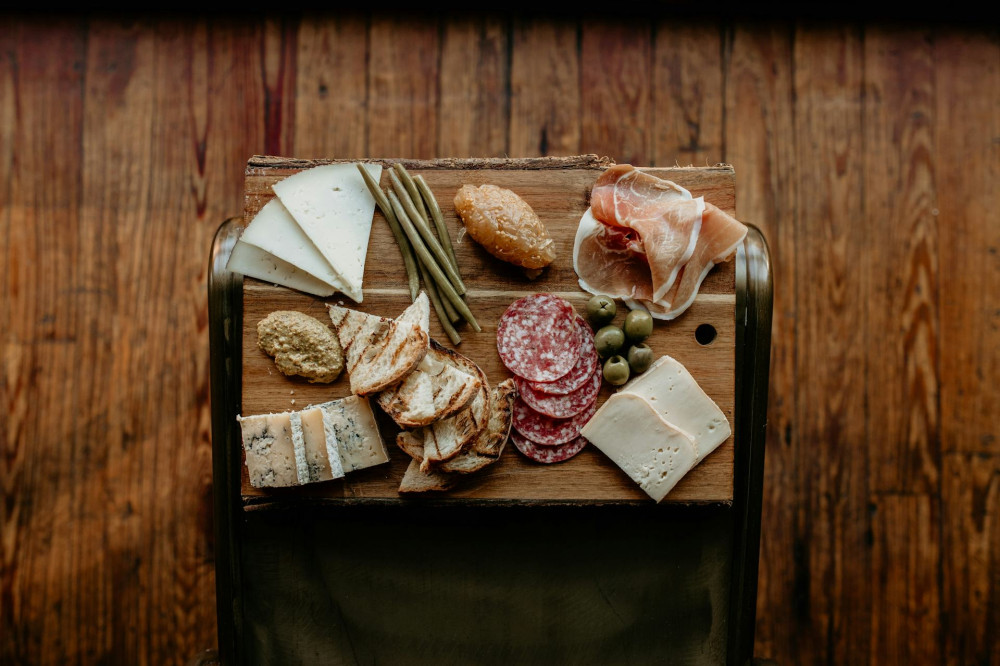
There’s something special about tasting your way through local delicacies — a wedge of cheese from a nearby creamery, honey from a local beekeeper, or craft beer brewed with grains grown just down the road. But behind every delicious bite lies a choice: how can you, as a consumer, support producers who care for the environment, animals, and their communities? Here’s a guide to choosing local delicacies with sustainability in mind.
Know Your Producer
The first step toward more sustainable choices is understanding where your food comes from. Many small producers value transparency and are happy to share how they raise their animals, grow their crops, and craft their products.
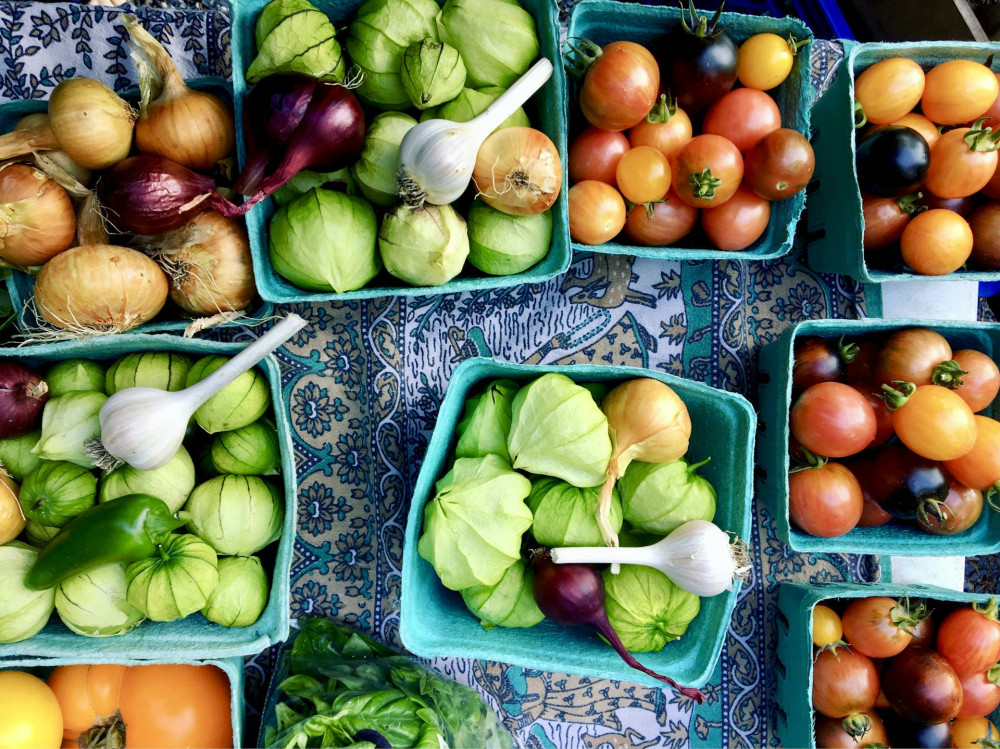
Visit farmers markets, farm stands, or local food co-ops where you can meet producers face-to-face. Ask questions such as:
- Do they use locally sourced ingredients?
- How do they handle waste and packaging?
- What steps do they take to protect soil health and biodiversity?
When you know the story behind your food, it often tastes even better — and you can buy with confidence.
Choose Quality Over Quantity
Sustainability isn’t just about the environment; it’s also about valuing quality. Local delicacies are often made in small batches, allowing craftsmanship and ingredients to shine. The price may be a bit higher, but you’re paying for care, flavor, and integrity — not additives or mass production.
Think seasonally: buy apple cider when apples are at their peak, or choose fresh goat cheese in spring when the milk is richest. Seasonal eating reduces transportation emissions and supports local agricultural cycles.
Look for Meaningful Certifications
Certifications can help guide your choices, but they don’t always tell the full story. USDA Organic is a strong starting point, as it sets standards for environmental and animal welfare. However, smaller local labels — such as Certified Naturally Grown or regenerative agriculture initiatives — may also reflect deep commitments to sustainability.
If you’re unsure, ask the producer directly. Many small farms and artisans follow sustainable practices but can’t afford formal certification. They’re often eager to explain their methods and show their results.
Support Local Communities
When you buy directly from local producers, more of your money goes to the people who actually make the food. That strengthens local economies and helps preserve rural livelihoods.
Consider joining a community-supported agriculture (CSA) program or a local food subscription service. You’ll receive fresh, seasonal products straight from the farm and build a closer connection to the people who grow and craft your food.
Mind the Packaging
Even the best ingredients lose some of their sustainability if they’re wrapped in unnecessary plastic. Many local producers now offer reusable jars, deposit systems, or compostable packaging.
You can make a difference too: bring your own bags, jars, or containers when shopping at farmers markets or local stores. It’s a simple way to show that you value sustainability from start to finish.
Læs også:



Make It an Experience
Choosing local delicacies isn’t just about shopping — it’s about discovery. Take a food tour, visit a farm, or attend a harvest festival. Many producers welcome visitors, offering tastings and behind-the-scenes looks at their craft.
Seeing the work that goes into each product deepens your appreciation for the process — and might even inspire you to try your hand at home cheesemaking, pickling, or baking with local grains.
Small Choices, Big Impact
It may seem like a small thing to choose local honey over imported, but together, these small choices add up. You’re supporting people who are building a more sustainable food culture and helping preserve local traditions and flavors.
Eating with care isn’t just good for the planet — it’s a way to connect with nature, craftsmanship, and community. And, quite simply, it tastes better.
Læs også: