Cooking on a Budget – How to Make It a Creative and Positive Experience

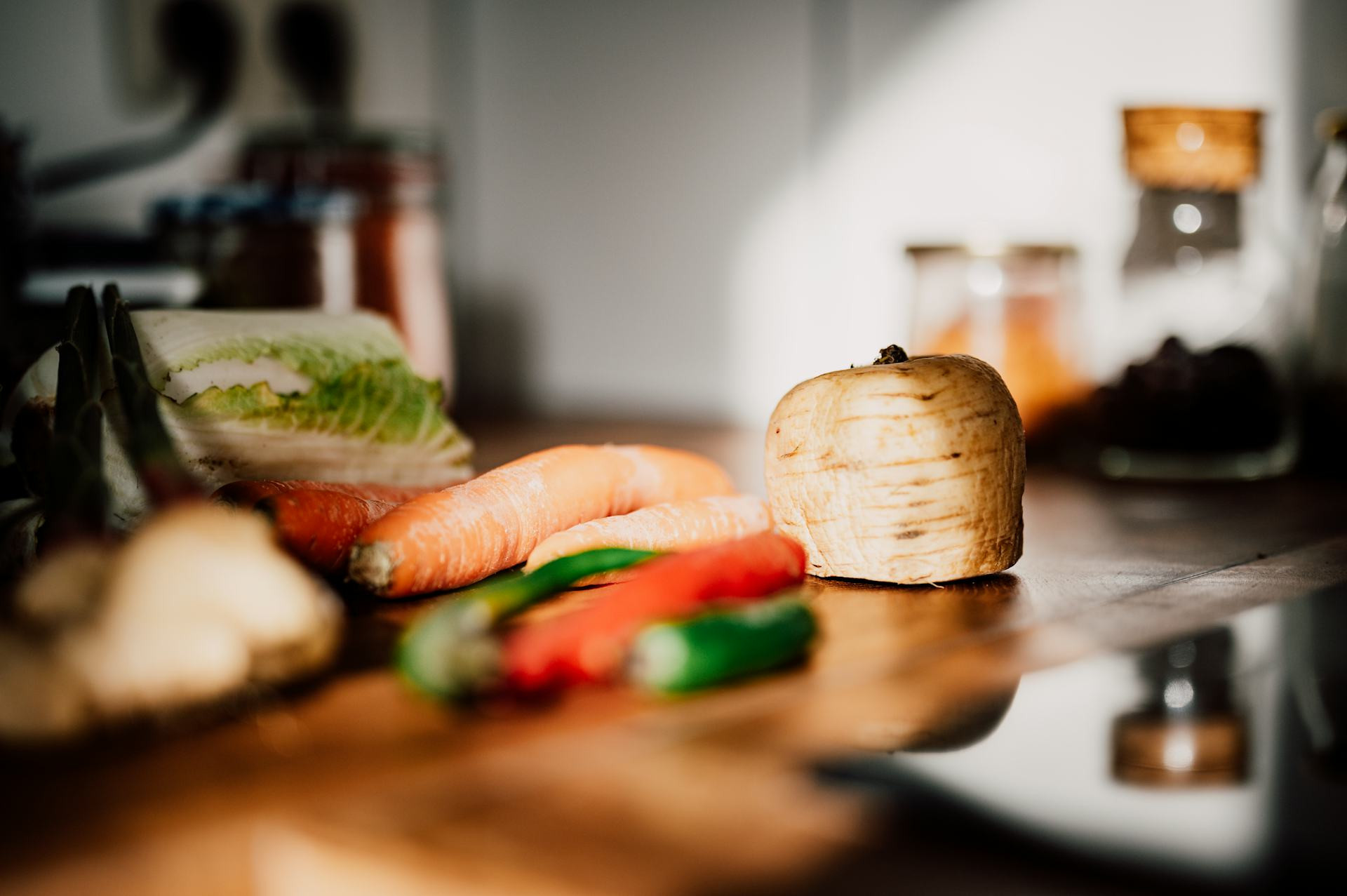
Discover how saving money in the kitchen can spark creativity and joy
Food boxes
Food boxes
7 min
Learn how to make cooking on a budget a fun and fulfilling experience. With smart planning, clever ingredient choices, and a positive mindset, you can create delicious meals that are kind to both your wallet and the planet.
Blake Scott
Blake
Scott

Cooking on a Budget – How to Make It a Creative and Positive Experience

Discover how saving money in the kitchen can spark creativity and joy
Food boxes
Food boxes
7 min
Learn how to make cooking on a budget a fun and fulfilling experience. With smart planning, clever ingredient choices, and a positive mindset, you can create delicious meals that are kind to both your wallet and the planet.
Blake Scott
Blake
Scott

Cooking on a budget doesn’t have to feel limiting or dull. In fact, it can be a chance to get creative, explore new recipes, and rediscover the joy of making something delicious from simple ingredients. With the right mindset, you can turn everyday cooking into a positive and rewarding experience—even when you’re watching your spending.

Planning Is the Secret Ingredient

One of the best ways to save money in the kitchen is to plan ahead. When you know what you’ll be cooking for the week, you’re less likely to make impulse purchases or waste food.

  • Create a meal plan for three to five days at a time. It helps you stay organized and shop with purpose.
  • Check your pantry and fridge before heading to the store. You might already have ingredients you can build meals around.
  • Shop sales and use coupons—but only for items you’ll actually use.
  • Think in leftovers: Cook extra portions so you can reinvent them into new meals later in the week.

Meal planning isn’t about being rigid; it’s about creating structure so you can use your time and money more wisely.

Affordable Ingredients with Big Potential

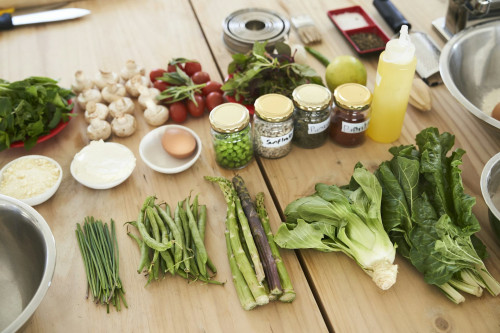
Some of the most budget-friendly ingredients are also the most versatile. Beans, lentils, eggs, rice, and seasonal vegetables can form the base of countless satisfying dishes—from soups and casseroles to tacos and stir-fries.

  • Beans and lentils are packed with protein and fiber at a fraction of the cost of meat.
  • Eggs are quick, nutritious, and can be used in everything from breakfast scrambles to baked goods.
  • Rice and pasta stretch meals and pair well with almost any sauce or topping.
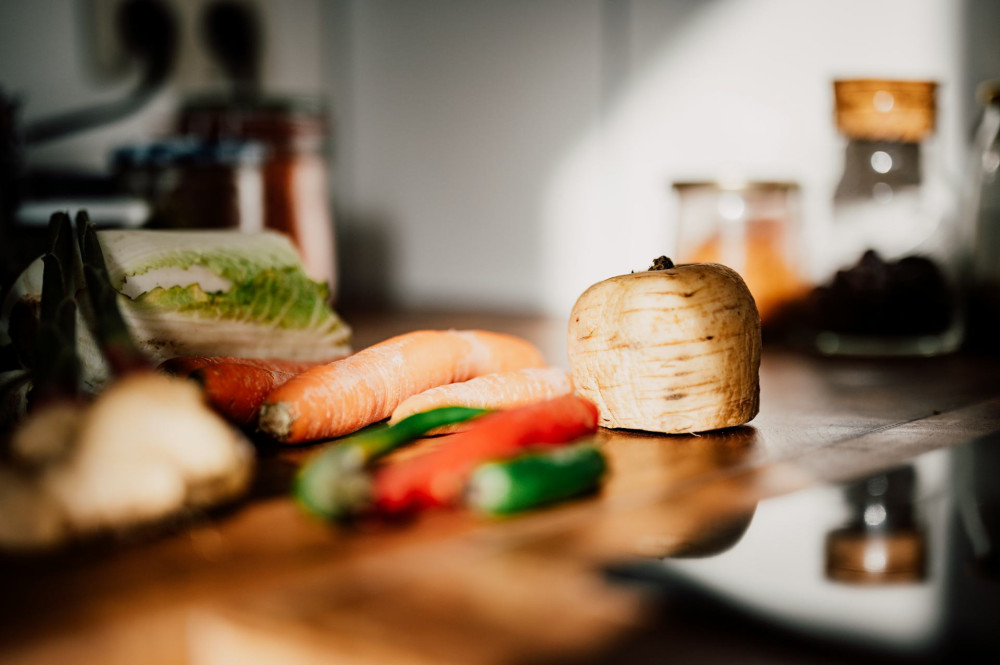
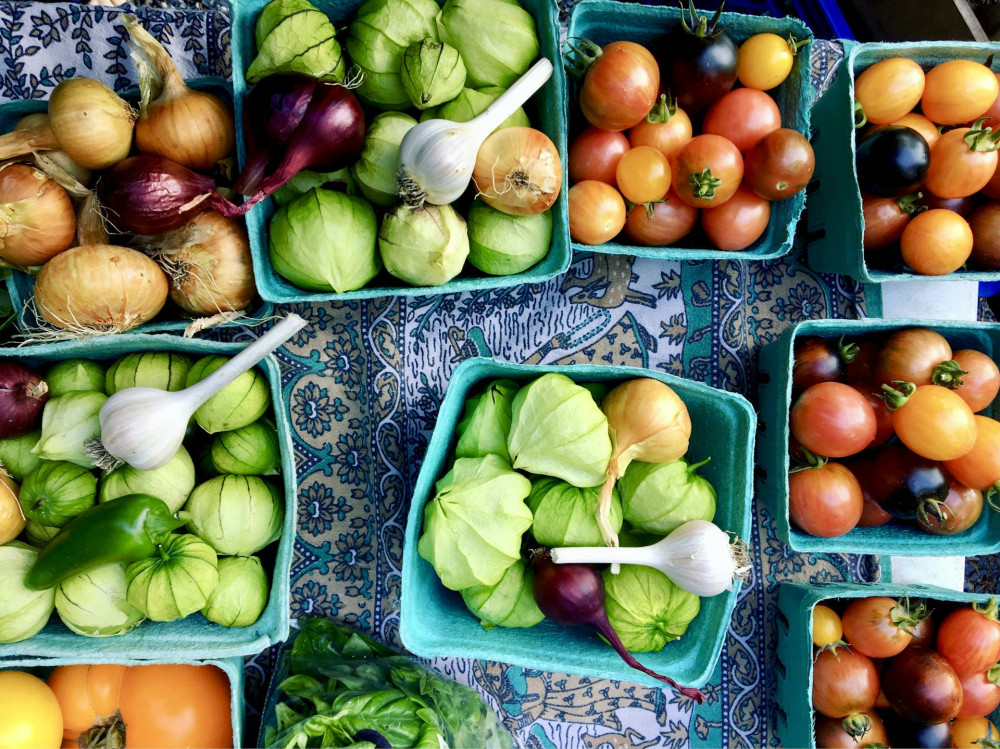
  • Seasonal produce—like carrots, cabbage, or sweet potatoes—is often cheaper and fresher.

By combining these staples with herbs, spices, and a bit of creativity, you can make meals that taste great and keep you full.

Make Cooking a Game

When money is tight, cooking can start to feel like a chore. But it can also become a fun challenge. Think of it as a game where the goal is to make the most of what you have.

  • Have a weekly “clean out the fridge” night to use up leftovers and reduce waste.
  • Set small challenges—like “meatless Monday” or “dinner under $10.”
  • Get family or friends involved. Cooking together can turn an ordinary evening into a shared experience.

When you treat cooking as an opportunity to be inventive, it’s easier to stay motivated and positive.

Let Your Freezer Work for You

Your freezer is one of the most powerful tools for budget cooking. It helps you take advantage of sales, store leftovers, and prevent food from going bad.

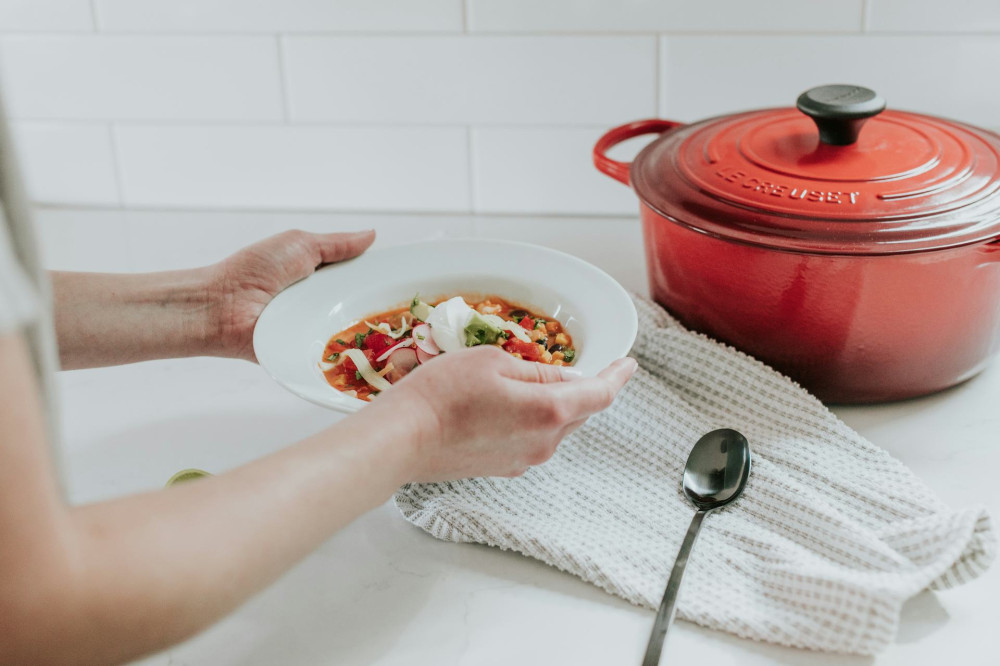
  • Freeze extra portions of soups, stews, and sauces for quick future meals.
  • Store chopped vegetables, bread, or cooked grains in labeled containers.
  • Use ice cube trays to freeze small amounts of broth, lemon juice, or herbs in oil.

Having a well-stocked freezer means you’ll always have something ready when time or money is short.

Find Joy in Simplicity

Cooking on a budget isn’t just about saving money—it’s about finding satisfaction in simple, homemade meals. A dish made with care can bring comfort and pride that takeout rarely matches.

Set the table nicely, even on a weeknight. Light a candle or play your favorite music. Small touches can make a big difference in how you experience your meal. When you make cooking a pleasant part of your day, it becomes easier to stick with good habits.

A Win for You and the Planet

Budget-friendly cooking is also eco-friendly. When you plan meals, use leftovers, and buy seasonal produce, you reduce food waste and your environmental footprint. It’s a small effort that benefits both your wallet and the planet.

In the end, cooking on a budget is about taking control of your daily life, using your resources wisely, and finding joy in the process. With a bit of planning, creativity, and curiosity, you can create meals that are affordable, nourishing, and deeply satisfying.

Dietary Variety: The Path to More Energy and Less Fatigue
Discover how a diverse diet can boost your energy and keep fatigue at bay
Food boxes
Food boxes
Nutrition
Healthy Eating
Energy
Wellness
Lifestyle
7 min
Learn how adding variety to your meals can help you maintain steady energy levels, improve focus, and reduce tiredness throughout the day. This article explains why dietary diversity matters and offers simple tips for creating balanced, energizing meals.
Saoirse Fisher
Saoirse
Fisher
Eco-Friendly Cooking: How to Save Energy and Resources in the Kitchen
Simple ways to make your cooking more sustainable and energy-efficient
Food boxes
Food boxes
Sustainable Living
Eco-Friendly Cooking
Energy Saving
Green Kitchen
Food Waste Reduction
4 min
Discover how small adjustments in your kitchen can lead to big environmental benefits. Learn practical tips for reducing food waste, saving energy, and choosing eco-friendly ingredients—without compromising on taste or convenience.
Jonah Phillips
Jonah
Phillips
Cooking on a Budget – How to Make It a Creative and Positive Experience
Discover how saving money in the kitchen can spark creativity and joy
Food boxes
Food boxes
Budget Cooking
Creative Recipes
Home Cooking
Sustainable Living
Food Inspiration
7 min
Learn how to make cooking on a budget a fun and fulfilling experience. With smart planning, clever ingredient choices, and a positive mindset, you can create delicious meals that are kind to both your wallet and the planet.
Blake Scott
Blake
Scott
Structure in Everyday Life: How a Set Routine Makes Meal Planning Easier
Discover how a simple routine can turn meal planning from a daily hassle into a smooth, stress-free habit
Food boxes
Food boxes
Meal Planning
Routine
Family Life
Time Management
Healthy Eating
3 min
Meal planning doesn’t have to be overwhelming. By adding structure and setting a routine, you can save time, reduce food waste, and make dinnertime more enjoyable for the whole family. Learn practical ways to bring order and ease to your weekly meals.
Violet Hernandez
Violet
Hernandez
Wild or Cultivated? The Taste of Nature’s Diversity
Discover how the origin of your food shapes its flavor and story
Food
Food
Food Culture
Wild Food
Culinary Exploration
Sustainability
Taste
3 min
From forest-picked berries to carefully cultivated vegetables, the taste of what we eat reveals the interplay between nature and human touch. Explore how wild and farmed foods differ in flavor, texture, and meaning—and what that says about our connection to the natural world.
Emory Chavez
Emory
Chavez
Food Culture Across Regions: Local Dishes with Proud Traditions
Discover how America’s regional flavors tell stories of history, heritage, and community
Food
Food
Food Culture
Regional Cuisine
American Traditions
Local Dishes
Culinary Heritage
3 min
From coastal seafood traditions to hearty Midwestern fare and spicy Southwestern creations, explore how local dishes across the United States reflect the landscapes and cultures that shaped them. This journey through regional food culture celebrates the pride and diversity found at every table.
Saoirse Fisher
Saoirse
Fisher
Healthy Eating Habits for the Whole Family – Without Stress or Conflict
Turn family meals into moments of joy, balance, and connection
Food
Food
Healthy Eating
Family Life
Nutrition
Parenting
Wellness
4 min
Discover how to make healthy eating a natural and enjoyable part of everyday family life. With simple planning, a positive atmosphere, and a focus on balance rather than restrictions, you can reduce mealtime stress and help everyone eat well—together.
Jonah Phillips
Jonah
Phillips