Eat Greener with Meal Kits – Easy, Healthy, and Waste-Free

Discover how meal kits can make healthy, sustainable eating effortless
Food boxes
Food boxes
2 min
Meal kits are changing the way we cook and eat—making it easier to enjoy fresh, balanced meals while cutting down on food waste and saving time. Learn how this simple solution can help you live greener and eat better every day.
Emory Chavez
Emory
Chavez

Eat Greener with Meal Kits – Easy, Healthy, and Waste-Free

Discover how meal kits can make healthy, sustainable eating effortless
Food boxes
Food boxes
2 min
Meal kits are changing the way we cook and eat—making it easier to enjoy fresh, balanced meals while cutting down on food waste and saving time. Learn how this simple solution can help you live greener and eat better every day.
Emory Chavez
Emory
Chavez

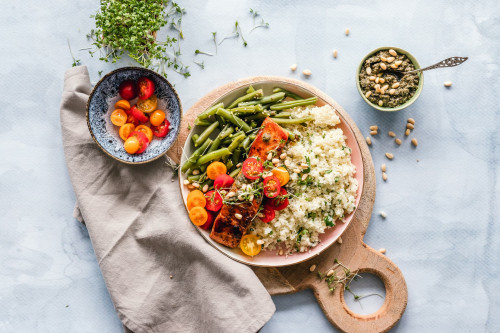
More and more Americans are turning to meal kits delivered right to their door—and for good reason. Meal kits make it simple to eat healthy, varied, and more sustainably without spending hours on grocery shopping or meal planning. They also help reduce food waste by providing perfectly portioned ingredients for each recipe. Here’s how meal kits can make your everyday life easier, healthier, and greener.

A Simple Way to Add More Greens to Your Plate

Getting enough vegetables and plant-based meals into your week can be a challenge, especially with a busy schedule. Between work, family, and errands, it’s easy to fall back on takeout or repetitive dinners. With a meal kit, you skip the grocery store and the guesswork—everything you need arrives at your doorstep, along with easy-to-follow recipes.

Many U.S. meal kit companies now offer vegetarian, vegan, or “green” plans that focus on fresh produce, legumes, and plant-based proteins. This makes it easier to eat more sustainably without giving up your favorite foods. You might even discover new ingredients and flavors you wouldn’t have tried otherwise.

Less Food Waste, More Thoughtful Eating

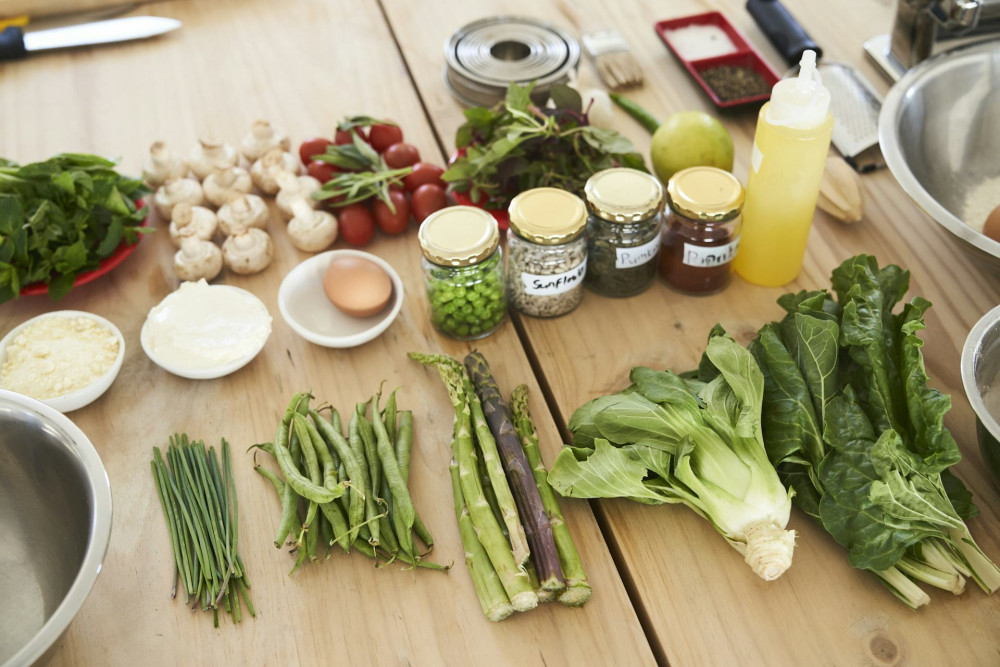
One of the biggest advantages of meal kits is how effectively they cut down on food waste. Because ingredients are pre-measured for each recipe, you use exactly what you need—no half-used bunches of herbs or forgotten vegetables in the fridge.

Many providers are also working to make their packaging and delivery more eco-friendly. Recyclable boxes, reusable ice packs, and compostable materials are becoming standard. Some companies even offer packaging return programs, so materials can be reused. It’s a convenient way to make a greener choice without sacrificing comfort or quality.

Health and Variety Made Easy

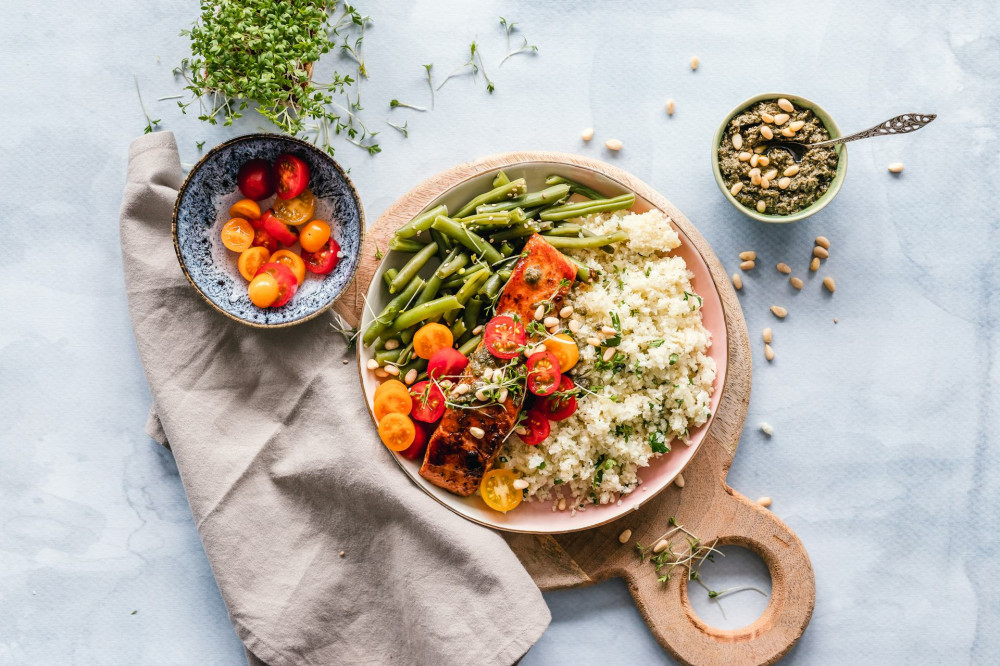
Meal kits don’t just deliver food—they deliver inspiration. With new recipes each week, you’ll naturally eat a more varied diet. One week might bring Mediterranean grain bowls, the next a Thai-inspired curry or a classic American comfort dish with a healthy twist.

Most meal kits are designed by nutrition experts to provide a balanced mix of vegetables, proteins, and whole grains. That means you can eat well without counting calories or planning every meal. For families, cooking together from a meal kit can also be a fun way to get kids interested in new foods and flavors.

Save Time and Reduce Stress

Convenience is one of the biggest reasons people love meal kits. You save time by skipping grocery trips and meal planning, freeing up hours each week for family, hobbies, or simply relaxing.

Most services offer flexible subscriptions—you can choose the number of meals, servings, and delivery days, and skip weeks whenever you need to. Whether you’re a busy professional, a parent, or someone just looking to simplify dinner, meal kits can fit your lifestyle.

How to Choose the Right Meal Kit

The U.S. meal kit market has grown rapidly, and there’s something for everyone. When choosing a service, consider:

  • Diet type: Do you prefer vegetarian, vegan, pescatarian, or mixed options?
  • Prep time: Some kits take just 15–20 minutes, while others are more gourmet.
  • Ingredient sourcing: Look for organic or locally sourced ingredients if sustainability matters to you.
  • Price and flexibility: Compare cost per meal and check how easy it is to pause or adjust deliveries.

By picking a plan that fits your needs, you’ll get the most out of your meal kit—both for your health and for the planet.

A Greener Lifestyle Starts in the Kitchen

Eating greener doesn’t have to be complicated. With meal kits, you can make sustainable choices every day—without giving up flavor or convenience. You’ll save time, reduce waste, and enjoy fresh, balanced meals that make cooking fun again.

It’s a small change that can make a big difference—for you, your family, and the environment.

Dietary Variety: The Path to More Energy and Less Fatigue
Discover how a diverse diet can boost your energy and keep fatigue at bay
Food boxes
Food boxes
Nutrition
Healthy Eating
Energy
Wellness
Lifestyle
7 min
Learn how adding variety to your meals can help you maintain steady energy levels, improve focus, and reduce tiredness throughout the day. This article explains why dietary diversity matters and offers simple tips for creating balanced, energizing meals.
Saoirse Fisher
Saoirse
Fisher
Eco-Friendly Cooking: How to Save Energy and Resources in the Kitchen
Simple ways to make your cooking more sustainable and energy-efficient
Food boxes
Food boxes
Sustainable Living
Eco-Friendly Cooking
Energy Saving
Green Kitchen
Food Waste Reduction
4 min
Discover how small adjustments in your kitchen can lead to big environmental benefits. Learn practical tips for reducing food waste, saving energy, and choosing eco-friendly ingredients—without compromising on taste or convenience.
Jonah Phillips
Jonah
Phillips
Cooking on a Budget – How to Make It a Creative and Positive Experience
Discover how saving money in the kitchen can spark creativity and joy
Food boxes
Food boxes
Budget Cooking
Creative Recipes
Home Cooking
Sustainable Living
Food Inspiration
7 min
Learn how to make cooking on a budget a fun and fulfilling experience. With smart planning, clever ingredient choices, and a positive mindset, you can create delicious meals that are kind to both your wallet and the planet.
Blake Scott
Blake
Scott
Structure in Everyday Life: How a Set Routine Makes Meal Planning Easier
Discover how a simple routine can turn meal planning from a daily hassle into a smooth, stress-free habit
Food boxes
Food boxes
Meal Planning
Routine
Family Life
Time Management
Healthy Eating
3 min
Meal planning doesn’t have to be overwhelming. By adding structure and setting a routine, you can save time, reduce food waste, and make dinnertime more enjoyable for the whole family. Learn practical ways to bring order and ease to your weekly meals.
Violet Hernandez
Violet
Hernandez
Wild or Cultivated? The Taste of Nature’s Diversity
Discover how the origin of your food shapes its flavor and story
Food
Food
Food Culture
Wild Food
Culinary Exploration
Sustainability
Taste
3 min
From forest-picked berries to carefully cultivated vegetables, the taste of what we eat reveals the interplay between nature and human touch. Explore how wild and farmed foods differ in flavor, texture, and meaning—and what that says about our connection to the natural world.
Emory Chavez
Emory
Chavez
Food Culture Across Regions: Local Dishes with Proud Traditions
Discover how America’s regional flavors tell stories of history, heritage, and community
Food
Food
Food Culture
Regional Cuisine
American Traditions
Local Dishes
Culinary Heritage
3 min
From coastal seafood traditions to hearty Midwestern fare and spicy Southwestern creations, explore how local dishes across the United States reflect the landscapes and cultures that shaped them. This journey through regional food culture celebrates the pride and diversity found at every table.
Saoirse Fisher
Saoirse
Fisher
Healthy Eating Habits for the Whole Family – Without Stress or Conflict
Turn family meals into moments of joy, balance, and connection
Food
Food
Healthy Eating
Family Life
Nutrition
Parenting
Wellness
4 min
Discover how to make healthy eating a natural and enjoyable part of everyday family life. With simple planning, a positive atmosphere, and a focus on balance rather than restrictions, you can reduce mealtime stress and help everyone eat well—together.
Jonah Phillips
Jonah
Phillips