Eco-Friendly Cooking: How to Save Energy and Resources in the Kitchen

Simple ways to make your cooking more sustainable and energy-efficient
Food boxes
Food boxes
4 min
Discover how small adjustments in your kitchen can lead to big environmental benefits. Learn practical tips for reducing food waste, saving energy, and choosing eco-friendly ingredients—without compromising on taste or convenience.
Jonah Phillips
Jonah
Phillips

Eco-Friendly Cooking: How to Save Energy and Resources in the Kitchen

Simple ways to make your cooking more sustainable and energy-efficient
Food boxes
Food boxes
4 min
Discover how small adjustments in your kitchen can lead to big environmental benefits. Learn practical tips for reducing food waste, saving energy, and choosing eco-friendly ingredients—without compromising on taste or convenience.
Jonah Phillips
Jonah
Phillips

Cooking is one of life’s daily essentials—but it’s also an area where we often use more energy and resources than necessary. The good news is that small changes in your kitchen habits can make a big difference for both the environment and your utility bills. Here’s a guide to cooking in a more eco-friendly way—without sacrificing flavor or convenience.

Plan Ahead to Reduce Food Waste

Food waste is one of the biggest environmental challenges in American households. When we throw food away, we waste not only the ingredients but also the energy and water used to grow, transport, and prepare them.

  • Plan your meals for the week so you only buy what you’ll actually use.
  • Get creative with leftovers—turn last night’s roasted vegetables into a frittata or soup, or use leftover rice for fried rice or burritos.
  • Store food properly by keeping your fridge at about 37°F and your freezer at 0°F, and use airtight containers to extend freshness.

By planning ahead and using what you buy, you can cut down on waste and save money at the same time.

Choose Energy-Efficient Tools and Techniques

How you cook can have a big impact on your energy use. Some methods are far more efficient than others.

  • Keep lids on pots to trap heat and reduce cooking time.
  • Use residual heat—turn off the stove or oven a few minutes before the food is done and let the remaining heat finish the job.
  • Boil water in an electric kettle instead of on the stovetop—it’s faster and uses less energy.
  • Match pot size to burner size to avoid wasting heat.
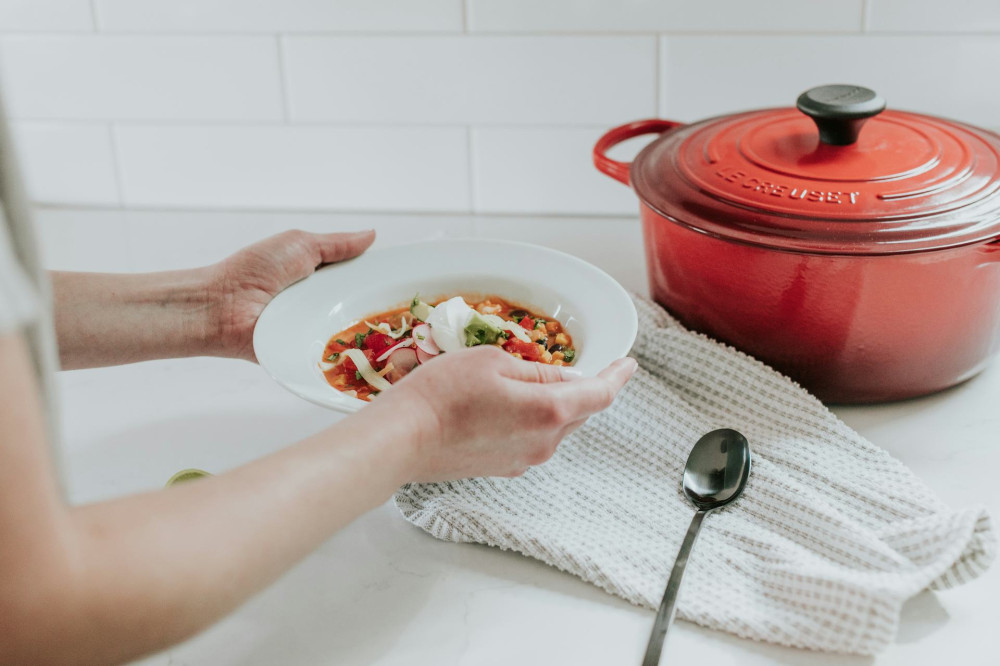
  • Try pressure cookers, slow cookers, or steamers, which use less energy and preserve nutrients.

If you’re upgrading appliances, look for ENERGY STAR®-certified models. They’re designed to use less electricity and water, and they often pay for themselves through lower utility bills.

Use Your Oven Wisely

The oven is one of the most energy-hungry appliances in the kitchen, but you can use it more efficiently with a few simple habits.

  • Cook multiple dishes at once when the oven is already hot.
  • Skip preheating unless it’s essential for baking.
  • Use convection mode (fan setting) to circulate air and allow for lower cooking temperatures.
  • Keep the door closed—every time you open it, the temperature drops and the oven has to reheat.

These small adjustments can significantly reduce your energy use over time.

Consider the Environmental Impact of Your Ingredients

Eco-friendly cooking isn’t just about how you cook—it’s also about what you cook.

  • Eat more plant-based meals—beans, grains, and vegetables generally have a much lower carbon footprint than meat.
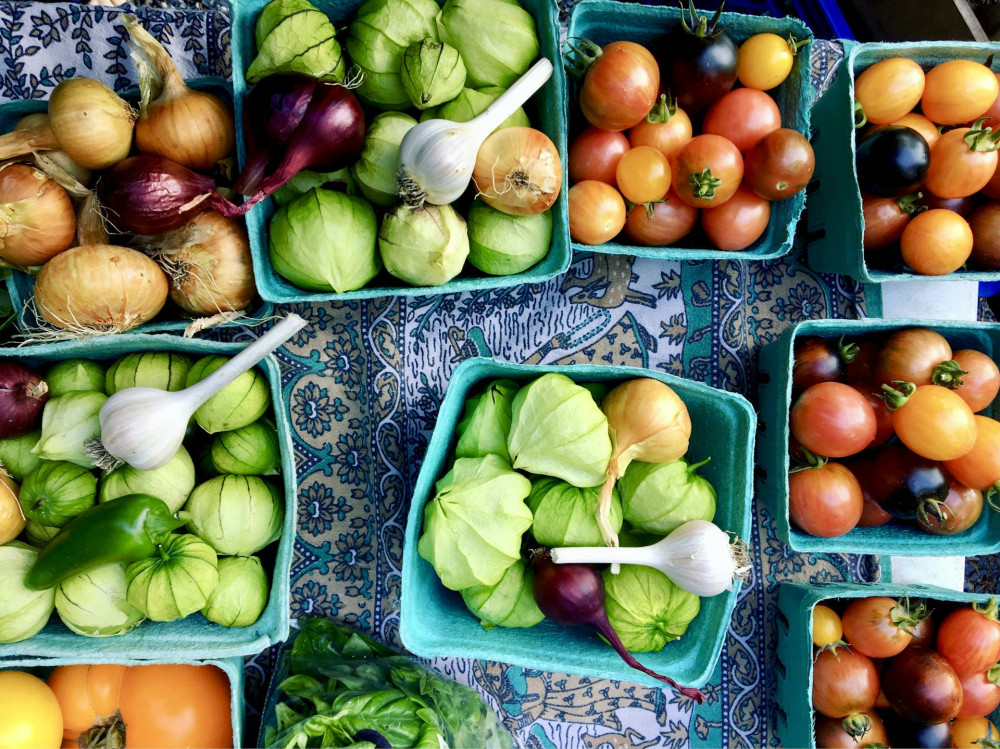
  • Buy seasonal produce, which is fresher, tastier, and requires less energy to grow and transport.
  • Shop local at farmers’ markets or through community-supported agriculture (CSA) programs to support local growers and reduce transportation emissions.
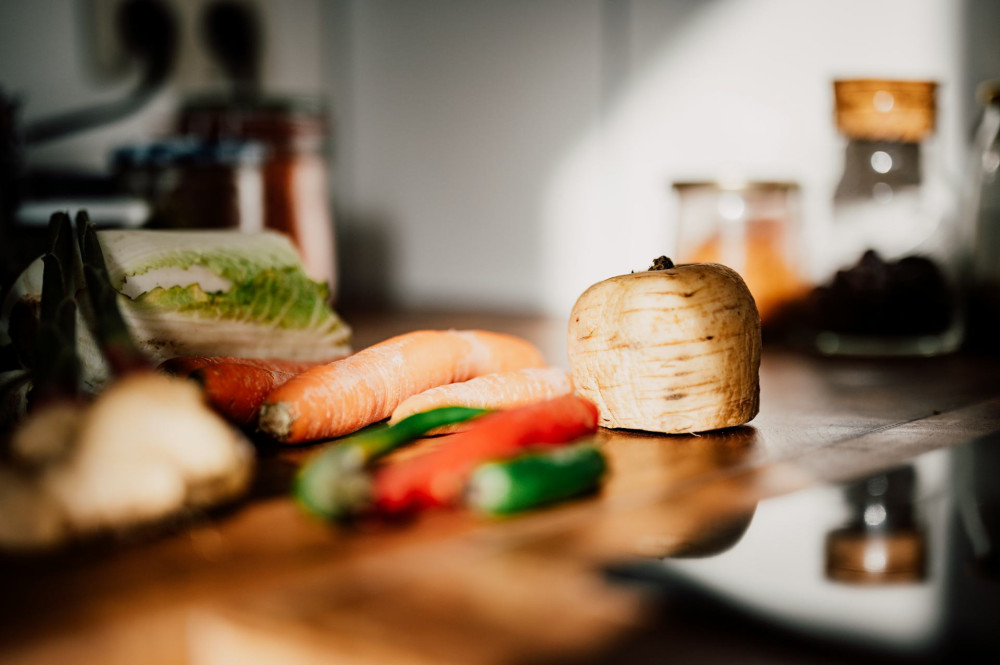
  • Use the whole ingredient—broccoli stems, carrot tops, and herb stems can all be turned into soups, stocks, or pestos.

Being mindful of where your food comes from helps you make choices that are better for both your health and the planet.

Clean Up the Green Way

Even after the meal is over, you can continue saving energy and resources.

  • Run the dishwasher only when it’s full, and use the eco or energy-saving cycle.
  • Scrape plates instead of rinsing them under running water.
  • Choose biodegradable or non-toxic cleaning products to protect waterways.
  • Air-dry dishes instead of using the heated drying function.

These small steps can make your kitchen routine more sustainable without adding extra work.

Make It a Habit—and Enjoy the Process

Eco-friendly cooking isn’t about giving things up—it’s about finding smarter, more mindful ways to cook and eat. Once these habits become part of your routine, they’ll feel effortless. You’ll save energy, money, and resources while gaining a deeper appreciation for the food you prepare.

In the end, sustainable cooking is an investment in your own well-being and the planet’s future. And the best part? It all starts right where you are—at home, in your kitchen.

Dietary Variety: The Path to More Energy and Less Fatigue
Discover how a diverse diet can boost your energy and keep fatigue at bay
Food boxes
Food boxes
Nutrition
Healthy Eating
Energy
Wellness
Lifestyle
7 min
Learn how adding variety to your meals can help you maintain steady energy levels, improve focus, and reduce tiredness throughout the day. This article explains why dietary diversity matters and offers simple tips for creating balanced, energizing meals.
Saoirse Fisher
Saoirse
Fisher
Eco-Friendly Cooking: How to Save Energy and Resources in the Kitchen
Simple ways to make your cooking more sustainable and energy-efficient
Food boxes
Food boxes
Sustainable Living
Eco-Friendly Cooking
Energy Saving
Green Kitchen
Food Waste Reduction
4 min
Discover how small adjustments in your kitchen can lead to big environmental benefits. Learn practical tips for reducing food waste, saving energy, and choosing eco-friendly ingredients—without compromising on taste or convenience.
Jonah Phillips
Jonah
Phillips
Cooking on a Budget – How to Make It a Creative and Positive Experience
Discover how saving money in the kitchen can spark creativity and joy
Food boxes
Food boxes
Budget Cooking
Creative Recipes
Home Cooking
Sustainable Living
Food Inspiration
7 min
Learn how to make cooking on a budget a fun and fulfilling experience. With smart planning, clever ingredient choices, and a positive mindset, you can create delicious meals that are kind to both your wallet and the planet.
Blake Scott
Blake
Scott
Structure in Everyday Life: How a Set Routine Makes Meal Planning Easier
Discover how a simple routine can turn meal planning from a daily hassle into a smooth, stress-free habit
Food boxes
Food boxes
Meal Planning
Routine
Family Life
Time Management
Healthy Eating
3 min
Meal planning doesn’t have to be overwhelming. By adding structure and setting a routine, you can save time, reduce food waste, and make dinnertime more enjoyable for the whole family. Learn practical ways to bring order and ease to your weekly meals.
Violet Hernandez
Violet
Hernandez
Wild or Cultivated? The Taste of Nature’s Diversity
Discover how the origin of your food shapes its flavor and story
Food
Food
Food Culture
Wild Food
Culinary Exploration
Sustainability
Taste
3 min
From forest-picked berries to carefully cultivated vegetables, the taste of what we eat reveals the interplay between nature and human touch. Explore how wild and farmed foods differ in flavor, texture, and meaning—and what that says about our connection to the natural world.
Emory Chavez
Emory
Chavez
Food Culture Across Regions: Local Dishes with Proud Traditions
Discover how America’s regional flavors tell stories of history, heritage, and community
Food
Food
Food Culture
Regional Cuisine
American Traditions
Local Dishes
Culinary Heritage
3 min
From coastal seafood traditions to hearty Midwestern fare and spicy Southwestern creations, explore how local dishes across the United States reflect the landscapes and cultures that shaped them. This journey through regional food culture celebrates the pride and diversity found at every table.
Saoirse Fisher
Saoirse
Fisher
Healthy Eating Habits for the Whole Family – Without Stress or Conflict
Turn family meals into moments of joy, balance, and connection
Food
Food
Healthy Eating
Family Life
Nutrition
Parenting
Wellness
4 min
Discover how to make healthy eating a natural and enjoyable part of everyday family life. With simple planning, a positive atmosphere, and a focus on balance rather than restrictions, you can reduce mealtime stress and help everyone eat well—together.
Jonah Phillips
Jonah
Phillips