Dietary Variety: The Path to More Energy and Less Fatigue

Discover how a diverse diet can boost your energy and keep fatigue at bay
Food boxes
Food boxes
7 min
Learn how adding variety to your meals can help you maintain steady energy levels, improve focus, and reduce tiredness throughout the day. This article explains why dietary diversity matters and offers simple tips for creating balanced, energizing meals.
Saoirse Fisher
Saoirse
Fisher

Dietary Variety: The Path to More Energy and Less Fatigue

Discover how a diverse diet can boost your energy and keep fatigue at bay
Food boxes
Food boxes
7 min
Learn how adding variety to your meals can help you maintain steady energy levels, improve focus, and reduce tiredness throughout the day. This article explains why dietary diversity matters and offers simple tips for creating balanced, energizing meals.
Saoirse Fisher
Saoirse
Fisher

Most of us know the feeling of hitting an energy slump in the middle of the day—even after a full night’s sleep. We often reach for a quick fix like coffee or a sugary snack, but the real solution lies in what we eat. A varied diet is key to steady energy, sharper focus, and less fatigue. Here’s why dietary variety matters and how you can easily bring more balance to your meals.

Why Variety Matters

Your body needs a wide range of nutrients to function at its best. Vitamins, minerals, fiber, protein, and healthy fats each play a role in everything from energy production to immune defense. When we eat the same foods over and over—say, too much bread, pasta, or meat—we risk missing out on essential nutrients.

Variety isn’t just about eating “healthy” foods; it’s about giving your body what it needs in the right amounts and from different sources. That means rotating your vegetables, grains, protein sources, and fats throughout the week.

Color on the Plate Means Energy

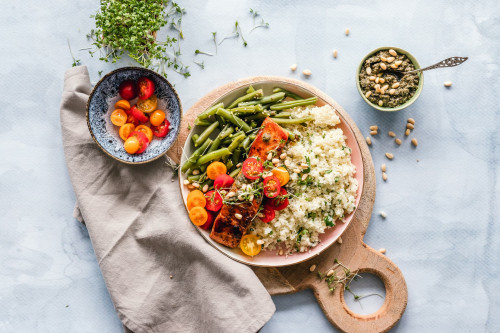
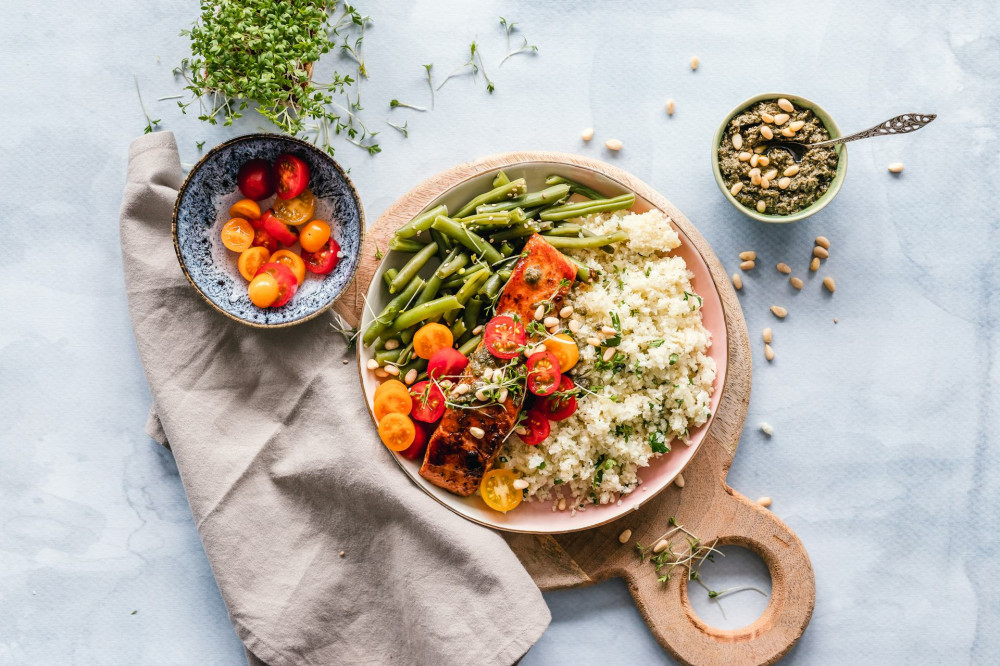
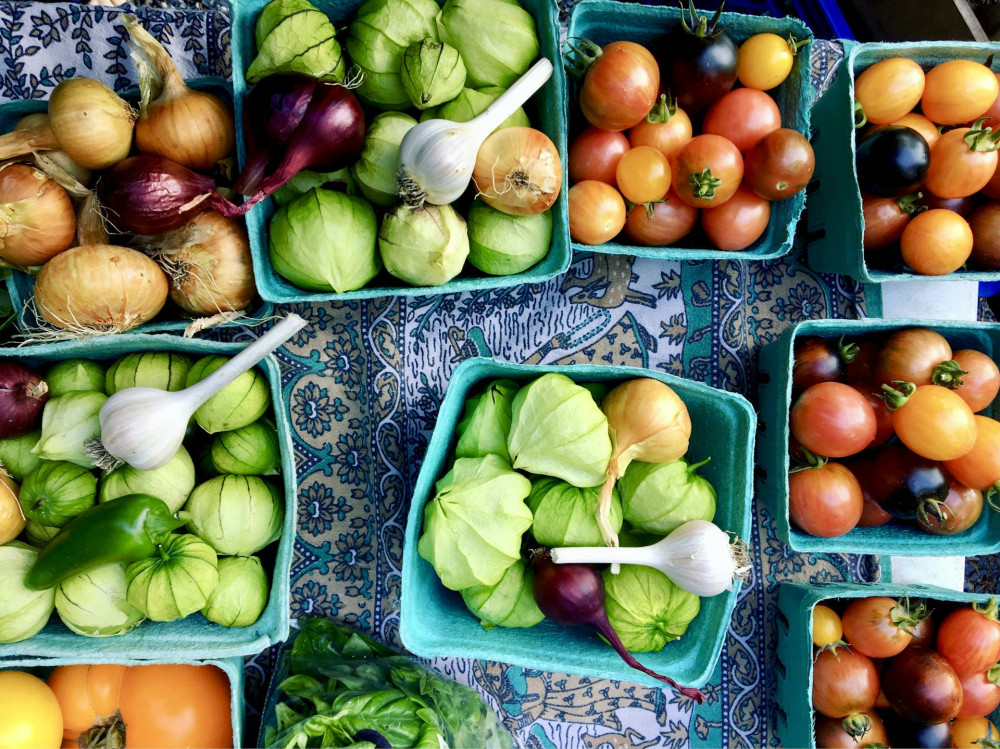
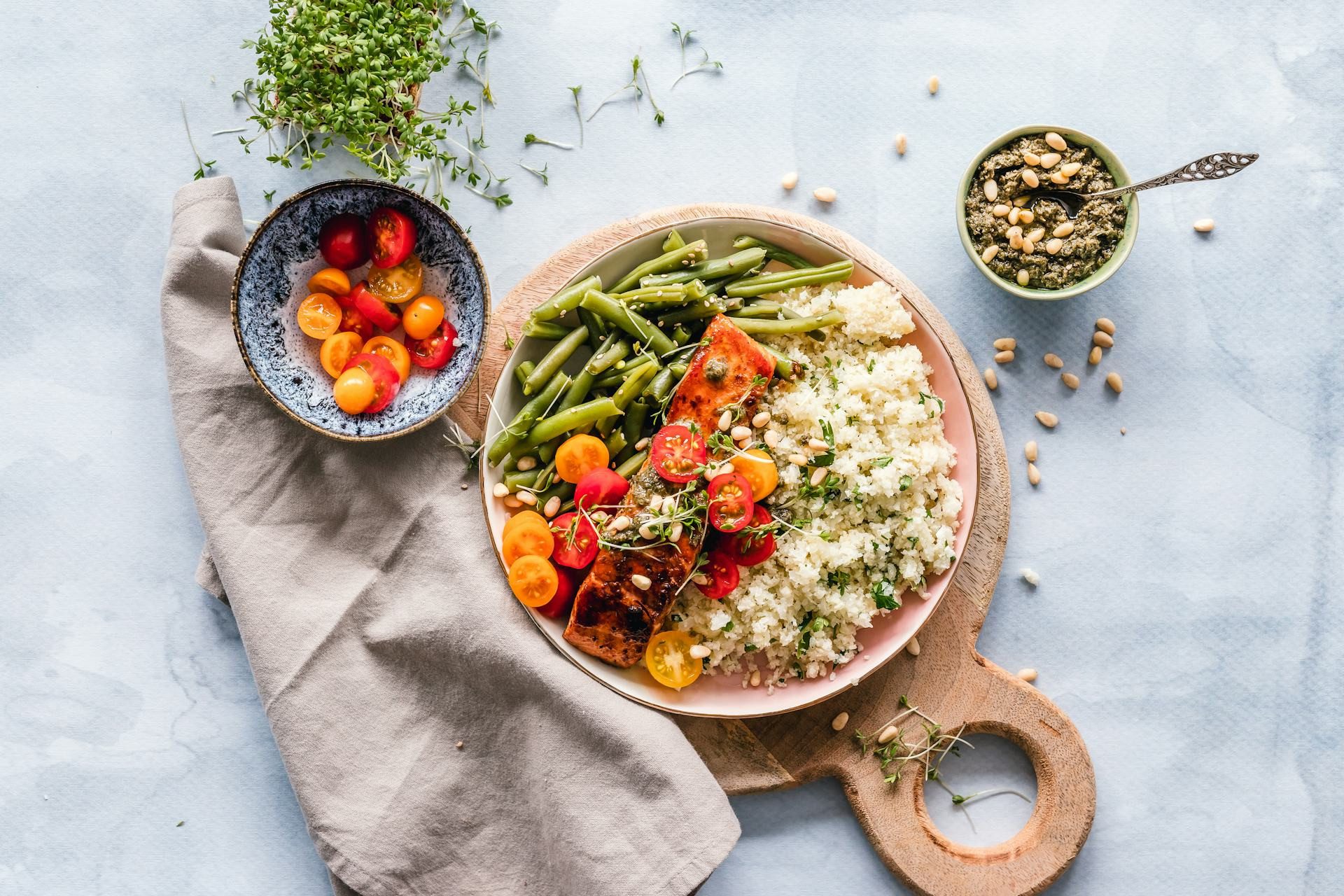
A simple way to add variety is to think in colors. The more colors on your plate, the more nutrients you’re likely to get. Green vegetables like spinach and broccoli are rich in iron and magnesium, while orange and red ones like carrots and bell peppers are packed with vitamins A and C.

Let color guide your grocery shopping: pick up a new vegetable you haven’t tried before and let it inspire a new recipe. It makes your meals not only healthier but also more exciting.

Mix Up Your Protein Sources

Protein is the body’s building block and a key source of energy, but many Americans get most of it from meat. By varying your protein sources, you’ll get a broader range of nutrients and support a more sustainable diet.

  • Fish – rich in omega-3 fatty acids that support heart and brain health.
  • Legumes – beans, lentils, and chickpeas provide both protein and fiber.
  • Eggs and dairy – great sources of protein and calcium.
  • Nuts and seeds – small but packed with healthy fats and energy.

A good rule of thumb is to make at least one meal a week vegetarian. It adds variety and can be easier on your digestion.

Quality Carbohydrates for Steady Energy

Carbohydrates are your body’s main energy source, but not all carbs are created equal. Refined products like white bread and sugary snacks give you a quick burst of energy—followed by a crash. Whole grains, vegetables, and fruits release energy more slowly, keeping your blood sugar stable.

Try rotating your carb sources: oatmeal, brown rice, quinoa, whole-grain bread, and sweet potatoes. You’ll enjoy more flavor and a steadier energy level throughout the day.

The Right Fats Are Essential

Fats have long had a bad reputation, but your body actually needs them. The key is choosing the right kinds. Unsaturated fats from fish, nuts, avocados, and olive oil help protect your heart and support brain function.

Use olive oil instead of butter, sprinkle nuts on your salad, or enjoy half an avocado as a snack. Small changes like these can make a big difference in your energy and overall well-being.

Planning Makes It Simple

Eating a varied diet doesn’t mean spending hours in the kitchen. With a little planning, you can easily create balance. Make a weekly meal plan that rotates your main ingredients—fish on Monday, chicken on Wednesday, vegetarian on Friday. Use leftovers creatively and freeze portions so you always have healthy meals ready.

Meal kit services can also be a great way to discover new recipes and ensure variety without having to plan every detail yourself.

Listen to Your Body

Dietary variety isn’t just about nutrition—it’s also about awareness. Some days you’ll need more energy, other days less. By eating a diverse range of foods and paying attention to how your body responds, you can find the rhythm that works best for you.

When you give your body the right building blocks, it rewards you with more energy, better focus, and less fatigue—every single day.

Dietary Variety: The Path to More Energy and Less Fatigue
Discover how a diverse diet can boost your energy and keep fatigue at bay
Food boxes
Food boxes
Nutrition
Healthy Eating
Energy
Wellness
Lifestyle
7 min
Learn how adding variety to your meals can help you maintain steady energy levels, improve focus, and reduce tiredness throughout the day. This article explains why dietary diversity matters and offers simple tips for creating balanced, energizing meals.
Saoirse Fisher
Saoirse
Fisher
Eco-Friendly Cooking: How to Save Energy and Resources in the Kitchen
Simple ways to make your cooking more sustainable and energy-efficient
Food boxes
Food boxes
Sustainable Living
Eco-Friendly Cooking
Energy Saving
Green Kitchen
Food Waste Reduction
4 min
Discover how small adjustments in your kitchen can lead to big environmental benefits. Learn practical tips for reducing food waste, saving energy, and choosing eco-friendly ingredients—without compromising on taste or convenience.
Jonah Phillips
Jonah
Phillips
Cooking on a Budget – How to Make It a Creative and Positive Experience
Discover how saving money in the kitchen can spark creativity and joy
Food boxes
Food boxes
Budget Cooking
Creative Recipes
Home Cooking
Sustainable Living
Food Inspiration
7 min
Learn how to make cooking on a budget a fun and fulfilling experience. With smart planning, clever ingredient choices, and a positive mindset, you can create delicious meals that are kind to both your wallet and the planet.
Blake Scott
Blake
Scott
Structure in Everyday Life: How a Set Routine Makes Meal Planning Easier
Discover how a simple routine can turn meal planning from a daily hassle into a smooth, stress-free habit
Food boxes
Food boxes
Meal Planning
Routine
Family Life
Time Management
Healthy Eating
3 min
Meal planning doesn’t have to be overwhelming. By adding structure and setting a routine, you can save time, reduce food waste, and make dinnertime more enjoyable for the whole family. Learn practical ways to bring order and ease to your weekly meals.
Violet Hernandez
Violet
Hernandez
Wild or Cultivated? The Taste of Nature’s Diversity
Discover how the origin of your food shapes its flavor and story
Food
Food
Food Culture
Wild Food
Culinary Exploration
Sustainability
Taste
3 min
From forest-picked berries to carefully cultivated vegetables, the taste of what we eat reveals the interplay between nature and human touch. Explore how wild and farmed foods differ in flavor, texture, and meaning—and what that says about our connection to the natural world.
Emory Chavez
Emory
Chavez
Food Culture Across Regions: Local Dishes with Proud Traditions
Discover how America’s regional flavors tell stories of history, heritage, and community
Food
Food
Food Culture
Regional Cuisine
American Traditions
Local Dishes
Culinary Heritage
3 min
From coastal seafood traditions to hearty Midwestern fare and spicy Southwestern creations, explore how local dishes across the United States reflect the landscapes and cultures that shaped them. This journey through regional food culture celebrates the pride and diversity found at every table.
Saoirse Fisher
Saoirse
Fisher
Healthy Eating Habits for the Whole Family – Without Stress or Conflict
Turn family meals into moments of joy, balance, and connection
Food
Food
Healthy Eating
Family Life
Nutrition
Parenting
Wellness
4 min
Discover how to make healthy eating a natural and enjoyable part of everyday family life. With simple planning, a positive atmosphere, and a focus on balance rather than restrictions, you can reduce mealtime stress and help everyone eat well—together.
Jonah Phillips
Jonah
Phillips