Dietary Guidelines as Inspiration: Eat a Variety with a Focus on Flavor and Enjoyment


Dietary Guidelines as Inspiration: Eat a Variety with a Focus on Flavor and Enjoyment
The official Dietary Guidelines for Americans are more than a set of health recommendations—they can also serve as inspiration for how we cook, eat, and enjoy food. Behind the advice lies a simple idea: eat a variety of foods, savor what you eat, and find pleasure in healthy habits. When we view the guidelines as a source of creativity rather than a list of rules, it becomes easier to build a lifestyle where good nutrition and enjoyment go hand in hand.
Variety as the Key to Health and Taste
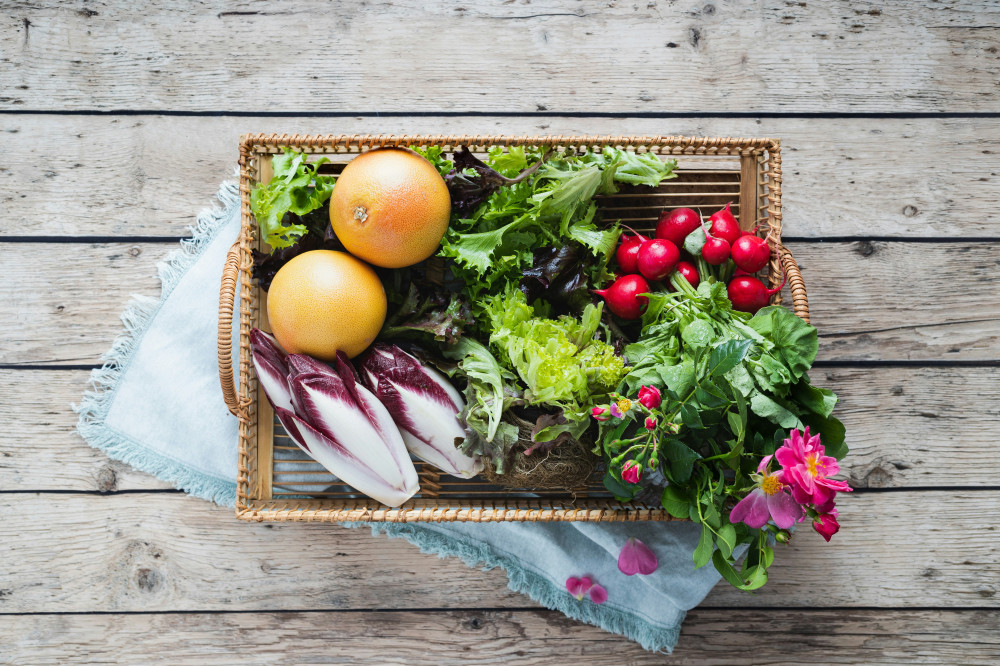
Eating a variety of foods doesn’t mean you have to prepare something completely new every day. It’s about including different ingredients over time—colorful vegetables, whole grains, seafood, beans, nuts, and lean proteins. By mixing things up, you naturally get a wider range of nutrients and keep your meals interesting.
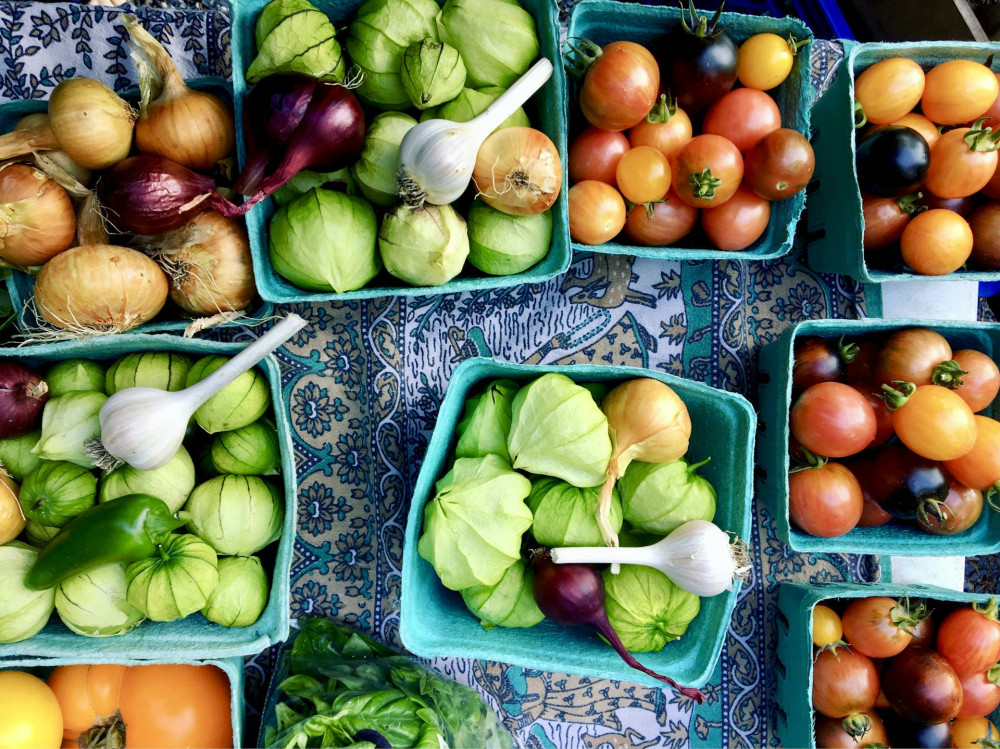
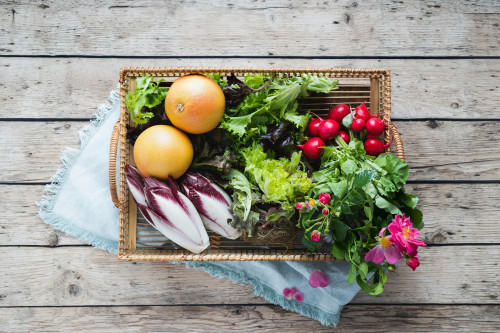
A great way to start is by eating with the seasons. In summer, enjoy fresh tomatoes, corn, and berries; in fall, turn to squash, apples, and root vegetables. Seasonal produce not only tastes better but also supports local farmers and reduces your environmental footprint.
Læs også:

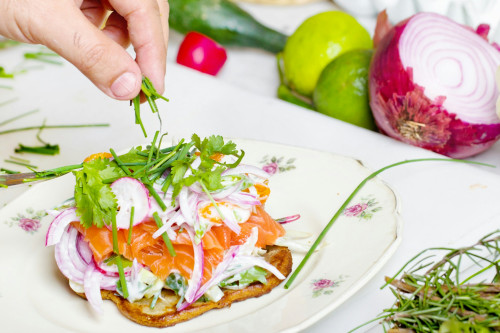
Make Vegetables the Star of the Plate
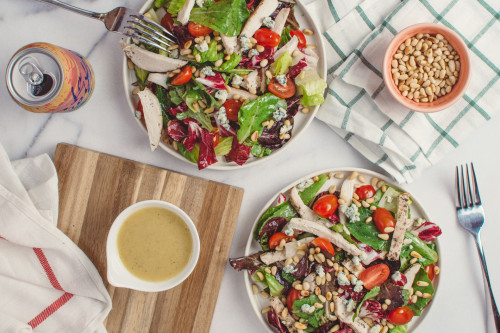
One of the core messages in the Dietary Guidelines is to fill half your plate with fruits and vegetables. But that doesn’t mean they have to be a boring side dish. With the right preparation, vegetables can easily take center stage.
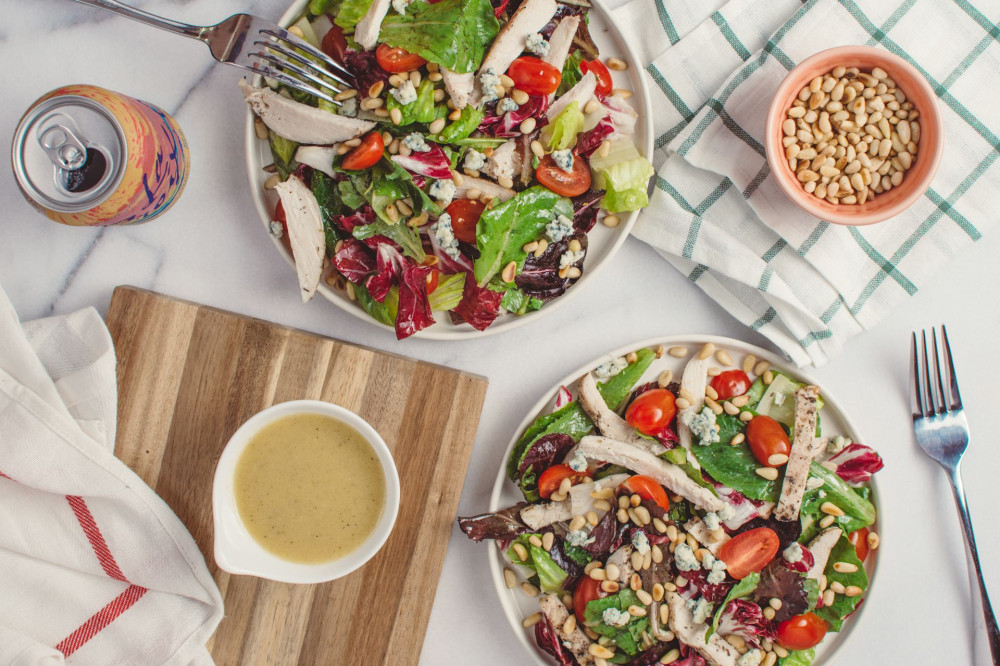
Try roasting carrots and sweet potatoes with herbs, making a hearty chili with beans and peppers, or tossing kale and citrus in a bright salad. When you play with texture, color, and flavor, vegetables become both satisfying and exciting.
Think in terms of “vegetable-forward” meals rather than “meat with a side of veggies.” This approach makes it easier to eat more plant-based foods—without sacrificing taste or satisfaction.
Seafood, Legumes, and Whole Grains – Variety in Practice
The guidelines encourage eating seafood twice a week and choosing whole grains over refined ones. That might sound like a big change, but small steps can make a big difference.
- Replace part of the meat in tacos or pasta sauce with lentils or black beans for extra fiber and protein.
- Choose whole-grain bread, pasta, or brown rice instead of white varieties.
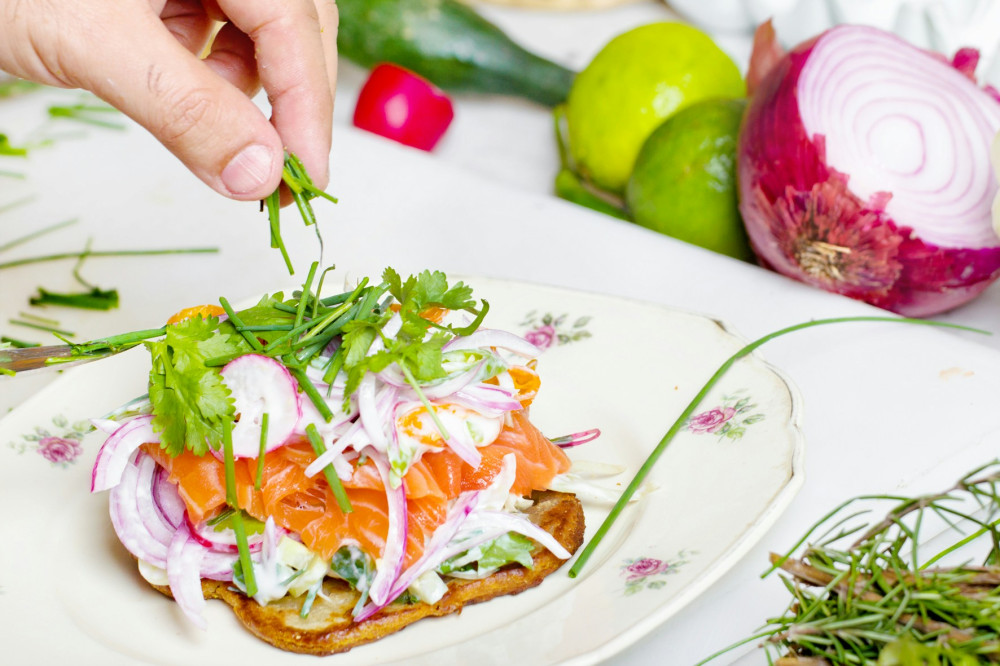
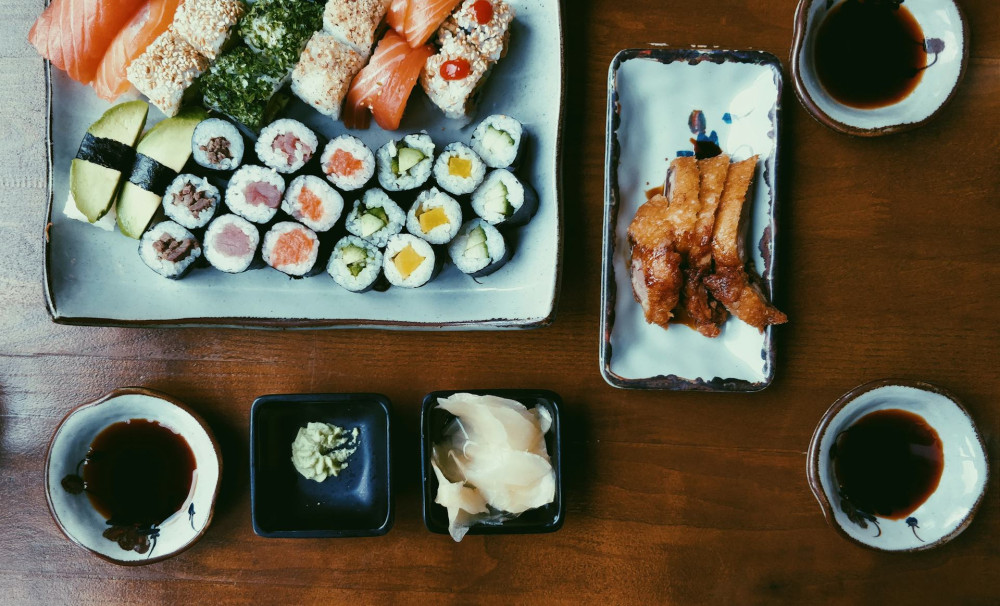
- Experiment with different types of fish—salmon, trout, or cod are all nutritious and widely available.
Exploring new ingredients can open the door to fresh flavors and make healthy eating more enjoyable.
Enjoyment as a Driving Force
Good nutrition isn’t just about nutrients—it’s also about how we experience food. Taking time to sit down, appreciate the aroma, and enjoy a meal with others can make eating more satisfying. When we eat mindfully, we’re more likely to notice when we’re full and to truly enjoy what we’re eating.
That also means there’s room for everything. A slice of pie, a favorite cheese, or a glass of wine can fit into a healthy lifestyle when enjoyed in moderation. Balance, not restriction, is what leads to sustainable habits.
Small Steps Toward a Better Everyday
Changing eating habits can feel overwhelming, but you don’t have to do it all at once. Start small—add an extra vegetable to dinner, swap white bread for whole grain, or try a new recipe with beans or fish. Over time, these small steps add up to lasting change.
Most importantly, find joy in the process. When you see the Dietary Guidelines as inspiration rather than obligation, healthy eating becomes a natural, enjoyable part of daily life—something to look forward to, not something to check off a list.
Læs også: