Heart-Healthy Diet: How to Plan Your Daily Meals

Heart-Healthy Diet: How to Plan Your Daily Meals
A healthy heart starts with what’s on your plate. The foods you choose every day can make a big difference in your blood pressure, cholesterol levels, and long-term heart health. A heart-healthy diet isn’t about strict rules—it’s about making smart choices that support your body’s natural balance. Here’s a guide to planning daily meals that are both delicious and good for your heart.
The Basics of a Heart-Healthy Diet
A heart-healthy diet is built on three simple principles: more plants, less salt, and the right kinds of fats. These choices help protect your arteries, manage cholesterol, and keep your blood pressure in check.
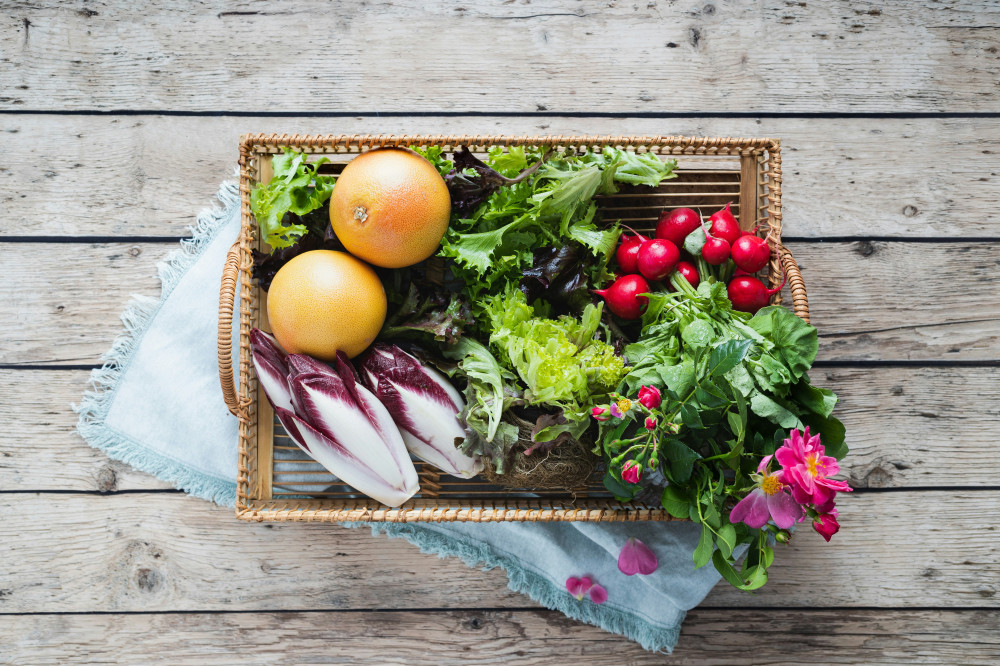
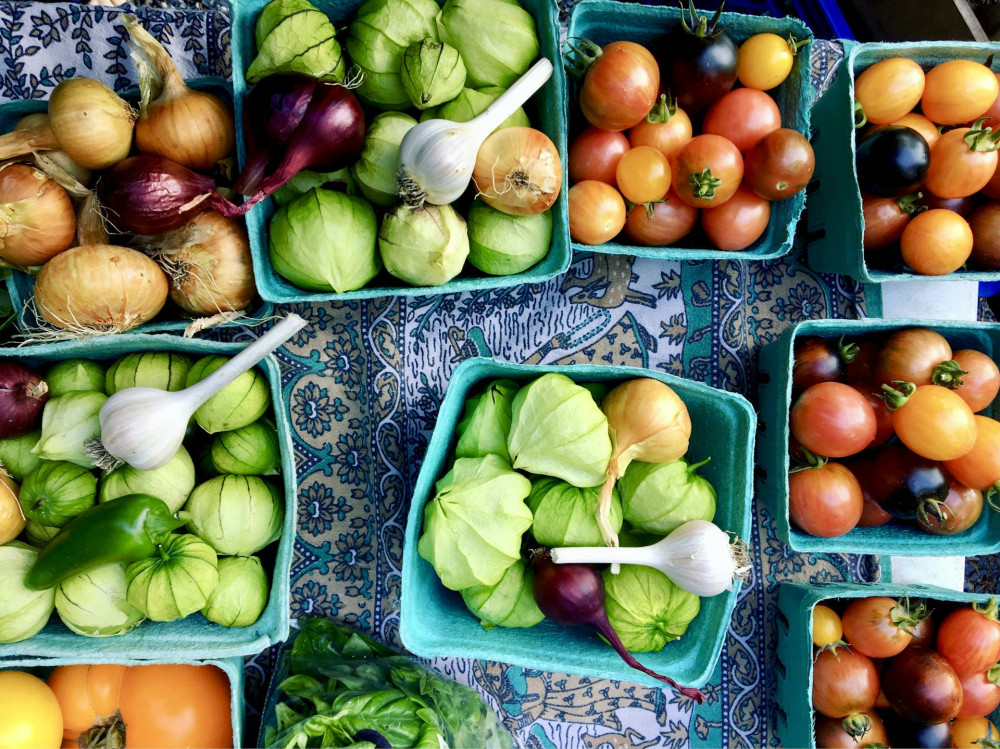
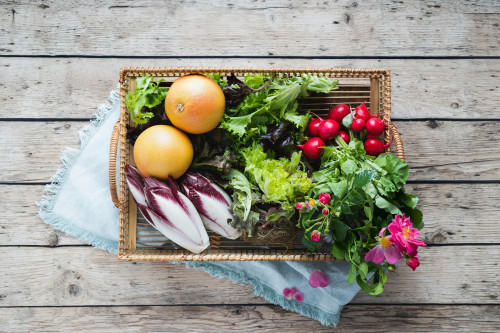
- Eat plenty of fruits and vegetables – They’re rich in fiber, antioxidants, and vitamins that support circulation and reduce inflammation.
- Choose whole grains – Oats, brown rice, whole-wheat bread, and quinoa help lower cholesterol and stabilize blood sugar.
- Use healthy fats – Replace butter and shortening with plant-based oils like olive, canola, or avocado oil.
- Cut back on salt and added sugar – Too much sodium raises blood pressure, while excess sugar contributes to weight gain and inflammation.
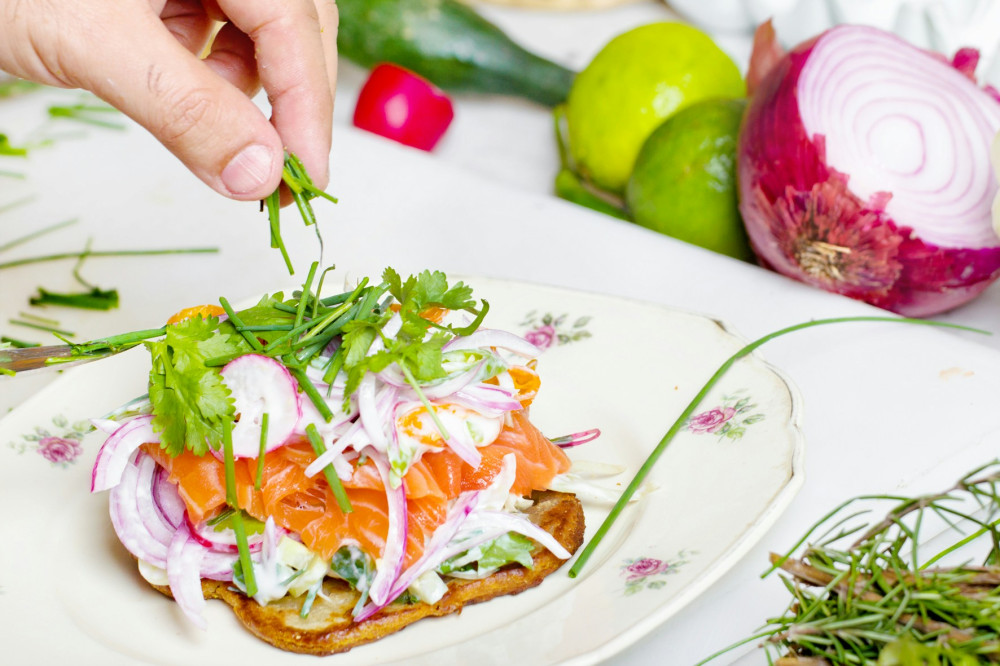
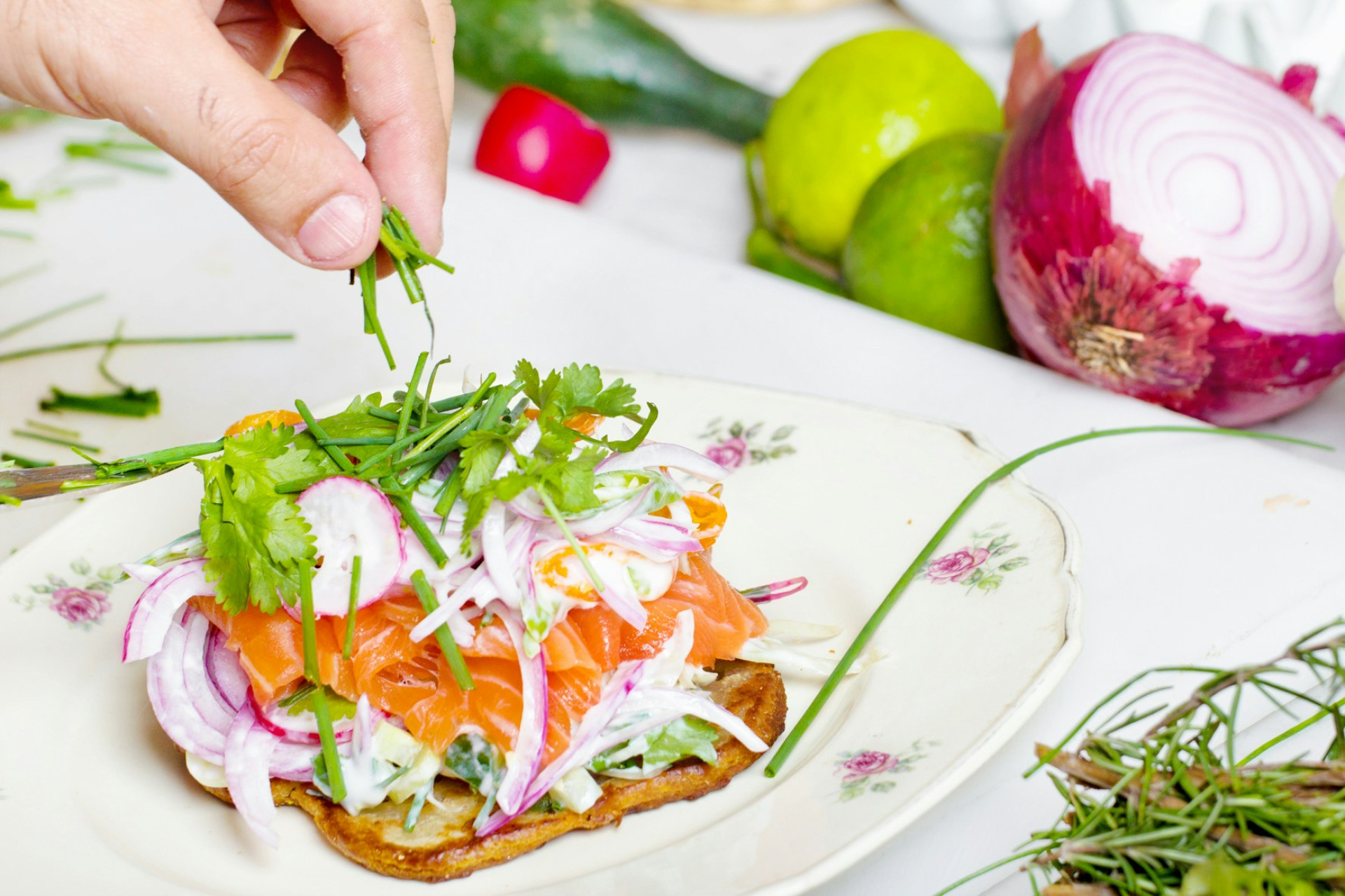
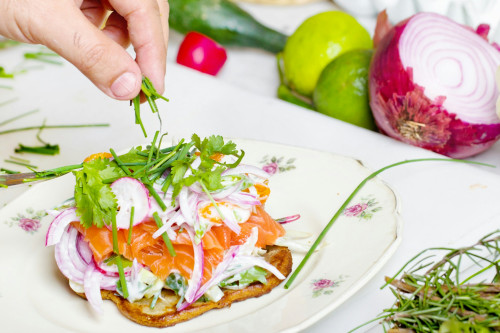
- Include fish twice a week – Fatty fish such as salmon, trout, or sardines provide omega-3 fatty acids that protect the heart.
With these principles in mind, you can easily plan meals that are satisfying and supportive of long-term heart health.
Breakfast: A Strong Start for Your Heart
Breakfast sets the tone for the day. A heart-healthy breakfast should provide steady energy without too much sugar or saturated fat.
Try these ideas:
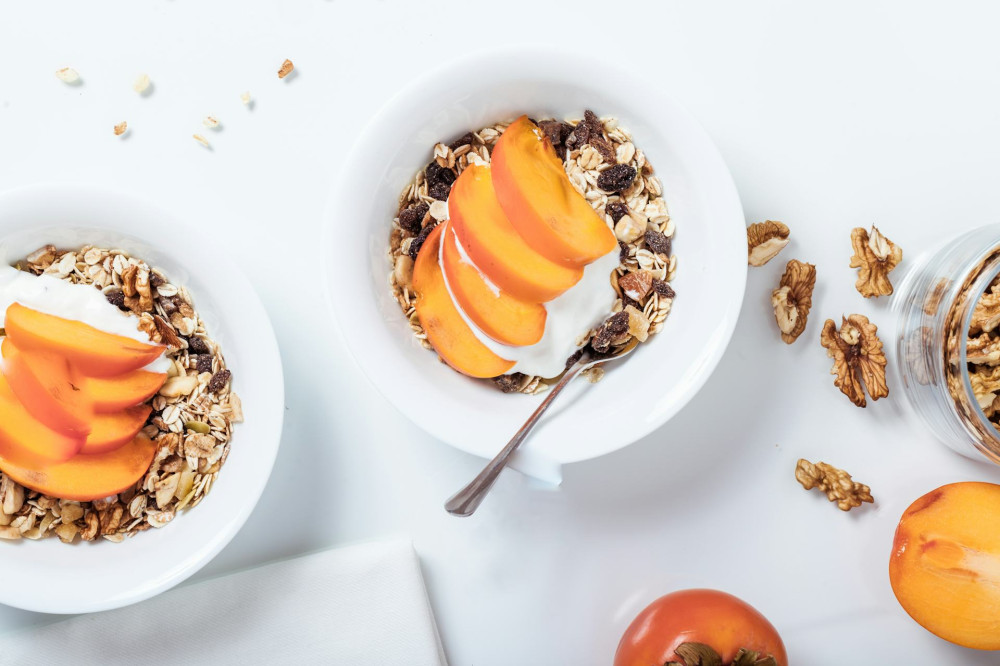
- Oatmeal topped with berries and nuts – Oats contain beta-glucan, a type of fiber that helps lower cholesterol, while berries and nuts add antioxidants and healthy fats.
- Whole-grain toast with avocado and tomato – A simple, fiber-rich combination that provides potassium and unsaturated fats.
- Plain yogurt with fruit and seeds – Choose unsweetened yogurt and add natural sweetness with fresh fruit.
Skip sugary cereals and pastries, and opt for whole, minimally processed foods that keep you full longer.
Lunch: Light, Filling, and Full of Fiber
Lunch should refuel you without weighing you down. Combine vegetables, whole grains, and lean proteins for a balanced mid-day meal.
Good options include:
- Whole-grain sandwich with tuna or grilled chicken – Add plenty of veggies and use olive oil or mustard instead of mayonnaise.
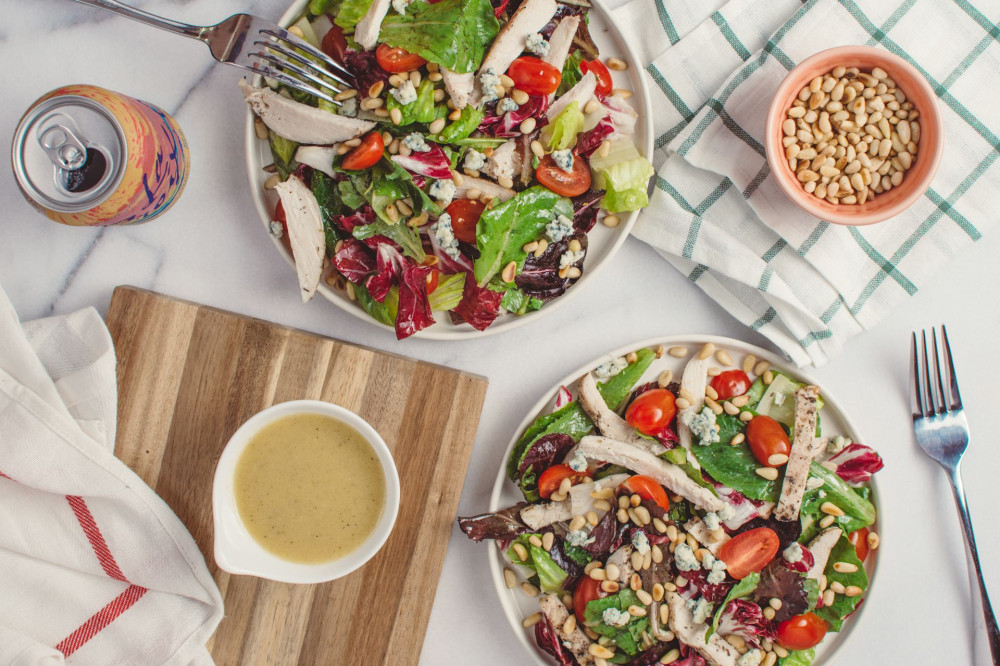
- Salad with beans, lentils, or salmon – A mix of plant protein and greens keeps you energized.
- Vegetable soup with whole-grain crackers – Warm, satisfying, and packed with fiber.
A quick tip: use vinaigrettes made with olive oil and herbs instead of creamy dressings to add flavor and healthy fats.
Dinner: Balance on the Plate
Dinner is often the largest meal of the day, so aim for balance. Fill half your plate with vegetables, one-quarter with whole grains, and one-quarter with lean protein.
Heart-healthy dinner ideas:
- Baked salmon with quinoa and steamed broccoli
- Grilled chicken in tomato sauce with whole-wheat pasta and a side salad
- Vegetarian chili with beans, sweet potatoes, and spices
Use herbs, garlic, citrus, and spices instead of salt to enhance flavor. These add freshness and help keep sodium intake low.
Snacks: Smart Choices Between Meals
Keeping your blood sugar steady throughout the day supports heart health. Choose snacks that provide nutrients, not empty calories.
- A handful of unsalted nuts
- A piece of fresh fruit
- Veggie sticks with hummus
- A small bowl of low-fat Greek yogurt with berries
These snacks help prevent overeating later and keep your energy levels stable.
Læs også:
Beverages: What to Drink
Water is always the best choice. Coffee and tea can fit into a heart-healthy diet, but go easy on sugar and cream. If you drink alcohol, do so in moderation—no more than one drink per day for women and two for men, according to U.S. dietary guidelines. Remember, you don’t need alcohol for a healthy heart.
Small Changes, Big Results
Eating for heart health doesn’t mean changing everything overnight. Start small: swap butter for olive oil, add an extra serving of vegetables, or choose whole-grain bread instead of white. Over time, these small steps become habits—and your heart will thank you for them.
Læs også: