Small Dietary Changes Today – Big Impact on a Sustainable Climate Tomorrow

Small Dietary Changes Today – Big Impact on a Sustainable Climate Tomorrow
What we eat has a bigger impact on the planet than most of us realize. Our food choices influence greenhouse gas emissions, water use, and how we manage the Earth’s resources. The good news is that eating in a more climate-friendly way doesn’t require drastic sacrifices. Even small, everyday changes can make a meaningful difference. Here are some simple ways to start building a more sustainable future—one meal at a time.
Try One Meatless Day a Week
Beef and lamb are among the foods with the highest carbon footprints. By skipping meat just one day a week, you can significantly reduce your environmental impact—without giving up flavor or satisfaction.
Try swapping meat for beans, lentils, or chickpeas in your favorite dishes. A hearty vegetable chili, lentil tacos, or a creamy chickpea curry can quickly become new household favorites. Many people find that going meatless adds variety and new flavors to their weekly meals.
Læs også:


Eat More Seasonal Produce
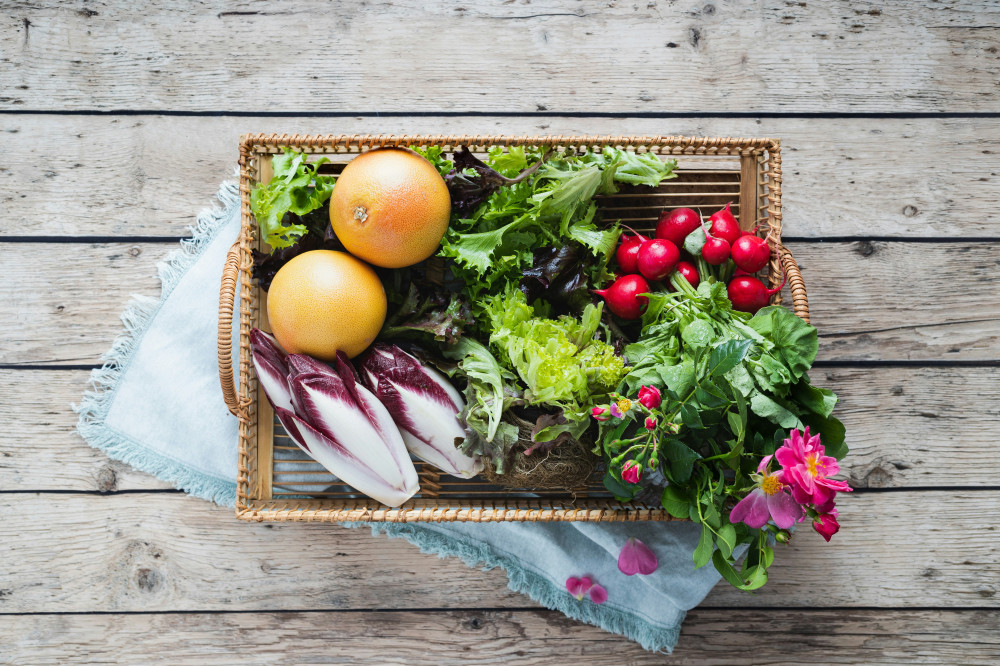
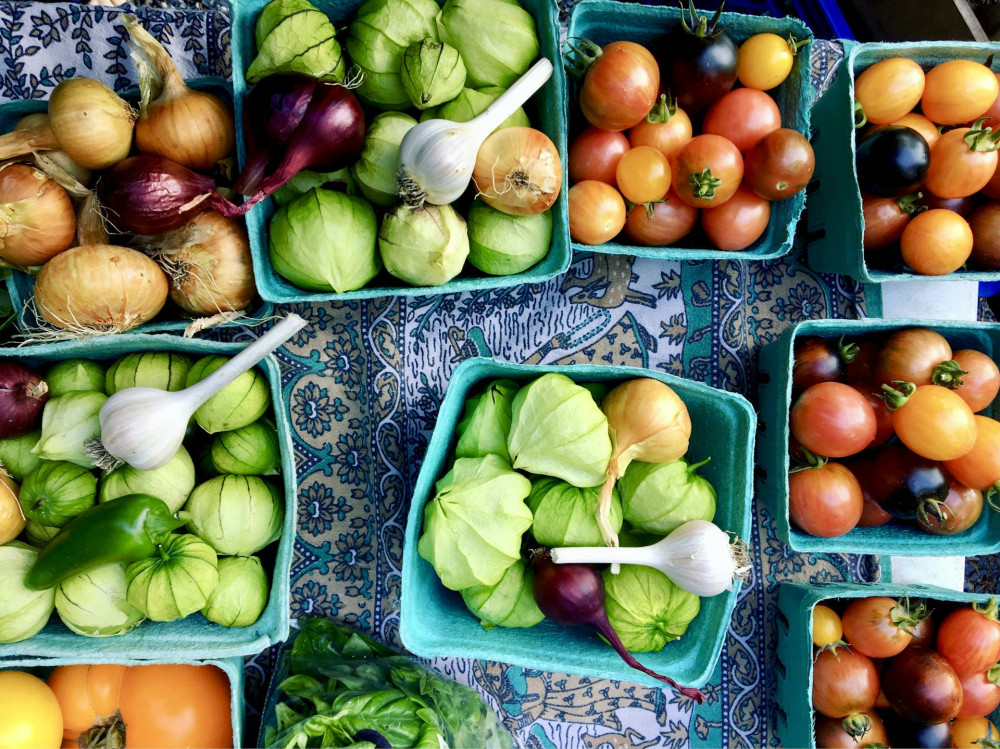
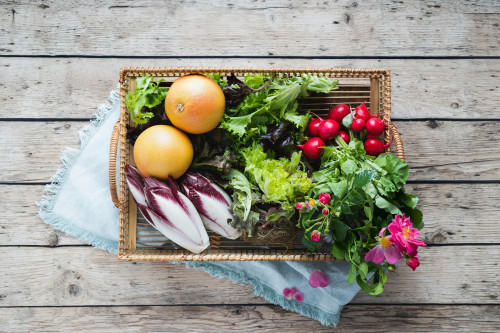
Choosing fruits and vegetables that are in season means fresher ingredients and a smaller climate footprint. Produce grown locally and in season requires less energy for transportation and storage compared to items shipped from across the country or grown in heated greenhouses.
In the U.S., summer brings an abundance of tomatoes, berries, and sweet corn, while fall offers squash, apples, and root vegetables. Planning meals around what’s in season not only supports local farmers but also keeps your diet naturally diverse and flavorful.
Cut Down on Food Waste
About one-third of all food produced globally ends up wasted. That means wasted energy, water, and resources. At home, you can make a big difference by planning your meals, shopping mindfully, and using leftovers creatively.
Check your fridge before heading to the store, freeze extra portions, and turn leftovers into new meals. For example, roasted vegetables can become a soup or grain bowl, and stale bread can be transformed into croutons or breadcrumbs. Reducing food waste saves both money and the planet.
Choose Local and Sustainable Products
Buying locally produced food reduces transportation emissions and supports your community’s economy. When possible, look for products labeled organic or sustainably grown—these often promote healthier soil and biodiversity.
You don’t have to buy everything local or organic, but prioritizing these options when you can makes a difference. Farmers’ markets, community-supported agriculture (CSA) programs, and local co-ops are great places to find fresh, climate-friendly ingredients.
Rethink Your Drinks
Beverages like coffee, wine, and soda can have a surprisingly large carbon footprint. Tap water, on the other hand, is inexpensive, healthy, and environmentally friendly. If you’re a coffee lover, consider choosing beans from roasters that source sustainably and support fair trade practices.
Another easy step is to cut down on single-use bottles. Carry a reusable water bottle and refill it throughout the day. It’s a small habit that quickly becomes second nature—and helps reduce plastic waste.
Make Green Choices Easy
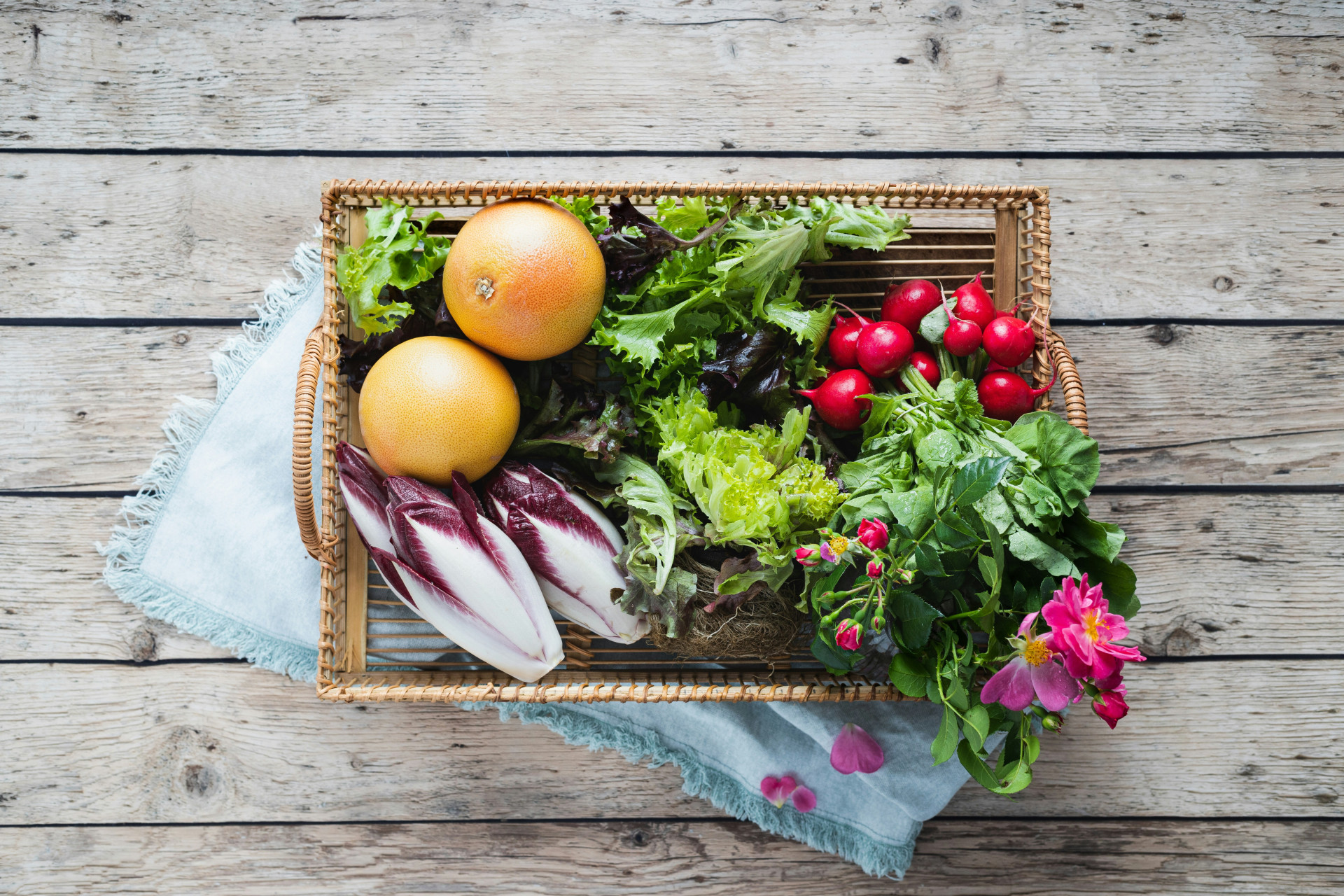
Sustainable eating is often about convenience. Keep fruits and vegetables visible and ready to eat—store them at eye level in the fridge or in a bowl on the counter. Prepping ingredients ahead of time, like washing greens or chopping veggies, makes it easier to choose them when you’re in a hurry.
Small preparations like these help turn good intentions into lasting habits. The easier it is to make the sustainable choice, the more likely you are to stick with it.
Small Steps, Big Results
Changing eating habits can feel overwhelming, but the key is to start small. Every time you choose plant-based meals, reduce food waste, or buy local, you’re contributing to a healthier planet.
When millions of people take small steps in the same direction, the collective impact is enormous. And along the way, you might discover that sustainable choices bring more flavor, health, and joy to your everyday life.
Læs også: