Healthy Food Traditions Around the World: What We Can Learn from Other Cuisines

Healthy Food Traditions Around the World: What We Can Learn from Other Cuisines
Food is more than just fuel—it’s culture, community, and identity. Around the world, people have developed food traditions that not only taste delicious but also promote long-term health and well-being. By looking at how other cultures eat, we can gain valuable insights into nutrition, lifestyle, and the social meaning of meals. Here’s a look at some of the world’s healthiest food traditions—and what we in the U.S. can learn from them.
The Mediterranean Diet – Balance and Pleasure in One
When it comes to healthy eating, the Mediterranean diet is often the first that comes to mind. It’s based on fresh ingredients like vegetables, fruits, whole grains, legumes, fish, and olive oil, with meat eaten less frequently and meals enjoyed in good company.
Research has shown that this way of eating can reduce the risk of heart disease, diabetes, and certain cancers. But it’s not just about the ingredients—it’s also about the attitude toward food. In Southern Europe, meals are social events, eaten slowly and with conversation. This mindful approach supports digestion and satisfaction.
What we can learn: Eat more vegetables and fish, use olive oil as your main fat source, and take time to enjoy meals with others.
Japanese Washoku – Respect for Ingredients
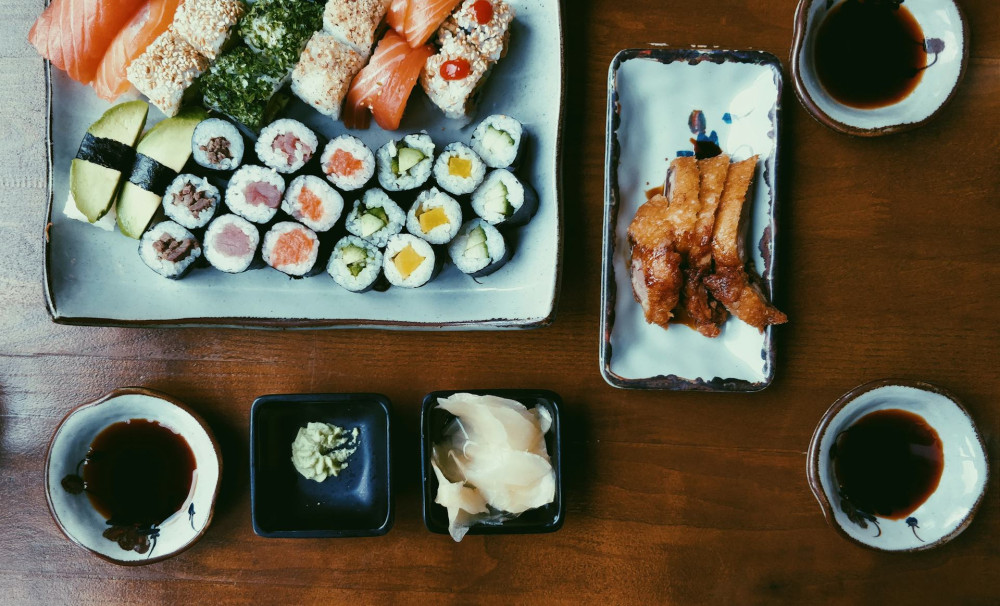
In Japan, cooking is both an art and a way to honor nature. The traditional Japanese diet, known as washoku, features small, varied dishes that highlight seasonal ingredients. Rice, fish, vegetables, seaweed, and fermented foods like miso and soy sauce form the foundation.
Portions are modest, and people often follow the principle of hara hachi bu—eating until they’re about 80% full. This mindful moderation contributes to Japan’s high life expectancy.
What we can learn: Eat a variety of foods, focus on seasonal produce, and stop eating before you feel completely full. It’s good for both your body and the planet.
The Nordic Diet – Local Ingredients and Simplicity
In recent years, the Nordic diet has gained international attention for its simplicity and focus on local, sustainable ingredients. Whole grains like rye and oats, root vegetables, berries, fish, and cabbage are staples. The result is food that’s hearty, nutritious, and environmentally friendly.
The Nordic diet shares many similarities with the Mediterranean one but adapts to a colder climate. It’s rich in fiber, vitamins, and healthy fats—while also being climate-conscious.
What we can learn: Choose local ingredients when possible, eat with the seasons, and embrace simplicity in your cooking.
Indian Cuisine – Spices as Health Boosters
Indian food is famous for its vibrant flavors and colors, but behind the spices lies a wealth of health benefits. Turmeric, ginger, garlic, and cumin have anti-inflammatory properties, and many traditional Indian dishes are plant-based.
While some modern versions can be heavy on butter or cream, traditional Indian meals often center on lentils, beans, and vegetables. The combination of spices and plant proteins provides both nourishment and flavor.
What we can learn: Use spices as natural flavor enhancers and health boosters, and let vegetables and legumes take center stage more often.
Latin American Traditions – Color, Fiber, and Community
Across Latin America, meals are social occasions that bring families together. Traditional diets often revolve around corn, beans, rice, fruits, and vegetables—a combination that provides energy, fiber, and nutrients.
Although fast food has become more common, many communities still value home-cooked meals and shared dining. It’s a reminder that health isn’t just about nutrients—it’s also about connection and joy.
What we can learn: Make mealtime a social experience, and fill your plate with colorful vegetables and fiber-rich beans.
Læs også:

Common Threads: Health as a Way of Life
When we look at the world’s healthiest food traditions, a clear pattern emerges: they’re not about restriction or quick fixes, but about balance, variety, and respect for ingredients. Meals are part of a lifestyle that values mindfulness, community, and pleasure.
By learning from other cultures, we can build a healthier and more sustainable food culture here in the U.S.—one that nourishes not only our bodies but also our relationships and our planet.
Læs også: