Steady Energy All Day: How to Plan Your Meals Mindfully


Steady Energy All Day: How to Plan Your Meals Mindfully
Most of us know the feeling of hitting that mid-afternoon slump — your focus fades, your energy dips, and suddenly a cup of coffee or a sugary snack sounds irresistible. But with a little mindful meal planning, you can keep your blood sugar steady and your energy consistent throughout the day. It’s not about strict diets or counting every calorie; it’s about understanding how different foods fuel your body and making choices that support lasting energy.
Start Your Day with a Strong Foundation
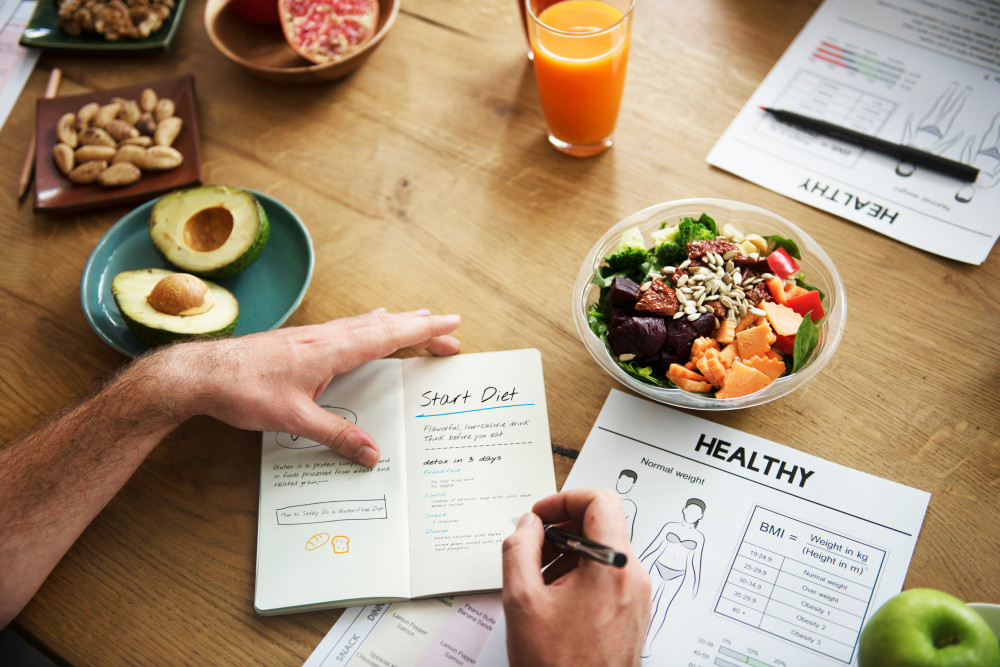
Breakfast sets the tone for the rest of your day. A balanced meal that includes complex carbohydrates, protein, and healthy fats helps you start strong and avoid energy crashes later on.
- Choose whole grains – oatmeal, whole-grain toast, or quinoa provide slow-releasing carbs that keep you fueled longer.
- Add protein – eggs, Greek yogurt, cottage cheese, or plant-based options like tofu or nut butter help you stay full.
- Don’t skip healthy fats – avocado, nuts, or chia seeds support brain function and satiety.
A simple example: a bowl of oatmeal topped with berries, almonds, and a spoonful of yogurt — nourishing, satisfying, and easy to prepare.
Læs også:




Lunch: Balanced, Not Heavy
Lunch should recharge you, not weigh you down. Many people experience an afternoon energy dip because their meal was too heavy or lacked fiber and protein.
- Combine vegetables, protein, and whole grains – think a grain bowl with grilled chicken, beans, or salmon, plus plenty of colorful veggies.
- Limit refined carbs like white bread or plain pasta — they can cause quick spikes and drops in blood sugar.
- Stay hydrated – dehydration can feel like fatigue, so keep a water bottle nearby.
Aim to feel comfortably full, not sluggish. A balanced lunch keeps your mind sharp and your energy steady through the afternoon.
Smart Snacks to Keep You Going
A well-chosen snack can make the difference between steady energy and a sudden crash. The key is to pick something that nourishes you, not just something that satisfies a craving.
- A handful of nuts and a piece of fruit.
- Veggie sticks with hummus.
- A small serving of Greek yogurt with a sprinkle of granola.
Plan your snacks ahead of time so you’re not tempted by vending machine options when hunger strikes.
Dinner: Refuel and Restore
Dinner is your chance to refuel and give your body what it needs to recover. The goal is balance — enough to satisfy, but not so much that it disrupts your sleep.
- Fill half your plate with vegetables – a mix of cooked and raw for variety.
- Reserve a quarter for protein – fish, lean meat, beans, or tofu.
- Use the last quarter for whole grains or starchy vegetables – brown rice, sweet potatoes, or whole-wheat pasta.
Try to eat at least a couple of hours before bedtime. A lighter, balanced dinner supports better rest and more energy the next day.
Planning Is the Secret Ingredient
Mindful eating doesn’t require perfection — just preparation. Spend a little time each weekend thinking through your meals for the week. Make a grocery list, prep some ingredients in advance, and keep healthy staples on hand. Cooked grains, chopped veggies, or pre-portioned snacks can make weekday meals much easier.
When nutritious options are ready to go, it’s easier to make good choices even on your busiest days.
Listen to Your Body, Not Just the Clock
While structure helps, it’s just as important to tune in to your body’s signals. Eat when you’re hungry, and stop when you’re satisfied. Your body is remarkably good at telling you what it needs — if you take the time to listen.
Mindful meal planning is ultimately about balance: between nourishment and enjoyment, structure and flexibility. When you find the rhythm that works for you, you’ll not only have steadier energy — you’ll feel more focused, calm, and in control throughout your day.
Læs også: